 Free shipping on orders over £29,85
  Shipping Tracking!


 Google
 Facebook
What is epoxy primer used for?
Learn where and why to apply epoxy primer for best results


Epoxy primer plays a vital role in a wide range of professional, DIY, and craft projects where demanding applications call for maximum bonding, protection, and durability. Whether you are preparing floors, restoring wood, or embarking on a creative resin venture, understanding what epoxy primer is used for helps ensure long-lasting, high-quality results.
This guide explores the main uses of epoxy primers, showcases trusted products such as the “Epoxyprimer” – Universal Water-Based Two-Component Epoxy Floor Primer and “EpoxyWood” – Wood Restoration Epoxy Resin for Deep Penetration and Waterproofing, and highlights why these solutions are popular among professionals and home users alike.
Understanding Epoxy Primer and Its Main Applications
An epoxy primer is a type of resin-based sealer formulated for surface preparation before applying epoxy coatings, paints, or more decorative layers. Its core purpose is to maximise bonding between substrates and epoxy resin coatings while offering extra protection against moisture, wear, and other environmental factors.
Key applications include:
- Prepping concrete, timber, tiles, or screeds for floor finishes
- Restoring and waterproofing wood, furniture, or marine surfaces
- Reinforcing metal and fibreglass
- Acting as a base for decorative resin finishes
Product Comparison: Epoxy Floor Primer vs Wood Restoration Epoxy
Epoxy primers differ depending on your substrate and desired outcome. If your project involves preparing indoor floors, especially concrete or tile, the “Epoxyprimer” – Universal Water-Based Two-Component Epoxy Floor Primer is designed to deliver superior adhesion, versatile compatibility, and eco-friendly & odourless application. Suitable for concrete, wood, tiles, and screeds, it ensures a stable, durable coating that lasts.
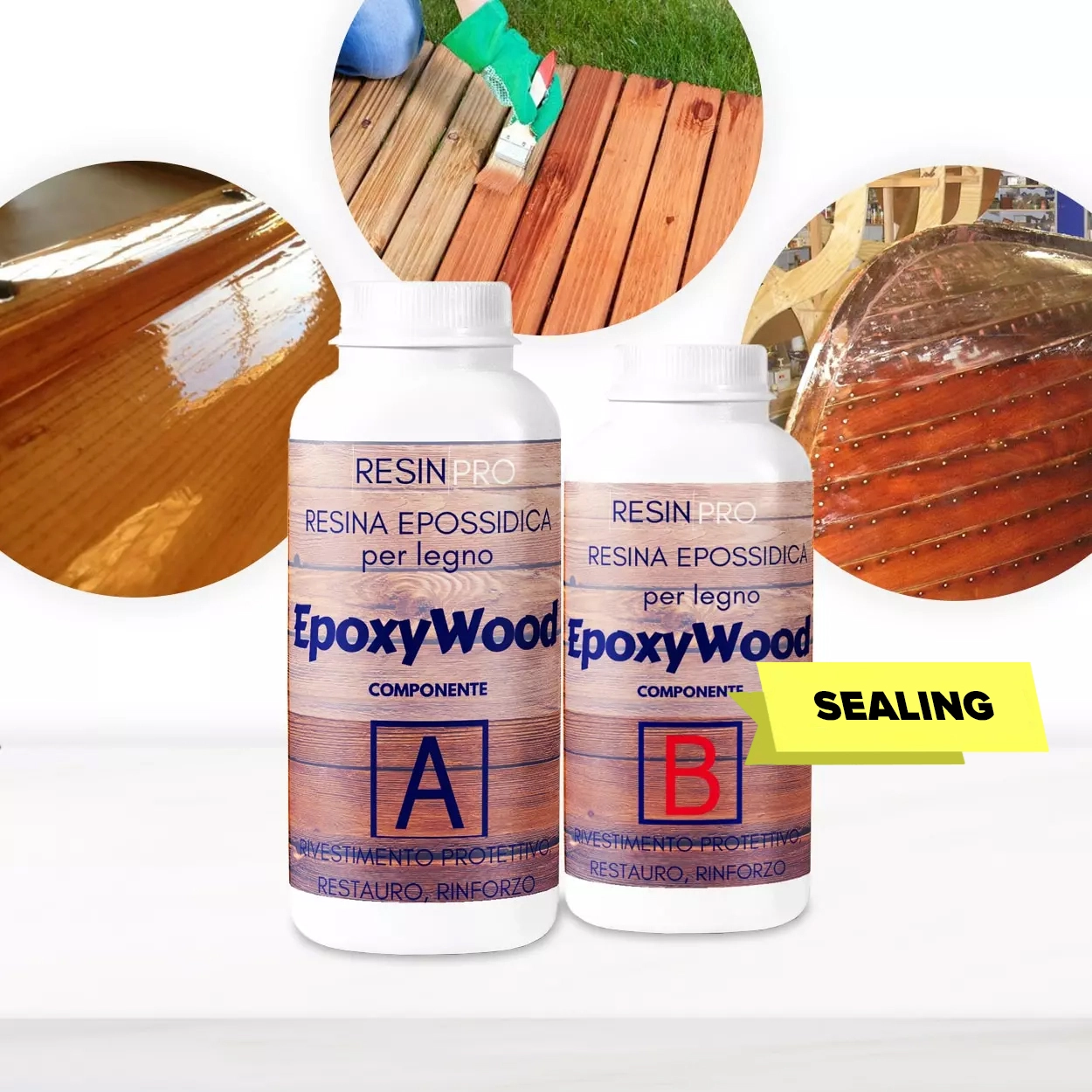
For those looking to restore wooden surfaces, “EpoxyWood” – Wood Restoration Epoxy Resin for Deep Penetration and Waterproofing offers waterproofing, reinforcement, and an aesthetic finish with a warm, natural tint. Its eco-conscious formulation makes it a favourite for marine, restoration, and artistic projects, including boat hulls and fine furniture.
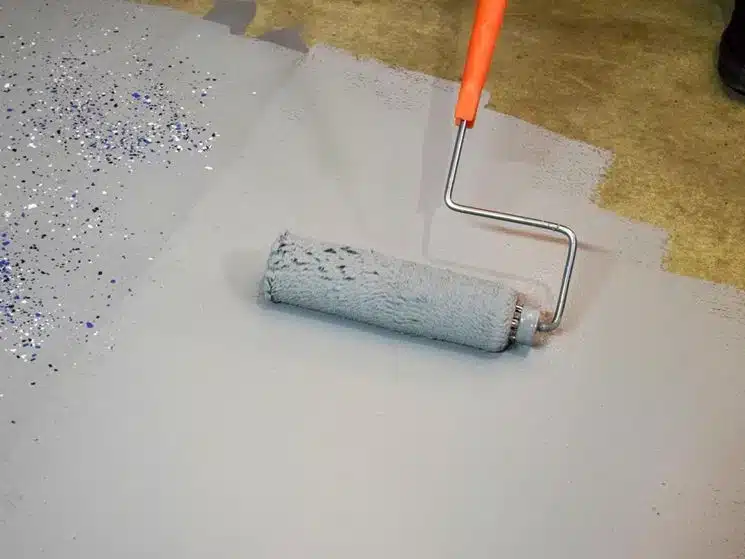
Visual Demonstration: Epoxy Primer in Action
See the transformation achieved with epoxy priming, highlighting clean adhesion on concrete floors and the natural finish preserved on timber surfaces. Learn how each primer delivers its unique benefits for seamless resin projects.
When to Use Epoxy Primer: Practical Scenarios
Applying an epoxy primer is recommended whenever a strong, long-lasting bond is needed between the substrate and the finishing resin or paint — especially on porous or absorbent materials.
- Concrete & Screed Floors: An essential step before laying resin or decorative coatings. The “Epoxyprimer” – Universal Water-Based Two-Component Epoxy Floor Primer is formulated for simple application via roller, brush, or spatula, supporting high-traffic and heavy-duty environments.
- Wooden Surfaces: Restoration, furniture repair, or preparing external woodwork benefits from “EpoxyWood” – Wood Restoration Epoxy Resin for Deep Penetration and Waterproofing, which deeply penetrates wood for enhanced water resistance and structure.
- Tile Preparation: Tiled spaces can be difficult to bond — an epoxy primer provides an ideal base for uniform, lasting results in wet rooms, kitchens, or hallways.
- Marine & Protective Projects: Epoxy primers like “EpoxyWood” defend against moisture ingress, making them excellent for protecting boat hulls, decks, or outdoor wooden features.
Always choose the right type of primer for your material and desired finish to achieve the best possible results and surface longevity.
Key Features to Look for in an Epoxy Primer
Epoxy primers are crafted with characteristics tailored to specific jobs. The following are important attributes to consider:
- Universal compatibility: Suitable for various substrates such as concrete, wood, tiles, or screeds.
- Water-based and odourless options allow safe use in enclosed or inhabited environments.
- Deep penetration for wood, preventing rot and ensuring waterproofing, as with EpoxyWood.
- Mixing ratio and cure time: Understand requirements like the 100:40 ratio of Epoxyprimer and 24–48 hours cure period.
- Eco-friendly choices: Solvent-free and vegan-friendly formulas available.
Expert Tips for Epoxy Primer Application
Proper application maximises performance. Roll or brush epoxy floor primers evenly, avoid pooling, and ensure ideal conditions for curing. For wood, always sand and dry the substrate for best penetration and a lasting finish.
Internal Links and Additional Category Guides
If you wish to explore more substrate-specific solutions, browse our selection of pebble floors or see our Multipurpose Epoxy Resins range. Each category offers tailored products perfect for flooring, artistic, and repair projects of all sizes.
- "Epoxyprimer" – Universal Water-Based Two-Component Epoxy Floor PrimerPrice range: £148.84 through £272.45Epoxyprimer is a water-based two-component epoxy floor primer designed for reliable adhesion on concrete, tiles, screed, and timber surfaces.
- "EpoxyWood" – Wood Restoration Epoxy Resin for Deep Penetration and WaterproofingOriginal price was: £64.00.£39.85Current price is: £39.85."EpoxyWood" is designed for repair and waterproofing of wood, suitable for reinforcing and restoring wooden surfaces with a natural finish.
Frequently Asked Questions
What surfaces is epoxy primer suitable for?
Modern epoxy primers are commonly used on concrete, tiles, screeds, and timber, depending on the formulation. Always check the product's usage notes before application.
How long should I wait for epoxy primer to cure before resin application?
Cure time varies by formulation. For instance, "Epoxyprimer" requires 24 to 48 hours at room temperature. Full curing ensures optimal adhesion and performance of subsequent layers.
Is epoxy primer safe for indoor use?
Yes, many epoxy primers, such as water-based and odourless options, are formulated for indoor applications and are free from harmful fumes.
Can I use epoxy primer outdoors?
Epoxy primers that offer waterproofing and deep penetration, such as "EpoxyWood", are ideal for outdoor restoration of wood and marine structures. Ensure the surface is dry and clean before application.
Do I need to sand or prepare the surface before applying primer?
Surface preparation is crucial. Remove dust, debris, and ensure dryness for best bonding. Sanding improves adhesion especially on timber or aged surfaces.
What is the difference between an epoxy floor primer and wood restoration epoxy?
Epoxyprimer is ideal for establishing a solid, adhesive-rich base layer on a range of flooring materials, while EpoxyWood is specialised for repairing and waterproofing wood, fibreglass, or metal.
Are eco-friendly epoxy primers available?
Yes, solutions like "EpoxyWood" use solvent-free, vegan-friendly bases to minimise environmental impacts and promote safe use.