 Free shipping on orders over £29,85
  Shipping Tracking!


 Google
 Facebook
← Back to What surfaces does resin not stick to?
Choosing the right substrate is a vital first step for any resin project. Getting this decision right ensures the resin bonds correctly, resulting in a durable and professional finish.
Assessing Your Surface: Key Points
Start by checking the manufacturer guidance for both your resin and substrate. Some resins work best with certain materials, such as concrete, metal, or plastics. Next, inspect the surface for porosity and texture; resin typically bonds better to slightly absorbent and roughened areas. Smooth, non-porous, or oily surfaces may present adhesion issues. Always remove grease, dust, or residues using a suitable cleaner like the Strong Technical Degreaser for Resin Projects before starting.
Doing a Patch Test
If you are unsure about compatibility, carry out a small test on an inconspicuous area. Mix a little resin and apply it, then let it cure fully. Examine for signs of proper bonding—look for areas where the resin lifts or peels, which may indicate an unsuitable substrate.
Best Practices for Surface Preparation
- Ensure the substrate is completely clean and dry before application.
- Roughen smooth surfaces with sanding for improved adhesion.
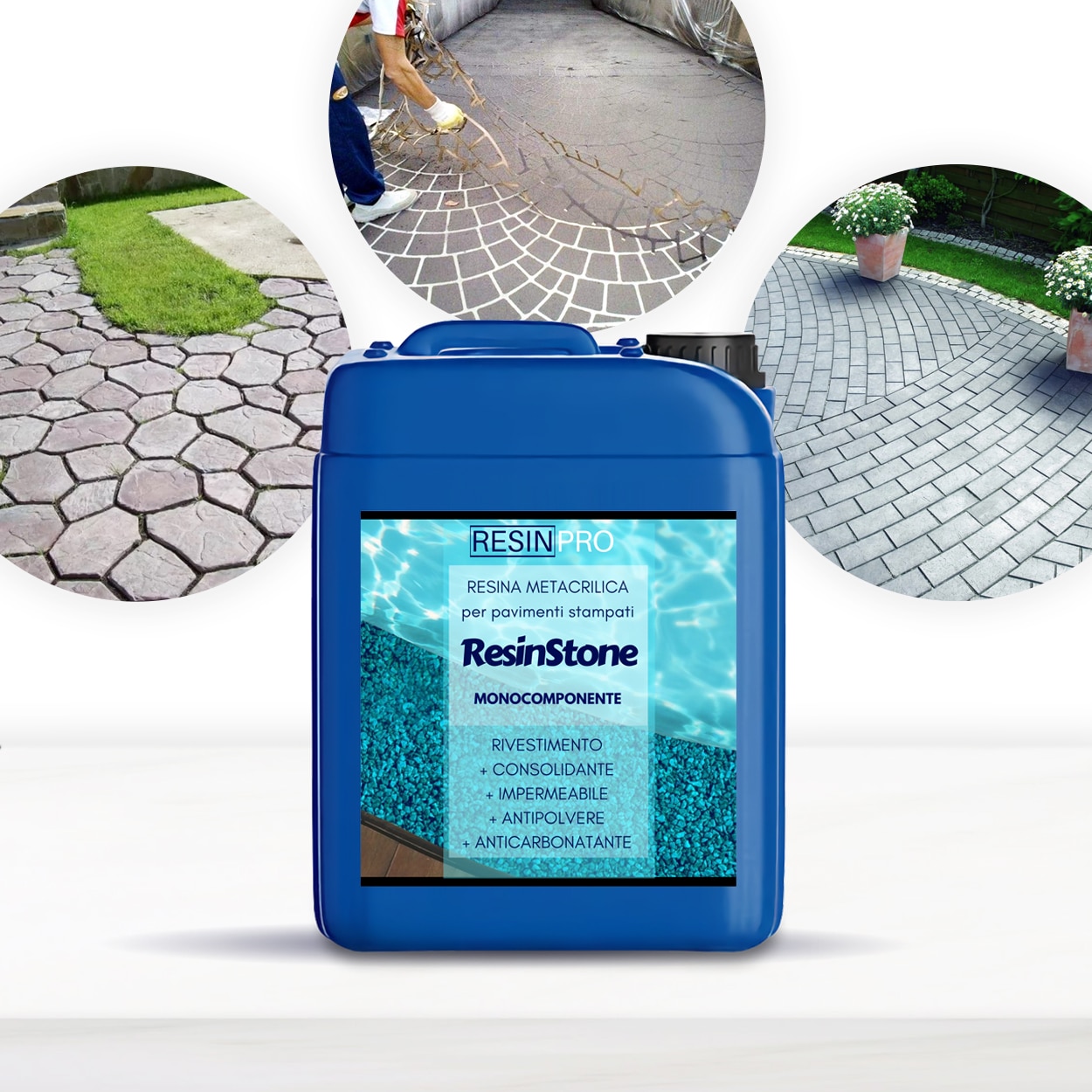
- For absorbent bases like concrete, consider a specialist product such as Resinstone designed for deep penetration and lasting results.
When This Matters Most
Careful surface selection is especially important for high-traffic areas, outdoor installations, or where long-term durability is essential. Picking the right combination of substrate and resin will help avoid future failures or maintenance problems.
Related products
Related guides
Understanding your surface’s suitability for resin not only leads to better outcomes but also helps prevent costly mistakes. For further details about compatible surfaces, see our main guide on what surfaces resin does not stick to.