 Free shipping on orders over £29,85
  Shipping Tracking!


 Google
 Facebook
What surfaces does resin not stick to?
Understand resin adhesion and select the right products for your project

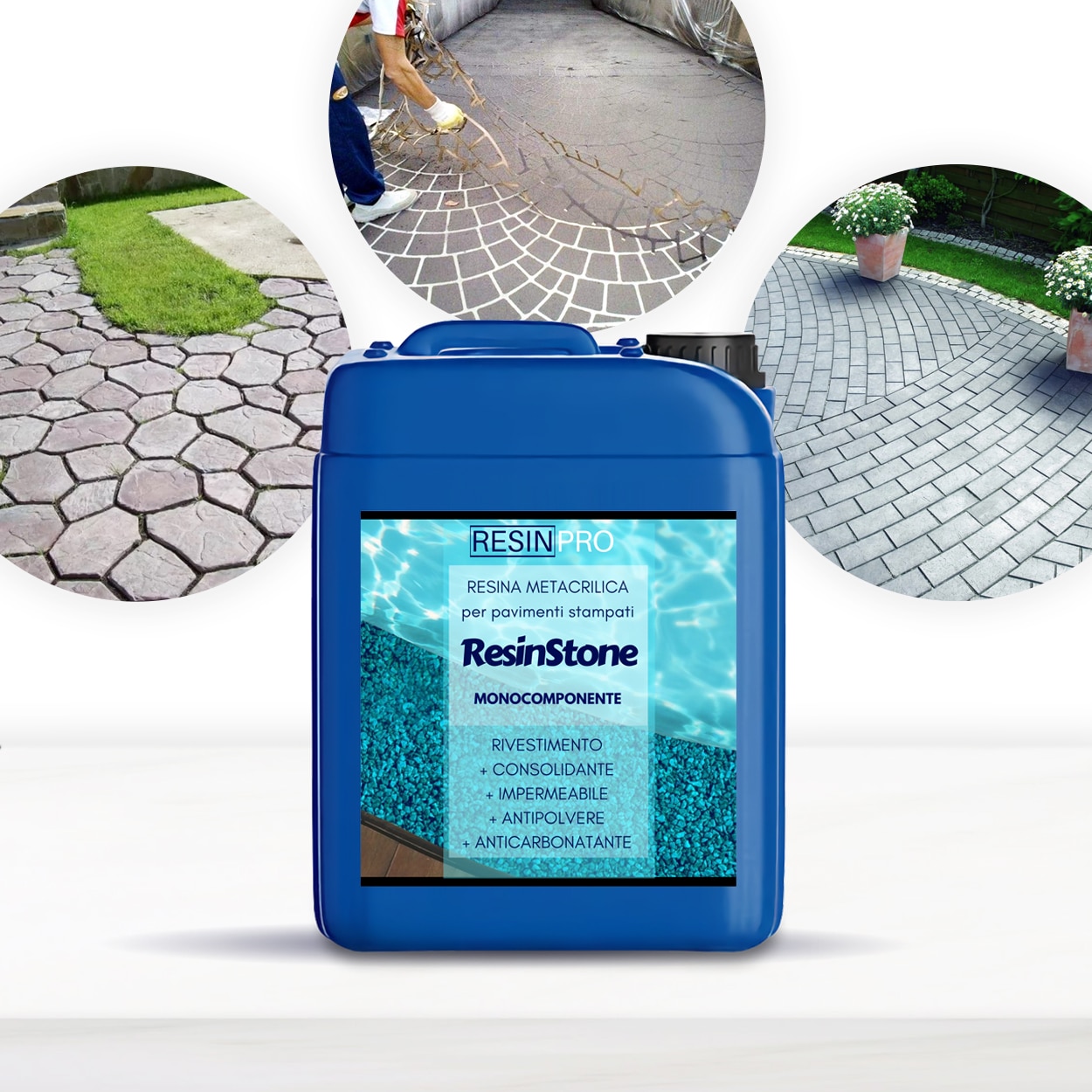
When working with resin, knowing which surfaces ensure strong adhesion and which ones resist sticking is essential for achieving professional, lasting results. Whether you are creating art, crafting custom floors, or sealing 3D prints, understanding which materials resin bonds with helps avoid peeling, delamination, and wasted effort. This guide explains the science of resin adhesion, highlights the most common surfaces resin won’t adhere to, and introduces specialist products—such as Strong Technical Degreaser for Resin Projects – 100% Natural Formula, “Resinstone” – One-Component Methacrylic Resin for Concrete Floors and Driveways, “Trasparente” – Epoxy Binder for Coloured Pebbles and Grits, “Flowstone” – Complete Permeable Floor Kit with Pebbles and Resin, “3D Finish” – Fast Coating Epoxy Resin for 3D Prints, and “Be Flex” – Transparent Polyurethane Doming Resin – Scratch-Resistant—to help you make the right choices for your next project.
Understanding Resin Adhesion: Why Doesn’t Resin Stick to Some Surfaces?
Resin, whether epoxy or polyurethane, forms durable bonds with many surfaces—but not all. Adhesion depends on surface energy, texture, porosity, and cleanliness. Common surfaces that resist resin include silicone, polyethylene (PE), polypropylene (PP), waxed substrates, and oily or extremely smooth plastics. In contrast, porous or slightly roughened materials like concrete, certain plastics (PLA/ABS), and pebbles provide strong mechanical bonds.
Proper surface preparation is crucial. Grease, dust, and silicone residues impede adhesion. Using a specialised cleaner such as the Strong Technical Degreaser for Resin Projects – 100% Natural Formula ensures bonding areas are free from contaminants without harming delicate components. This 100% Natural degreaser is safe, gentle, multi-surface compatible, and perfect for prepping metals, ceramics, and more.
Summary of surfaces resin does not stick to:
- Silicone and silicone-treated surfaces
- Polyethylene, polypropylene, PTFE (Teflon) and some smooth plastics
- Wax, oily, or unprepared greasy substrates
- Loose, dusty, or non-absorbent surfaces (certain gravels, waxed woods, some tiles)
Product Comparison: Surfaces and Compatibility Across Key ResinPro Products
Different resin systems excel on specific substrates. Here’s how they compare based on intended surfaces and applications:
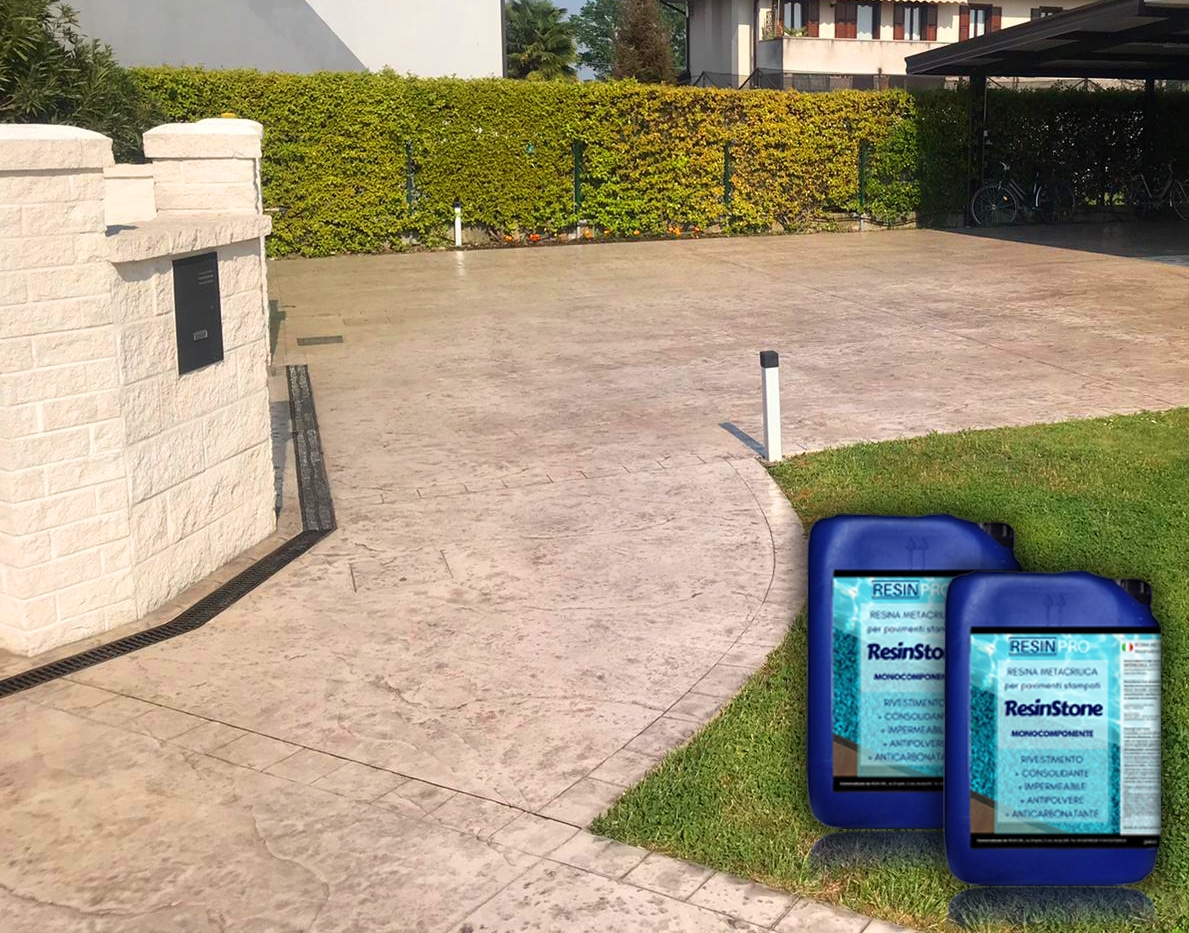
- “Resinstone” – One-Component Methacrylic Resin for Concrete Floors and Driveways is tailored for absorbent concrete, ensuring one-component methacrylic resin penetration and robust, waterproof protection. It’s not intended for loose gravel or non-absorbent bases where adhesion fails.
- “Trasparente” – Epoxy Binder for Coloured Pebbles and Grits delivers a perfectly clear, UV resistant, bubble-free bond with treated stone or aggregate. It’s unsuitable for surfaces like existing loose gravel dumped outdoors, oily stones, or direct application over non-porous plastic sheets.
- “Flowstone” – Complete Permeable Floor Kit with Pebbles and Resin includes all you need for draining, decorative pebble surfaces. It avoids surfaces that impede drainage or trap moisture, such as waterproof membranes or closed-cell foams.
- “3D Finish” – Fast Coating Epoxy Resin for 3D Prints is formulated for plastics like PLA, ABS, and LAYWOOD. Surfaces incompatible with its chemistry, such as silicone-based 3D prints or certain untreated flexible plastics, are unsuitable.
- “Be Flex” – Transparent Polyurethane Doming Resin – Scratch-Resistant is ideal for stickers, labels, and badges, including curved materials. However, it may not adhere to substrates that repel polyurethanes, such as untreated slippery plastics or dusty, dirty surfaces.
For spotlessly clean preparation of any bonding surface, always consider the Strong Technical Degreaser for Resin Projects – 100% Natural Formula to ensure no oily residue remains before application.

See how resin interacts with various surfaces
Discover real project examples in the gallery to observe differences between porous, absorbent, and non-stick substrates. Notice how epoxy or polyurethane bonds on clean, prepared surfaces such as concrete, washed pebbles, and 3D printed plastics—while failing to adhere to oily, waxy, or silicone-treated bases.
Choosing and Preparing the Right Surface for Resin Projects
Effective resin application starts with selecting and preparing the correct substrate. Products like “Resinstone” – One-Component Methacrylic Resin for Concrete Floors and Driveways require dry, clean, absorbent bases for full penetration. Sealing porous concrete provides a tough, weatherproof finish, but using this resin directly on non-absorbent tiles or loosely compacted gravel will cause lack of adhesion. Always test a small area before full-scale use.
Epoxy binders such as “Trasparente” – Epoxy Binder for Coloured Pebbles and Grits work best when mixed with washed, dust-free, and dry aggregates. Pouring resin straight onto unwashed or dirty gravel prevents the resin from adhering properly, causing crumbling or loose sections. For walkways, patios, or driveways, ensure the base is stable, grease-free, and not water-repellent.
For outdoor renewal, “Flowstone” – Complete Permeable Floor Kit with Pebbles and Resin offers a system designed to avoid puddling by allowing rainwater to pass through. However, installing this kit on impervious liners or damp, saturated ground can interfere with drainage and adhesion.
For 3D prints, products such as “3D Finish” – Fast Coating Epoxy Resin for 3D Prints are perfect for PLA and ABS. For best results, sand, clean, and dry your part thoroughly, and avoid use on silicone or certain untreated flexible materials where resin won’t cure or bond reliably.
When creating domed effects on badges or stickers, “Be Flex” – Transparent Polyurethane Doming Resin – Scratch-Resistant is specially formulated for clean paper, plastic, or resin-coated labels. Dirty, oily, or waxy backings will hinder proper doming and should be avoided.
Resin Surface Compatibility in Practice
If you need a resin solution but are unsure if it will bond to your chosen surface, start by referencing each product’s “best for” and “not for” suggestions in the ResinPro catalogue. The right product ensures lasting results—incorrect pairings lead to wasted material and effort.
Consider these practical examples:
- Sealing and protecting porous concrete: Choose “Resinstone” – One-Component Methacrylic Resin. Not for non-absorbent or loose surfaces.
- Creating decorative pebble floors: Mix pebbles and clear resin from the “Trasparente” – Epoxy Binder for Coloured Pebbles and Grits, or use the ready-to-go “Flowstone” – Complete Permeable Floor Kit. Never pour resin directly onto existing loose stone, as adhesion will be poor.
- 3D print finishing: “3D Finish” Epoxy Resin sticks well to certain plastics—avoid silicone-based prints or oily surfaces.
- Domed, flexible labelling: “Be Flex” Polyurethane Doming Resin is perfect for clean paper, PVC, or metal, but not for waxed or untreated slippery plastics.
For additional guidance on compatibility and professional techniques, consult the Pebble Floors category or our Multipurpose Epoxy Resins resource hub online.
Application techniques for reliable adhesion
For the best results, always clean and dry your surface before resin application. Mixing and laying resin with the correct substrate—whether for floors, art, or signage—ensures a flawless, durable bond. Explore our shop’s project kits and guides for tailored application advice.
Shop Preparation and Project Kits for Any Surface
No matter your project, preparing surfaces carefully is crucial. The Strong Technical Degreaser for Resin Projects – 100% Natural Formula is safe for cleaning metals, ceramics, fabrics, and plastics, supporting adhesion while protecting user health.
For full-system solutions, select the “Trasparente” – Epoxy Binder for Coloured Pebbles and Grits for custom pebble floors, or the “Flowstone” – Complete Permeable Floor Kit with included resin guidance for colour and durability. If you specialise in digital fabrication or signage, use “3D Finish” – Fast Coating Epoxy Resin for 3D Prints on compatible 3D media, and “Be Flex” – Transparent Polyurethane Doming Resin for scratch-resistant, flexible badge coatings.
- Strong Technical Degreaser for Resin Projects – 100% Natural FormulaOriginal price was: £10.00.£8.85Current price is: £8.85.The Strong Technical Degreaser is a natural cleaner suitable for various surfaces relevant to resin projects.
- "Resinstone" – One-Component Methacrylic Resin for Concrete Floors and DrivewaysPrice range: £29.85 through £59.85"Resinstone" is a one-component methacrylic resin designed for sealing and protecting concrete floors and driveways. Suitable for versatile concrete…
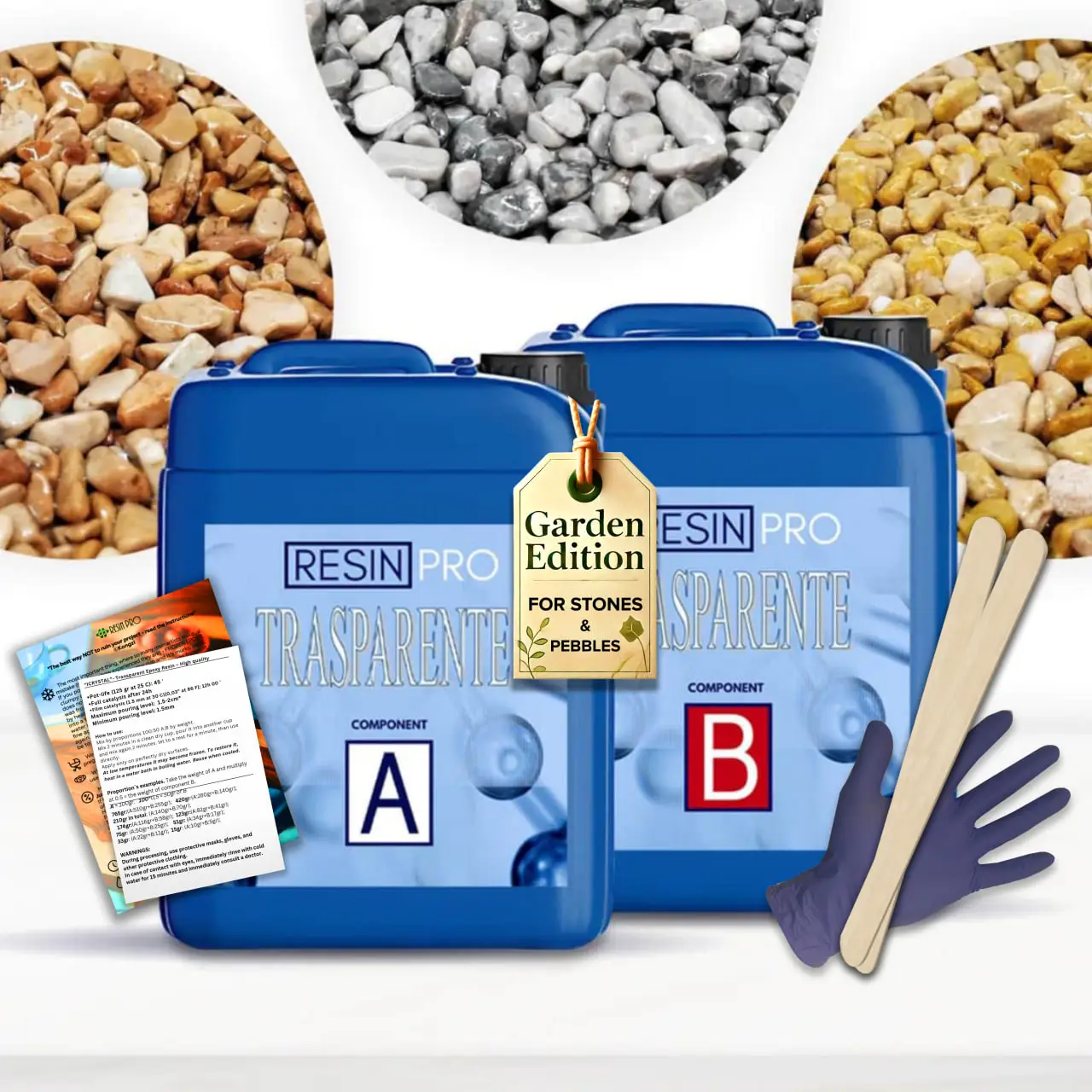 "Trasparente" – Epoxy Binder for Coloured Pebbles and GritsPrice range: £31.85 through £948.85Transparent epoxy binder designed for coloured pebbles and grits with clear, UV-stable finish suitable for decorative flooring.
 "Flowstone" – Complete Permeable Floor Kit with Pebbles and ResinPrice range: £42.85 through £3,389.85Flowstone provides a durable, permeable pebble and resin flooring kit offering draining surfaces with detailed resin guidance for outdoor UK use.
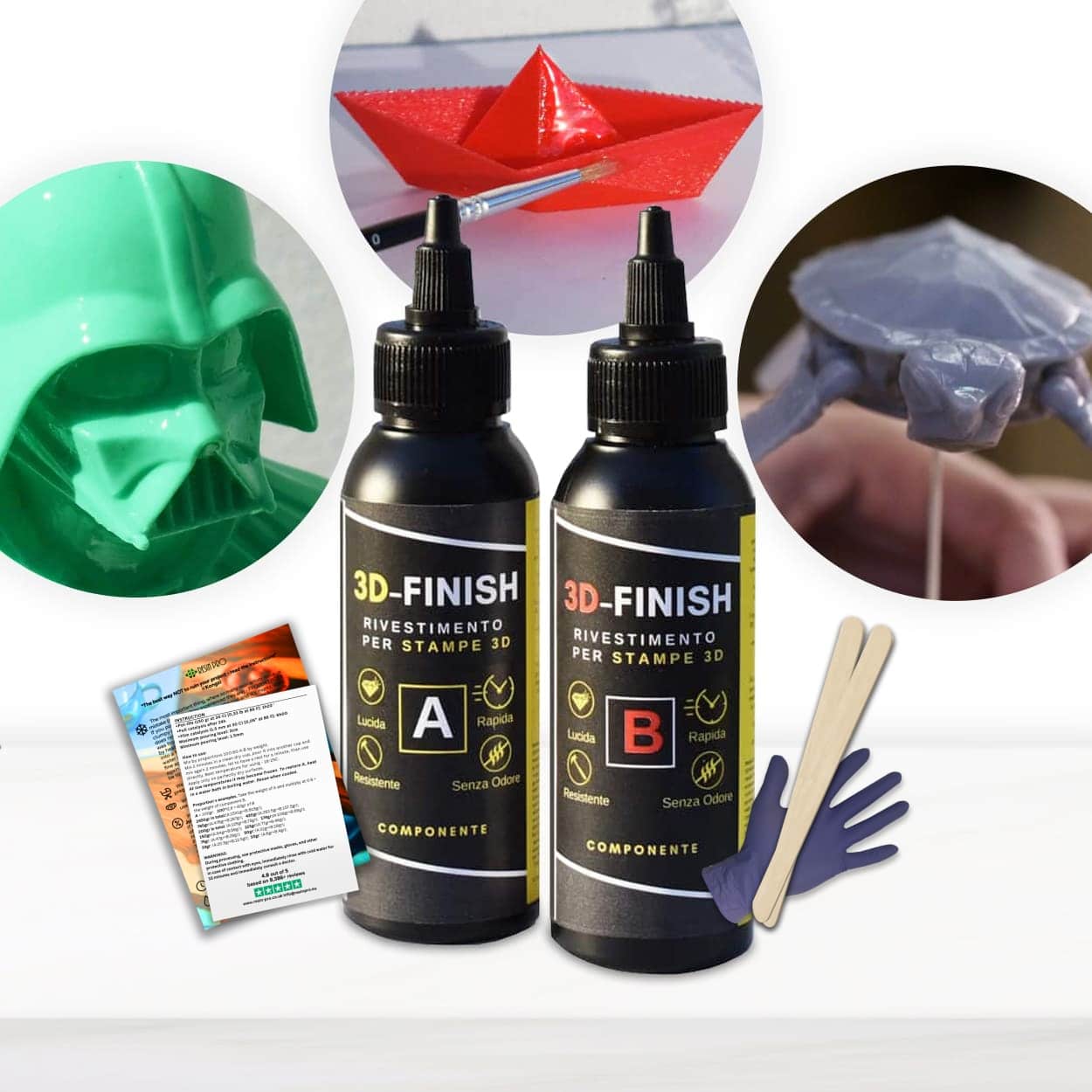 "3D Finish" – Fast Coating Epoxy Resin for 3D PrintsPrice range: £12.85 through £18.85"3D Finish" offers a non-drip, fast-curing epoxy coating designed for 3D prints to enhance visual quality and mechanical strength.
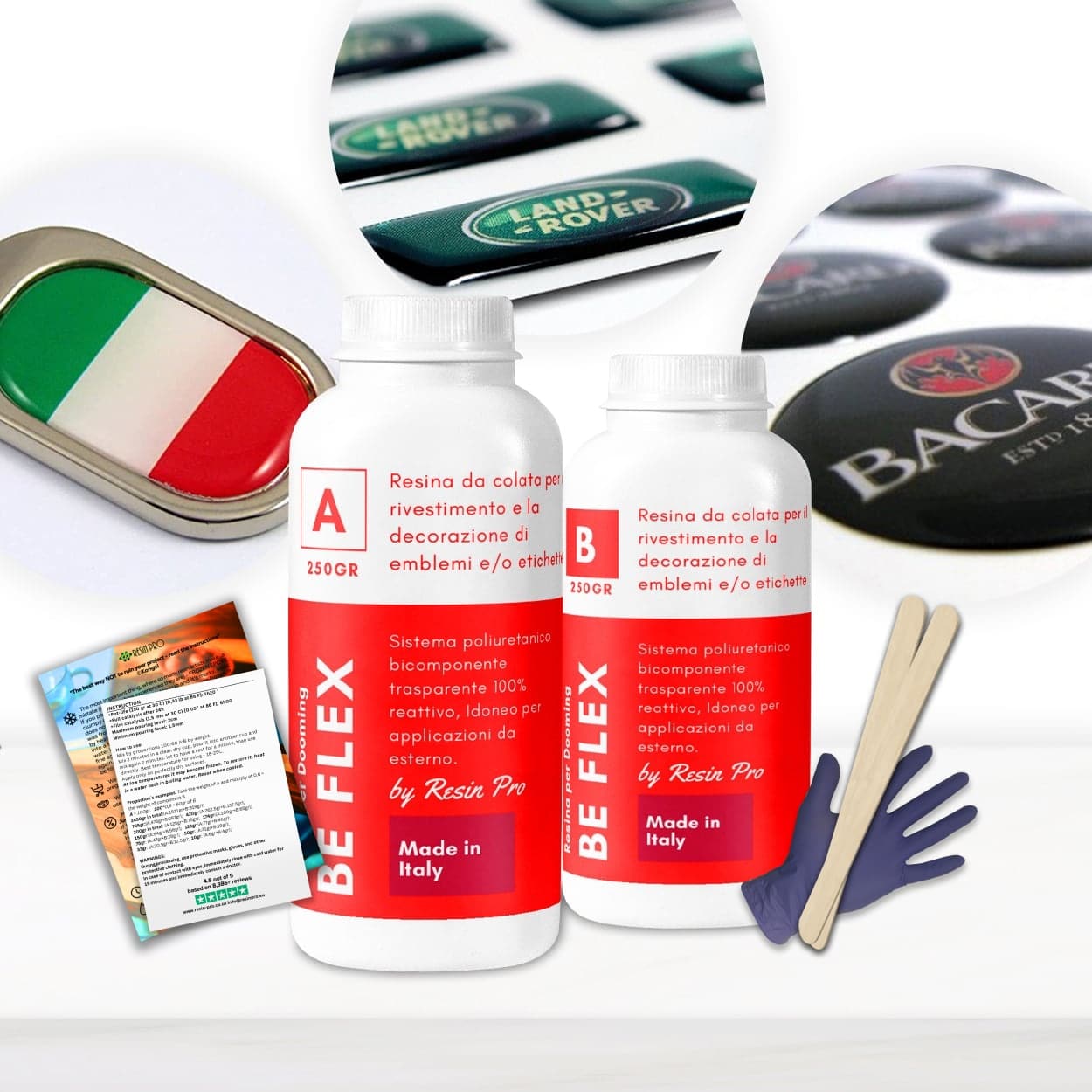 "Be Flex" – Transparent Polyurethane Doming Resin – Scratch-ResistantPrice range: £21.85 through £77.85Be Flex is a transparent, flexible polyurethane resin designed for stickers and labels with a self-healing, scratch-resistant finish suitable for…
Frequently Asked Questions
Which surfaces should never be used as a base for resin?
Common non-stick surfaces include silicone, polypropylene, polyethylene, Teflon, oily, wax-coated, or very smooth untreated plastics. Always choose absorbent, well-prepared, and clean bases where possible to ensure good adhesion. If you are unsure about a surface, test with a small sample.
How do I prepare a surface for optimal resin adhesion?
Begin by removing all traces of oil, grease, and silicone using a dedicated cleaner like the Strong Technical Degreaser for Resin Projects – 100% Natural Formula. Next, make sure the surface is dry, dust-free, and slightly roughened if possible—especially important for plastics and metals.
Can resin bind to metals, ceramics, or glass?
Yes, provided the surface has been properly cleaned and abraded. Products such as the Strong Technical Degreaser help ensure no residue is present. On ultra-smooth, glossy substrates, light sanding is helpful to enhance adhesion.
Can I use "Resinstone" or "Trasparente" binder directly on loose or unwashed gravel?
No, direct application onto dirty, loose, or absorbent-deficient gravel is not advised. For strong, lasting pebble floors, wash and dry all stones and thoroughly mix them with the chosen resin, as provided in the "Trasparente" – Epoxy Binder or "Flowstone" – Complete Permeable Floor Kit instructions.
How can I protect labels, stickers, or 3D prints with flexible resin coatings?
Use "Be Flex" – Transparent Polyurethane Doming Resin for domed, durable, and waterproof coatings, or "3D Finish" – Fast Coating Epoxy Resin for rapid, detail-preserving finishing on compatible plastics.
How do I identify whether a particular substrate is suitable for resin application?
Check manufacturer recommendations and consider surface porosity, smoothness, and the presence of any residue. If in doubt, perform a small trial with your chosen product. Reference best practices from our Multipurpose Epoxy Resins or Pebble Floors category resources.
Is there a cleaning product recommended before starting my resin application?
Yes, the Strong Technical Degreaser for Resin Projects – 100% Natural Formula is designed specifically to remove wax, grease, marker, adhesives, and other residues from metals, ceramics, and a wide range of surfaces without damage.