 Free shipping on orders over £29,85
  Shipping Tracking!


 Google
 Facebook
How do you apply resin on tiles?
Step-by-step guide for a flawless resin coating over tiles

Transforming your old or plain tiles with a glossy, durable resin layer is a modern way to revitalise your interior floors, walls, or decorative surfaces. Applying resin on tiles not only protects them but also creates a seamless, stylish appearance that’s easy to clean and maintain. This guide explains each step—so whether you’re a DIY enthusiast or new to resin, you’ll achieve professional-looking results on any tiled surface.
What You’ll Need
- “Epoxyprimer” – Universal Water-Based Two-Component Epoxy Floor Primer (for optimal adhesion on tiles)
- “Trasparente” – Multipurpose Clear Epoxy Resin for Casting – Up to 2cm or “Icrystal” – Clear Epoxy Resin – Odourless Formula – Up to 1.5cm for main resin layer
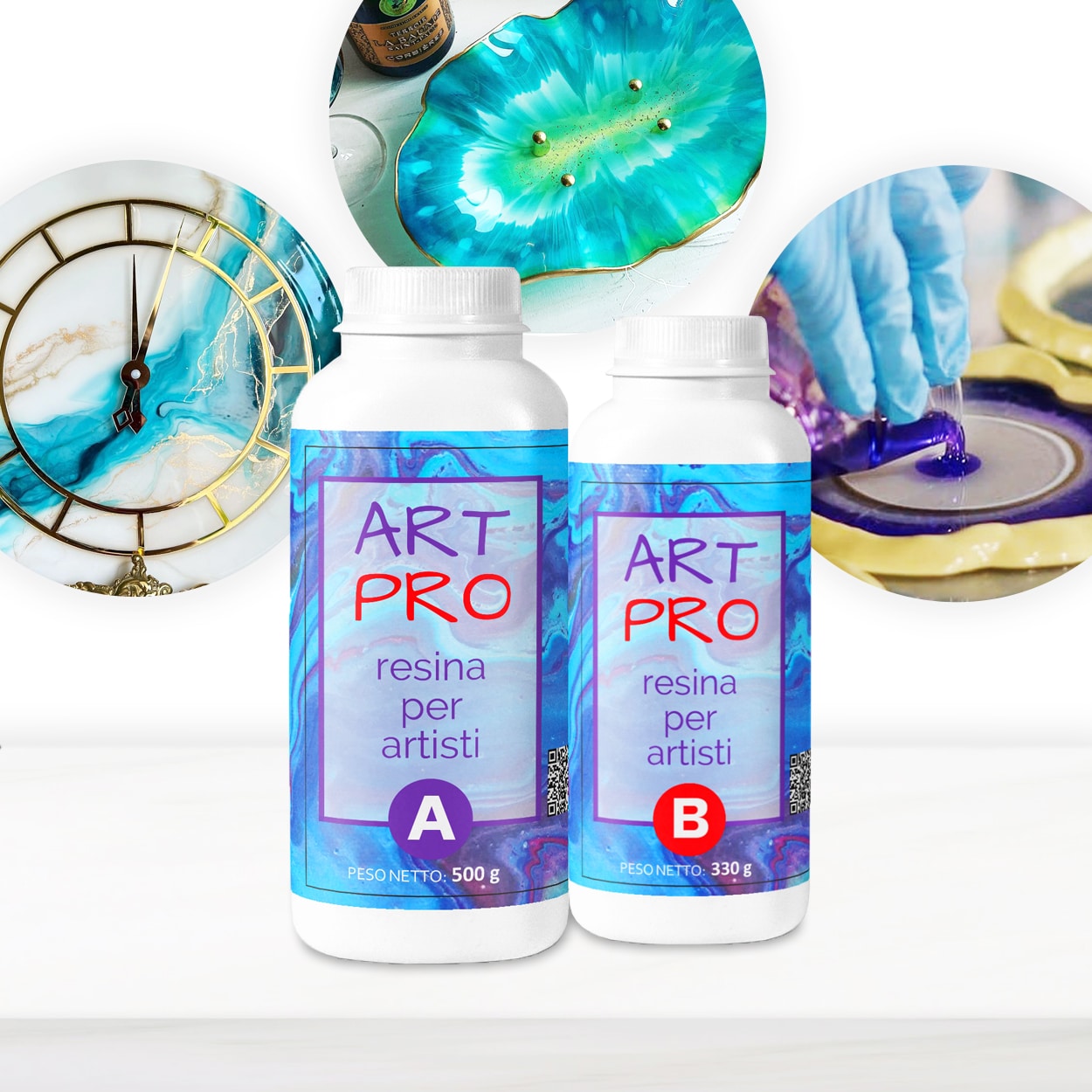
- Optional for artistic or decorative top coats: “Art Pro” – Clear Epoxy Resin for Artists and Surface Coating
- Protective gloves and mixing sticks (often included with resin kits)
- High-quality rollers or brushes for primer and resin application
- Spirit level (for self-levelling checks)
- Masking tape and plastic sheeting to protect surrounding areas

See the Transformation: Resin on Tiles in Action
Discover how a proper resin application can completely rejuvenate any tiled space. Browse through stunning before-and-after examples and detailed project galleries to inspire your own tile makeover. From bathrooms to entryways, the results speak for themselves with high-gloss, seamless finishes and exceptional durability.
Step 1: Prepare and Clean the Tiles
Begin by giving your tiled surface a thorough clean to remove dust, grease, and soap residues as these can hinder adhesion. Use a suitable tile cleaner and ensure the surface is completely dry. It’s also a good idea to lightly sand glossy tiles to create a subtle texture, ensuring the Superior adhesion of the resin system.
Step 2: Apply an Epoxy Primer
Applying a dedicated primer is crucial for ensuring your resin coating bonds securely to the tiles. Choose “Epoxyprimer” – Universal Water-Based Two-Component Epoxy Floor Primer for its Eco-friendly & odourless nature and excellent Versatile compatibility with ceramics and other surfaces. Mix thoroughly according to the manufacturer’s ratio (100:40), then roll or brush it evenly across the tiles. Allow 24–48 hours curing time for best results.
Step 3: Mix and Pour the Epoxy Resin
After the primer has cured, select an appropriate clear epoxy resin for your design: Trasparente for casts or coatings up to 2cm thick, or Icrystal for up to 1.5cm. Both offer an Ultra-clear formula, are Odourless, and provide High scratch resistance. Follow the recommended mixing ratio and stir gently to prevent bubbles. Pour resin in a controlled manner over the prepped tiles, using a spreader or spatula to assist in even distribution.
Step 4: Spread and Level the Resin
Use a notched trowel, roller, or brush to spread the resin. The self-levelling properties of Trasparente and Icrystal help achieve a flat, smooth layer across the tiles. Work swiftly to avoid trapped bubbles, and pop any that appear using a heat gun or torch—while keeping the flame moving to prevent scorching.
Step 5: Cure and Enjoy Your New Surface
Allow the resin to cure undisturbed for the period specified on your chosen product—typically between 12–48 hours for a tack-free surface, and longer for full strength. For a decorative or artistic effect, finish with a coat of Art Pro resin to provide a Durable, scratch-resistant surface and Exceptional clarity.
Tips, Common Mistakes, & Troubleshooting
Simple application comes with good prep: always mix products according to instructions and apply in optimal room temperature (18–25°C). Prevent issues by masking off nearby areas and ventilating the workspace. Don’t rush curing; insufficient drying can cause soft spots or dullness. If bubbles persist, repeat the heat treatment gently. For high-traffic areas, consider a second coat for extra durability.
Project Inspiration and Surface Ideas
Ready to start your next project? Resin on tiles works brilliantly for kitchen splashbacks, coffee tables, mosaics, and high-traffic floors. Mix colour pigments or metallic powders into your resin for a unique, customised look and long-lasting protection no matter where it’s applied.

- "Epoxyprimer" – Universal Water-Based Two-Component Epoxy Floor PrimerPrice range: £148.84 through £272.45"Epoxyprimer" is a water-based two-component epoxy floor primer designed for reliable adhesion on tiles and other stable surfaces.
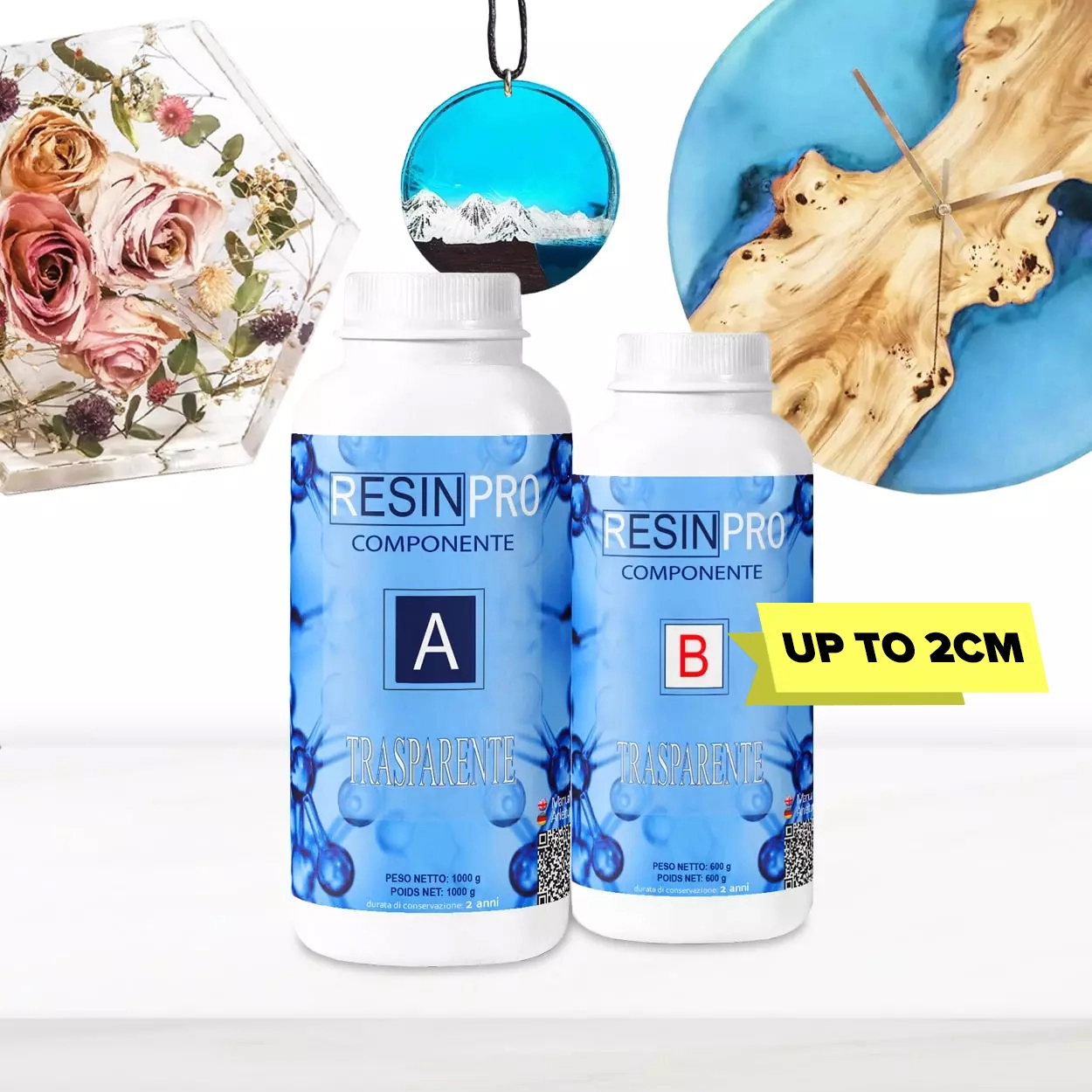 "Trasparente" – Multipurpose Clear Epoxy Resin for Casting – Up to 2cmPrice range: £8.45 through £948.85This clear multipurpose casting epoxy resin suits projects up to 2cm depth with an ultra-clear, self-levelling finish related to how to apply resin…
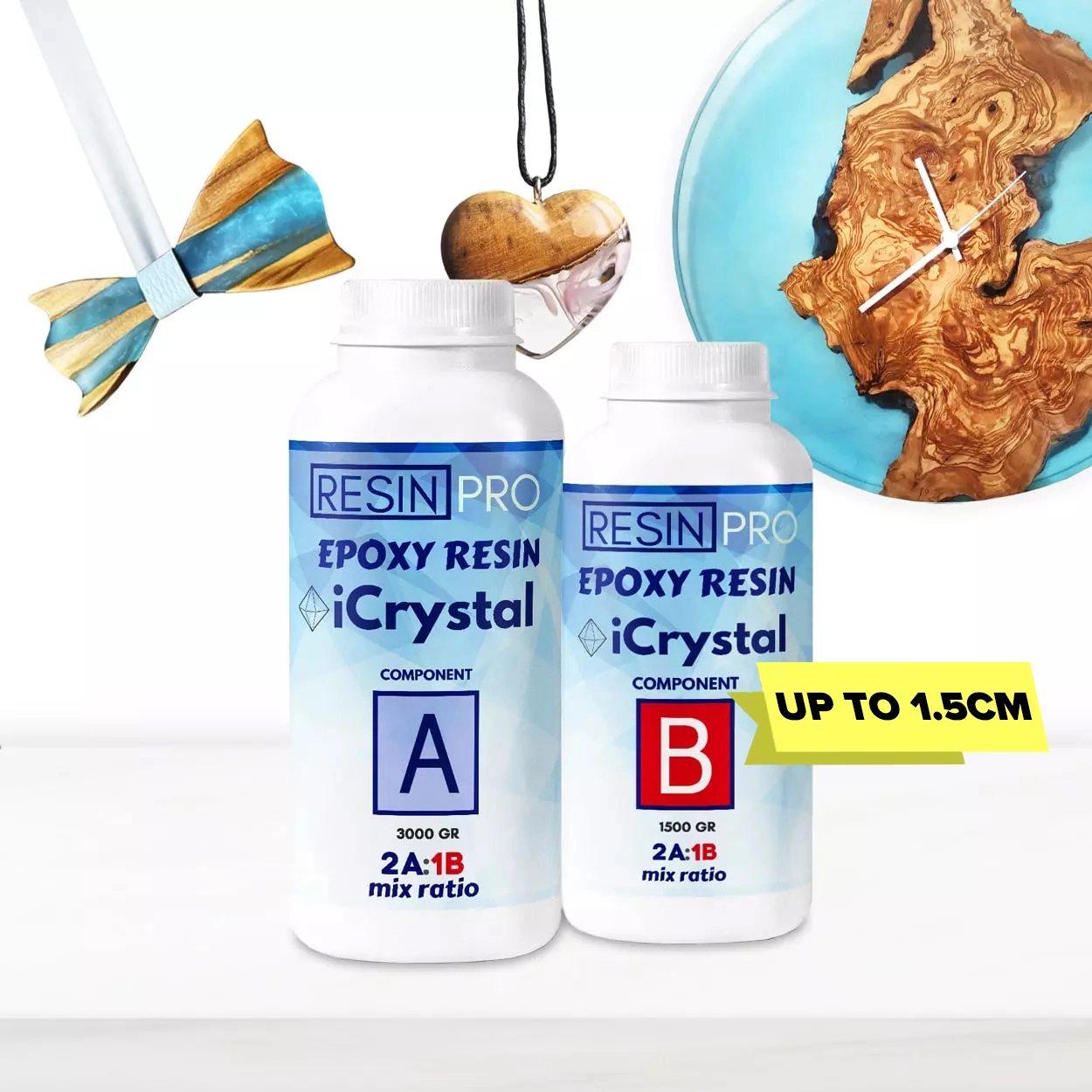 "Icrystal" – Clear Epoxy Resin – Odourless Formula – Up to 1.5cmPrice range: £11.65 through £954.85"Icrystal" Clear Epoxy Resin is a transparent, odourless product designed for scratch-resistant coatings in crafts and surfaces.
- "Art Pro" – Clear Epoxy Resin for Artists and Surface CoatingPrice range: £31.15 through £388.85Art Pro is a clear epoxy resin designed for artists and crafters, offering durable, high-gloss finishes with UV protection.
Frequently Asked Questions
Can I apply epoxy resin directly onto tiles?
It is strongly recommended to use a dedicated epoxy primer, such as Epoxyprimer, first. This promotes proper adhesion and prevents delamination over time.
How thick can I apply resin on top of tiles?
Your maximum pour depth will depend on the selected resin. "Trasparente" supports up to 2cm in a single pour, while "Icrystal" is suitable for up to 1.5cm layers. For decorative top coats, "Art Pro" works best at 1–10 mm.
What is the best way to keep bubbles out of the resin?
Prevention starts with slow mixing and pouring. If bubbles appear, use a heat gun or torch—keep it moving for safety. Pouring in thin layers also reduces bubble entrapment.
How should I prepare glossy or glazed tiles?
Lightly sand the surface to remove the sheen and improve primer adhesion. Ensure the tiles are clean and fully dry before applying the primer.
Can I use these resins indoors?
Yes. All recommended products are either low-odour or odourless and formulated for safe indoor use, provided there is adequate ventilation. Gloves are advised during application.
What is the curing time before the resin surface can be used?
Surfaces are typically touch-dry within 12–24 hours, with full mechanical strength developing over 48–72 hours. Avoid heavy use until fully cured for maximum durability.
Is repainting or recoating possible in the future?
Yes; for best adhesion, lightly sand the surface and clean it before applying a fresh resin layer.
Which resin should I choose for an artistic topcoat?
Art Pro is designed for smooth, creative finishes and UV stability, making it ideal for decorative applications.