 Free shipping on orders over £29,85
  Shipping Tracking!


 Google
 Facebook
← Back to Who produces two-component resin in China?
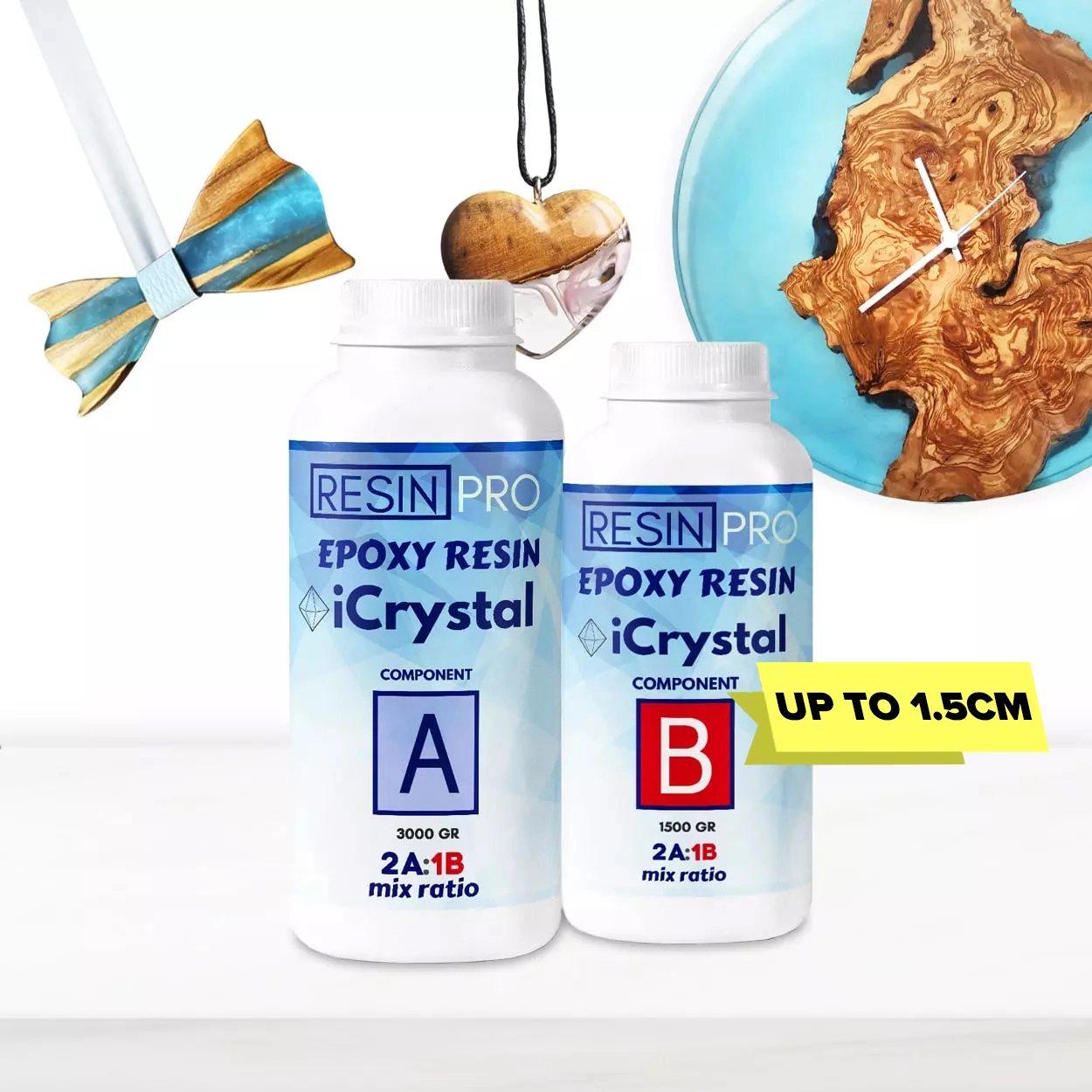
Epoxy resins are popular for casting due to their clarity and strength, but pouring thick layers comes with specific challenges. Understanding how to achieve thick castings with epoxy helps ensure safe, successful results.
Maximum Pour Depths and Safe Working Limits
Most clear epoxy resins, such as Icrystal, are designed for pouring layers up to 1.5cm thick at a time. Pouring beyond the recommended depth in a single layer can lead to problems like excess heat, bubbles, or incomplete curing. For deep or large projects, always check the product’s guidelines for its maximum safe thickness per pour.
Best Practices for Thick Castings
- Layering: For thicker castings, build up gradually by allowing each 1.5cm layer to set before adding the next. This approach helps manage exothermic heat and reduces bubble formation.
- Workspace: Keep your workspace at a stable, moderate temperature and on a level surface for even curing and consistent results.
- Mixing: Mix the resin and hardener thoroughly according to the manufacturer’s ratio (such as 2:1 for Icrystal) to avoid soft spots or incomplete cures.
When Pour Depth Matters
Poured thickness is especially important for projects like river tables, large jewellery pieces, and embedded objects. Choosing a resin suited for controlled layering ensures clarity and a durable finish—key for professional-looking results in these applications.
Related products
Related guides
By understanding and respecting your chosen resin’s maximum pour depth, you’ll achieve reliable results with thick castings. For further information on two-component resin producers and products, see our main guide on who produces two-component resin in China.