 Free shipping on orders over £29,85
  Shipping Tracking!


 Google
 Facebook
Who produces two-component resin in China?
Choose the right two-part resin for casting, crafts, or composites

Are you searching for reliable two-component resins produced in or compatible with China-based manufacturing? Whether you’re involved in rapid prototyping, composite production, handcrafts, or clear casting, the right two-part resin is essential for achieving professional results. This page compares four standout choices across polyurethane and epoxy chemistries to help buyers, suppliers, and makers source the ideal resin system for their needs.
Two-Component Resin Comparison: Polyurethane and Epoxy
Two-component resins, widely used in the Chinese manufacturing sector, typically consist of separate resin and hardener components. Options include fast-curing polyurethanes for moulding and prototyping, as well as versatile epoxies for carbon fibre coating, jewellery, or clear tabletops. The primary differences lie in curing speed, mixing ratios, clarity, and the final mechanical properties. Below you’ll find a comparison of leading examples supplied for the global market, each catering to different use cases and workflow preferences.

Understanding Polyurethane and Epoxy Differences
Polyurethane resins are renowned for their rapid cure and precise detail, making them popular in prototyping. Epoxy resins offer versatility, clarity, and robust adhesion for composites, jewellery, and coatings — ideal for users requiring professional, long-lasting results in a variety of applications.
IWhite – Polyurethane Casting Resin – White, Fast-Curing Two-Part System
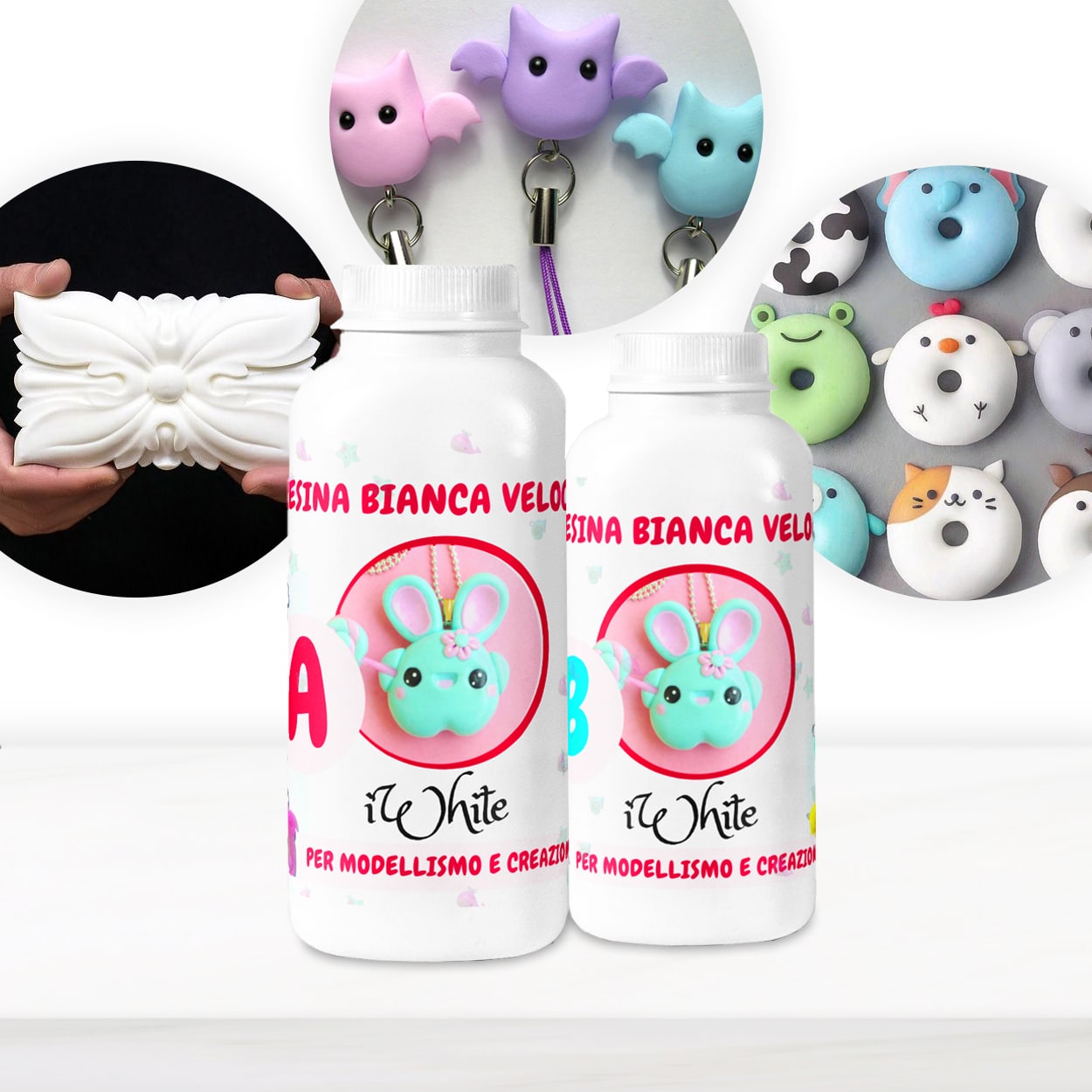
IWhite is a highly fluid, fast-curing A+B polyurethane resin ideal for both professional and hobbyist applications. This resin, suitable for rapid moulding and prototyping projects, allows for precise detail reproduction in under 30 minutes. It is an excellent choice for model makers looking for speed without sacrificing finish quality.
- Fast-setting for efficient prototyping and model creation
- Colourable and paintable in liquid or cured state
- Captures fine details for accurate casting results
- Durable finish after full cure
Best for: Model makers, crafters, and professionals seeking a rapid, detailed casting solution with a white finish.
Carbon Resin – Epoxy Resin for Carbon Fibre & Fibreglass Coating
For those working with technical fabrics or composites, Carbon Resin provides a robust two-part epoxy resin designed for flawless fabric impregnation and high structural integrity. It cures at room temperature, offers a glossy professional finish, and resists impacts—making it suitable for automotive, marine, and advanced DIY composite projects.
- High impact resistance for long-lasting results
- Easy application with smooth fabric impregnation
- Glossy, professional finish
- Room temperature curing for convenient use
Best for: Composite fabricators, technical users, and anyone seeking a reliable epoxy for carbon fibre or fibreglass processes.
One-2-One – Epoxy Resin for Handcraft, 1:1 Mixing Ratio
If ease of use and safety are your top priorities, the One-2-One resin features a straightforward 1:1 by volume mixing ratio and a non-toxic formula. Designed specifically for crafters and jewellery makers, it delivers a clear, glossy finish with UV resistance, making it an exceptional choice for decorative and wearable art projects.
- Non-toxic formulation for safe crafting
- Crystal clear, super-glossy finish with high transparency
- UV filter providing excellent resistance to yellowing with a 10-year warranty
- Durable against scratches and moisture, ideal for long-lasting creations
Best for: Beginners, crafters, and artisans focusing on jewellery and decorative objects.
Icrystal – Clear Epoxy Resin – Odourless Formula – Up to 1.5cm
The Icrystal resin is a transparent, odourless, VOC-free epoxy system perfect for wood coatings, jewellery, and DIY crafts. With a 2:1 mixing ratio and the ability to pour layers up to 1.5cm thick, it’s uniquely suited for clear tabletops and surface finishes demanding durable, scratch-resistant, glossy results.
- Perfect transparency — A true liquid crystal
- High scratch resistance — Ideal for tables!
- Odourless
- 1,5сm layer per application
Best for: Woodworking, surface finishing, and any application needing a durable, clear, odour-free resin layer.
Where and How to Use Two-Component Resins Effectively
When selecting a two-component resin for use with Chinese manufacturing or supply chains, it’s important to evaluate the end application: fast polyurethanes like IWhite excel in rapid prototyping and casting, while epoxies such as Icrystal or One-2-One are better for crafts, jewellery, and protective coatings. For composites, Carbon Resin remains unmatched due to its bubble-reducing formulation and impact resistance. Always review the manufacturer’s details for compatibility with your local production environment and intended process.
Selecting for Your Workflow and Market
Consider project requirements first: Rapid-cure polyurethane may be unbeatable for modelling, while epoxies suit crafts, coatings, and composite builds. Curate your supply selection based on mixing ratio, cure time, and finish to match your end-use and supply chain needs.
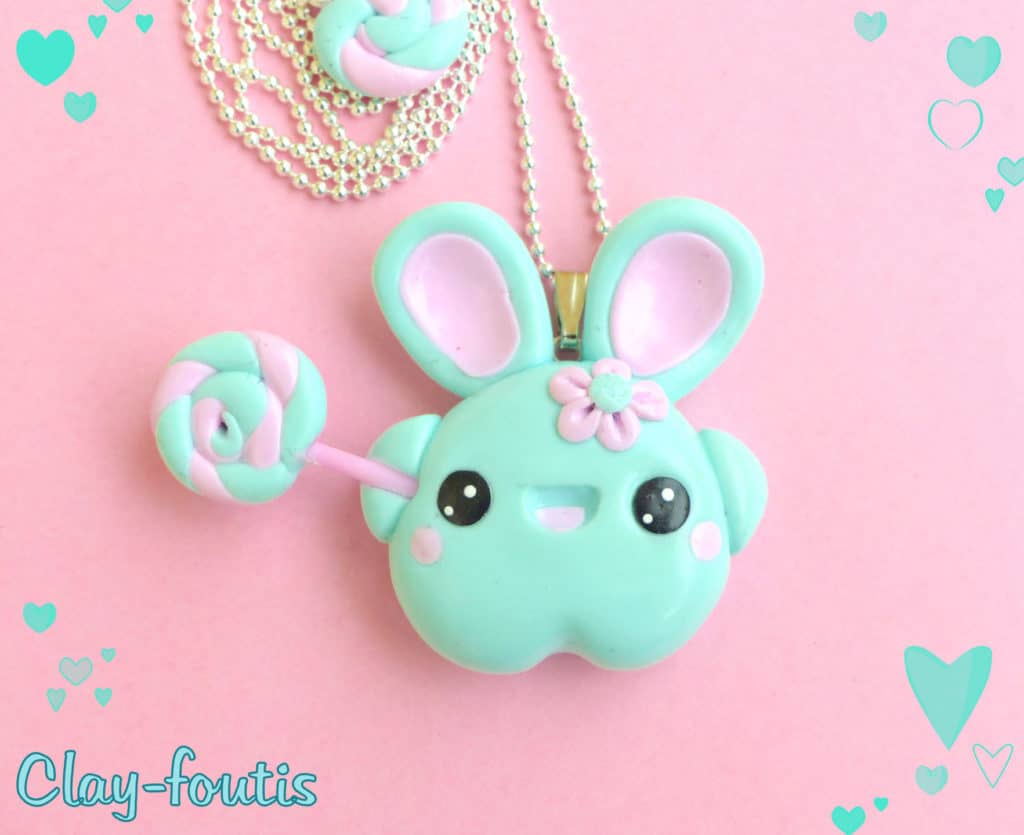
- “IWhite” – Polyurethane Casting Resin – White, Fast-Curing Two-Part SystemPrice range: £22.85 through £34.85IWHITE White Polyurethane Casting Resin is suitable for fast, detailed casting in modelling and prototyping projects.
- "Carbon Resin" – Epoxy Resin for Carbon Fiber & Fiberglass CoatingPrice range: £18.85 through £35.85Epoxy resin formulated for composites and technical fabrics, designed for structural integrity with a durable, glossy finish.
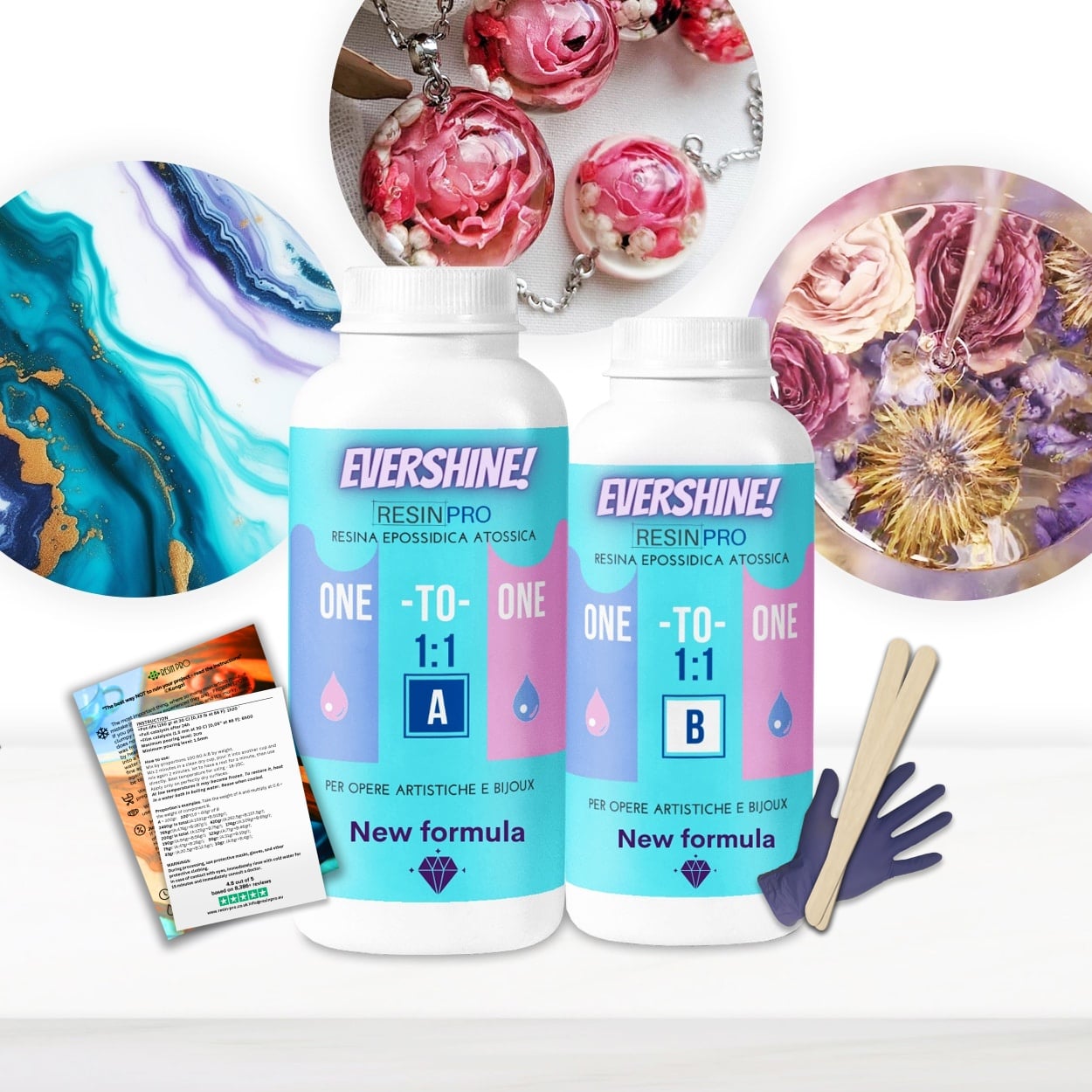 "One-2-One" – Epoxy Resin for Handcraft, 1:1 Mixing RatioPrice range: £14.85 through £56.85"One-2-One" epoxy resin offers a medium viscosity and clear, glossy finish suitable for handcraft projects and jewellery making.
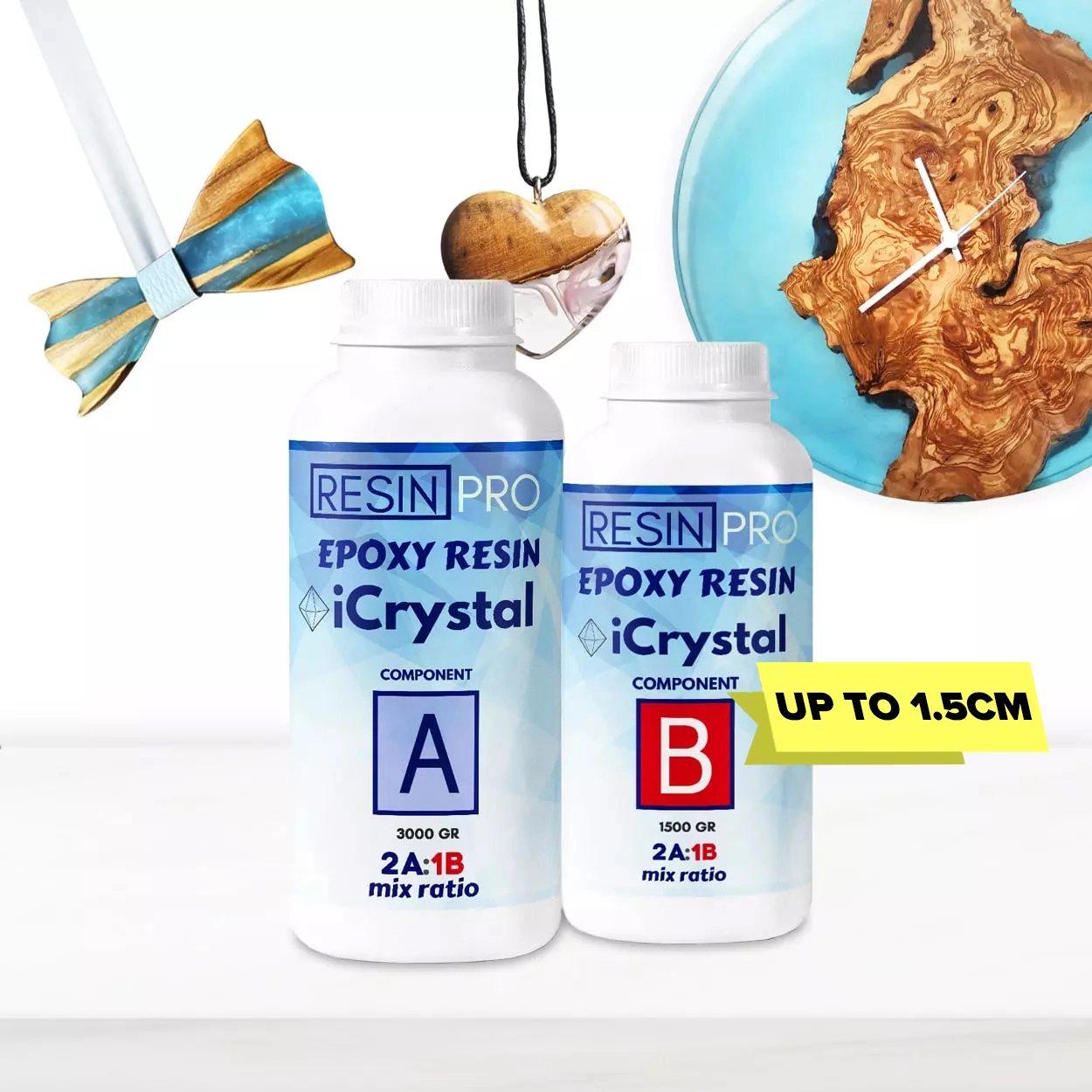 "Icrystal" – Clear Epoxy Resin – Odourless Formula – Up to 1.5cmPrice range: £11.65 through £954.85"Icrystal" is a transparent epoxy resin suitable for clear, odourless coatings with a layer thickness up to 1.5cm.
Frequently Asked Questions about Two-Component Resins in China
What type of resin is suitable for fast prototyping?
Polyurethane two-part systems, such as IWhite, cure quickly and capture fine details, making them highly suitable for rapid prototyping and model casting.
Are all two-component resins mixed by weight or volume?
This varies. While many epoxies use weight-based ratios, One-2-One mixes 1:1 by volume for intuitive use. Always follow the recommended ratio for best results.
Can epoxy resins be used for thick castings?
Some clear epoxies, like Icrystal, allow pours of up to 1.5cm in a single layer. For thicker castings, use multiple layers and check maximum depths per application.
How do I choose between polyurethane and epoxy for a project?
Polyurethane resins are generally better for speed and detailed moulding. Epoxies are preferred for clarity, chemical resistance, and versatility in composites and coatings.
What safety precautions should I consider when handling two-component resins?
Proper PPE is crucial: wear gloves, eye, and respiratory protection, especially when working with isocyanate-based polyurethanes. Work in a ventilated area and follow all manufacturer instructions.
Do these resins yellow over time?
High-quality epoxy systems with UV filters, such as those in One-2-One and Icrystal, offer excellent resistance to yellowing. Polyurethane types may also be colour-stable if properly formulated.
Can these resins be coloured or painted?
Yes, most two-component polyurethane and epoxy resins can be tinted in their liquid form or painted once fully cured, permitting creative applications.
What distinguishes Carbon Resin for composites?
Carbon Resin is specifically formulated for carbon fibre and fibreglass, enabling excellent fabric impregnation with minimal bubbles and high impact resistance.
Frequently Asked Questions
What type of resin is suitable for fast prototyping?
Polyurethane two-part systems, such as IWhite, cure quickly and capture fine details, making them highly suitable for rapid prototyping and model casting.
Are all two-component resins mixed by weight or volume?
This varies. While many epoxies use weight-based ratios, One-2-One mixes 1:1 by volume for intuitive use. Always follow the recommended ratio for best results.
Can epoxy resins be used for thick castings?
Some clear epoxies, like Icrystal, allow pours of up to 1.5cm in a single layer. For thicker castings, use multiple layers and check maximum depths per application.
How do I choose between polyurethane and epoxy for a project?
Polyurethane resins are generally better for speed and detailed moulding. Epoxies are preferred for clarity, chemical resistance, and versatility in composites and coatings.
What safety precautions should I consider when handling two-component resins?
Proper PPE is crucial: wear gloves, eye, and respiratory protection, especially when working with isocyanate-based polyurethanes. Work in a ventilated area and follow all manufacturer instructions.
Do these resins yellow over time?
High-quality epoxy systems with UV filters, such as those in One-2-One and Icrystal, offer excellent resistance to yellowing. Polyurethane types may also be colour-stable if properly formulated.
Can these resins be coloured or painted?
Yes, most two-component polyurethane and epoxy resins can be tinted in their liquid form or painted once fully cured, permitting creative applications.
What distinguishes Carbon Resin for composites?
Carbon Resin is specifically formulated for carbon fibre and fibreglass, enabling excellent fabric impregnation with minimal bubbles and high impact resistance.