 Free shipping on orders over £29,85
  Shipping Tracking!


 Google
 Facebook
How do you apply resin to a floor?
Step-by-step guide for durable, seamless floors indoors and outdoors.

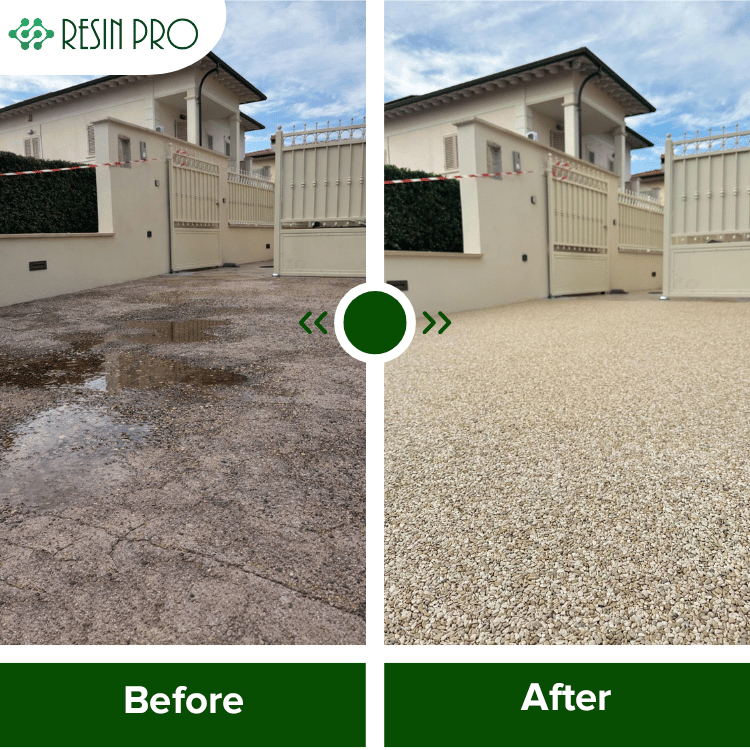
Applying resin to a floor is one of the most effective ways to achieve a seamless, durable, and attractive finish for both indoor and outdoor spaces. Whether you want to renew a concrete garage, create a permeable pebble pathway, or seal a driveway, mastering the right technique is crucial for long-lasting, professional results. This guide breaks down everything you need to know to ensure a successful resin floor application, from preparation to the finishing touches.
What You’ll Need
- “Epoxyprimer” – Universal Water-Based Two-Component Epoxy Floor Primer: For priming and preparing a variety of substrates.
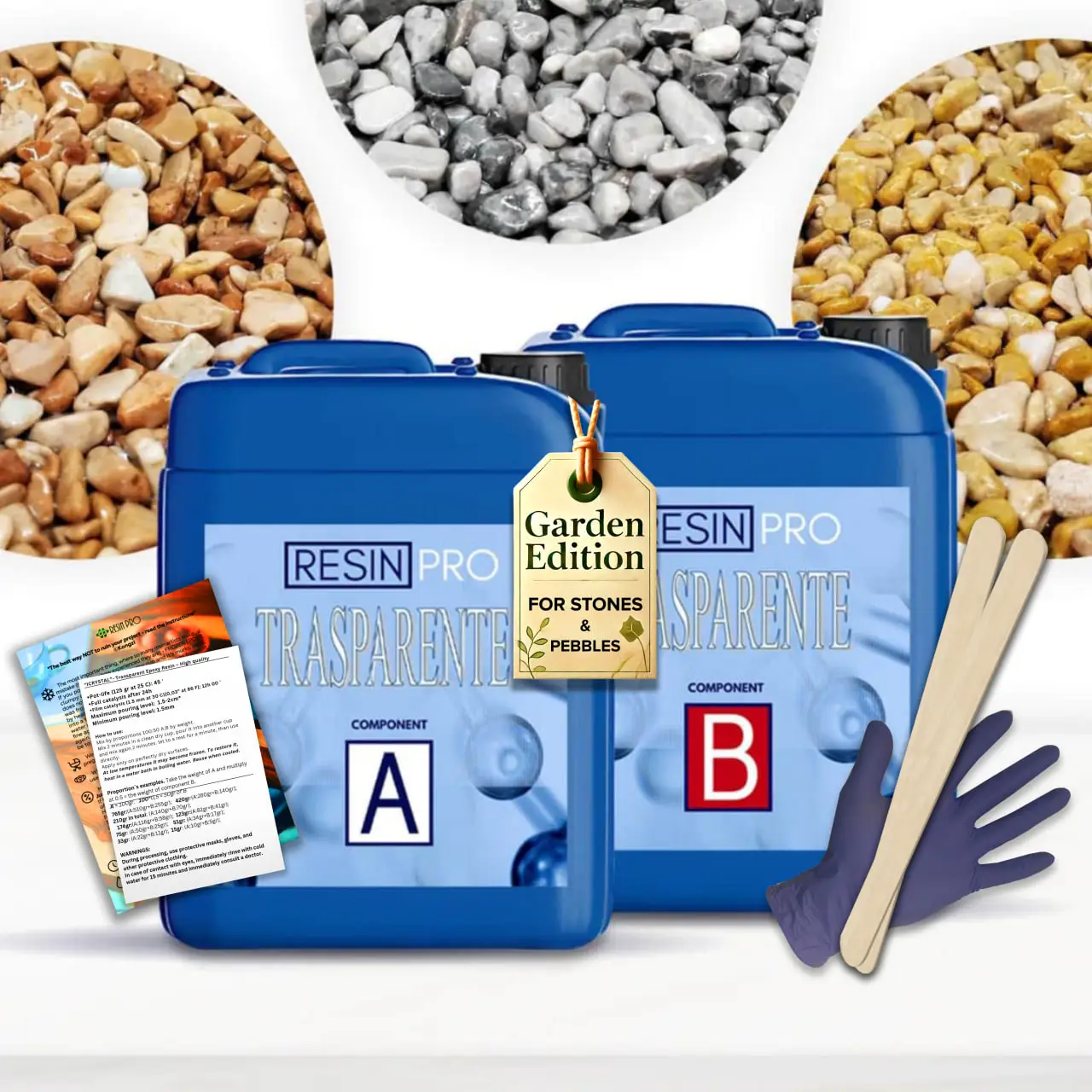
- “Trasparente” – Epoxy Binder for Coloured Pebbles and Grits: Suitable for bonding coloured aggregates in decorative outdoor floors.
- “Resinstone” – One-Component Methacrylic Resin for Concrete Floors and Driveways: Designed for sealing and protecting concrete substrates.
- “Flowstone” – Complete Permeable Floor Kit with Pebbles and Resin: Ideal for DIY projects involving permeable pebble floors.
- Protective gloves, goggles, and a mask
- Roller, brush, or trowel
- Mixing container and paddle or suitable mixer
- Cleaning supplies (broom, vacuum, mop)
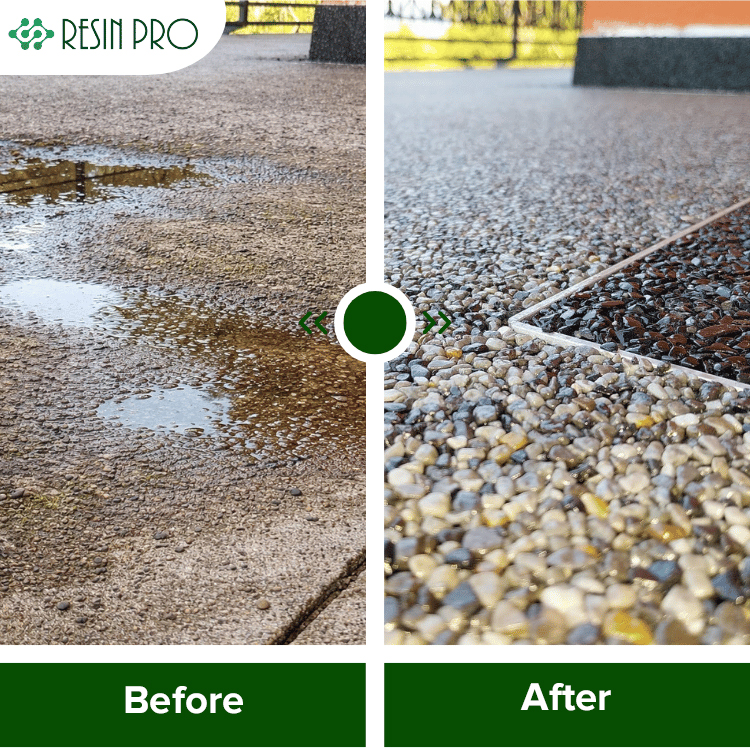
Get Inspired: Real Resin Floor Projects
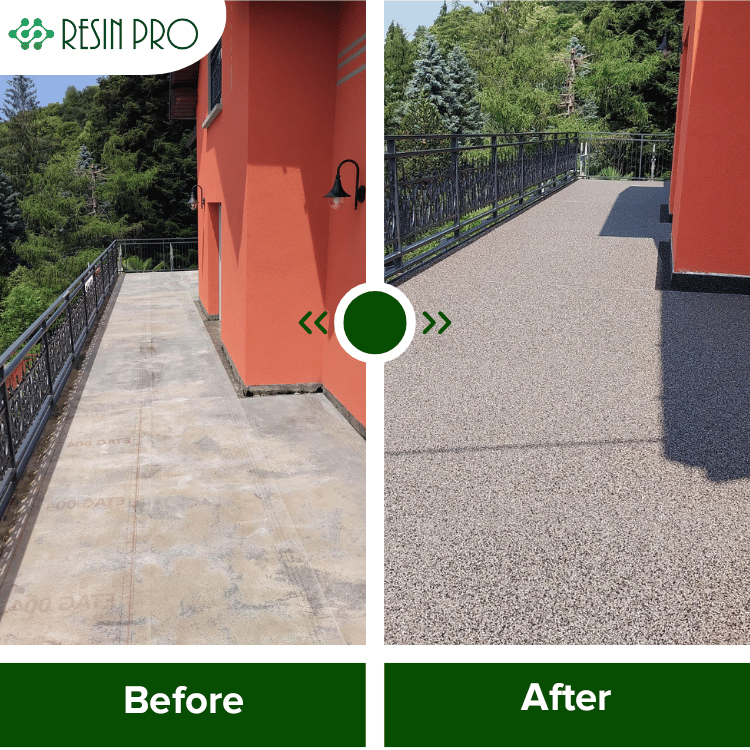
See how DIYers and professionals transform interiors and exteriors using permeable pebble kits, epoxy binders, and concrete sealers. From creative driveways to modern kitchen floors, explore examples for your next project. Browse resin floor solutions for ideas and technical support.
Step 1: Clean and Prepare the Floor Surface Thoroughly
Preparation is the cornerstone of any successful resin flooring project. Begin by ensuring the floor is clean, dry, and free from dust, grease, oils, and debris. For concrete or screed floors, repair any cracks or holes using a suitable filler and smooth out uneven areas. Allow any repairs to cure fully before continuing. If the surface is tiled or dense, abrade lightly to create texture for better adhesion. A well-prepared substrate prevents delamination and helps your resin floor last for years.
Step 2: Prime for Optimal Adhesion and Sealing
Priming the floor is highly recommended, especially for porous or absorbent surfaces such as concrete, screed, or timber. Apply a suitable primer like “Epoxyprimer” – Universal Water-Based Two-Component Epoxy Floor Primer using a roller, brush, or spatula, following the manufacturer’s coverage and mixing instructions. Let the primer cure (typically 24-48 hours) before proceeding.
This step maximises bonding between the resin and the substrate, ensures a uniform finish, and prevents issues like bubbling or uneven curing.
Step 3: Mix and Apply the Resin with Care
Careful mixing is vital for an even, durable finish. Choose the right resin system according to your intended use:
- For outdoor permeable surfaces, use a kit like “Flowstone” – Complete Permeable Floor Kit with Pebbles and Resin or “Trasparente” – Epoxy Binder for Coloured Pebbles and Grits.
- For sealing concrete, apply “Resinstone” – One-Component Methacrylic Resin for Concrete Floors and Driveways after priming.
Follow the product’s mixing ratios—usually measured by weight or volume—and blend thoroughly. Pour or trowel the mixed resin (and aggregates, if applicable) evenly across the prepared and primed surface. Work in sections, maintaining a wet edge to minimise lines or marks. For aggregate floors, ensure all stones are well coated and compact as needed.

Step 4: Finish and Cure for a Long-Lasting Surface
Once applied, leave the resin undisturbed for the full curing period (consult your product’s instructions; times may range from 10–48 hours depending on the resin type and climate). Protect the floor from rain, dust, and traffic during this time. For added durability, you can apply a sealing layer if specified. After curing, inspect for imperfections and perform any necessary touch-ups. Allow maximum curing before heavy loads or vehicular traffic are allowed.
Tips, Common Mistakes, and Troubleshooting
Always monitor substrate temperature and humidity, aiming to work between 10°C and 30°C. Avoid very hot, cold, or humid days to prevent curing problems. Take time to mix products properly—improper mixing can cause soft spots or poor bonding. Work quickly but methodically, as many resins have limited working times. Sharp tools and clean buckets help avoid contaminants. If you see bubbles, use a spiked roller as soon as the surface is poured. Never skip priming, especially for concrete or absorbent floors.
Expert Advice for Applying Resin to Floors
Have questions on mixing, substrate preparation or curing? Our technical support team is available to help you choose the best primer or resin binder for your floor type and answer troubleshooting queries. Explore multipurpose epoxy resins and discover reliable tips for each application step.
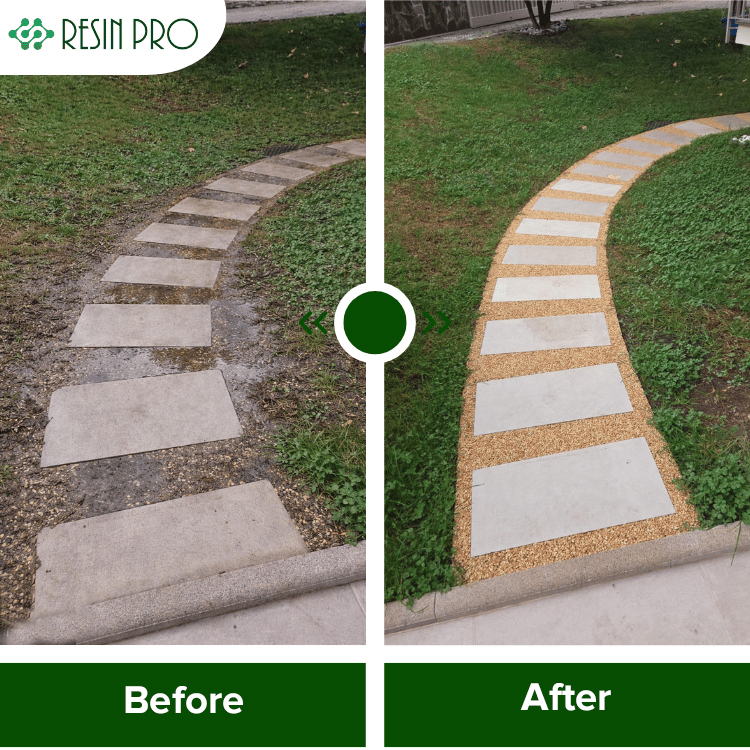
- "Flowstone" – Complete Permeable Floor Kit with Pebbles and ResinPrice range: £42.85 through £3,389.85"Flowstone" offers a durable, permeable pebble and resin floor kit designed for outdoor areas with simple application guidance.
- "Trasparente" – Epoxy Binder for Coloured Pebbles and GritsPrice range: £31.85 through £948.85"Trasparente" is a clear epoxy binder suited for coloured pebbles and grits, designed to create durable, UV stable floors.
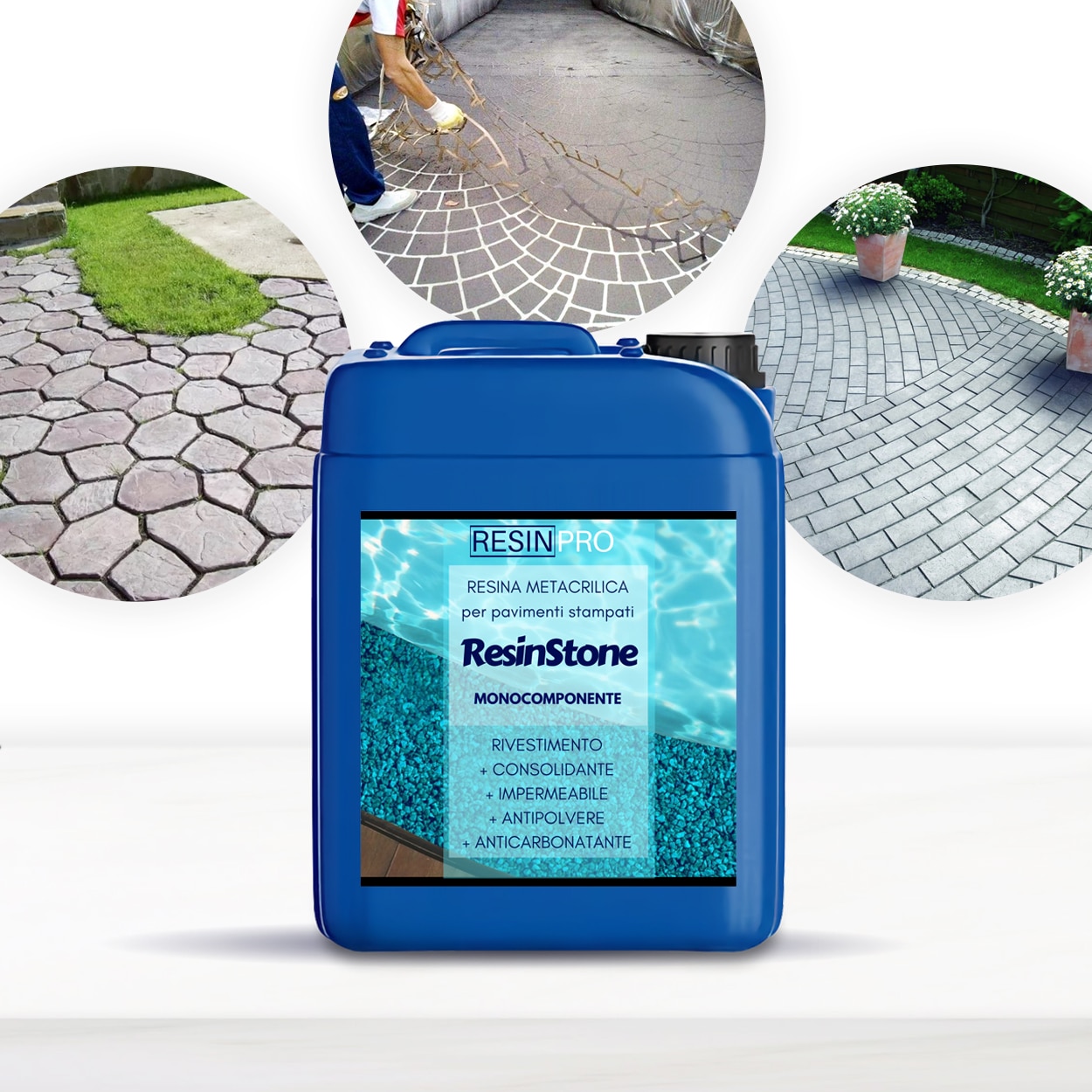 "Resinstone" – One-Component Methacrylic Resin for Concrete Floors and DrivewaysPrice range: £29.85 through £59.85"Resinstone" offers one-component methacrylic resin suitable for sealing and protecting concrete floors in typical floor applications.
 "Epoxyprimer" – Universal Water-Based Two-Component Epoxy Floor PrimerPrice range: £148.84 through £272.45Epoxyprimer is a water-based two-component epoxy primer suitable for various floor surfaces, designed for reliable adhesion and durability.
Frequently Asked Questions
Do I need to prime the floor before applying resin?
Yes, priming is highly recommended for concrete, wood, and absorbent substrates to ensure optimal adhesion and even curing.
What is the best temperature to apply resin to a floor?
The ideal temperature is between 10°C and 30°C with low humidity for proper curing and adhesion.
How long does a resin floor take to cure?
Cure time varies by product; typically between 10 and 48 hours, but check your specific product instructions for full details.
Can I use resin on an old or tiled floor?
Yes, but thoroughly clean and lightly abrade the surface before priming and resin application for best adhesion.
Which resin binding system is suitable for pebble floors?
Use a dedicated binder like "Trasparente" for coloured pebbles or a complete kit such as "Flowstone" for permeable outdoor floors.
Do I need special tools for applying floor resin?
Basic tools such as rollers, brushes, trowels, and mixing paddles are usually sufficient for most resin flooring projects.
Can I apply resin to a damp surface?
No, the substrate must be dry to prevent adhesion and curing issues. Always allow the floor to dry fully before application.