 Free shipping on orders over £29,85
  Shipping Tracking!


 Google
 Facebook
How to apply resin on walls?
Transforming walls with resin is an innovative way to create a seamless, decorative, and hard-wearing finish. Whether you’re looking to achieve a high-gloss effect, boost moisture resistance in kitchens and bathrooms, or make a bold artistic statement, this guide will walk you through each step of the process for applying resin on vertical surfaces.
Achieve decorative and durable finishes using resin wall coatings
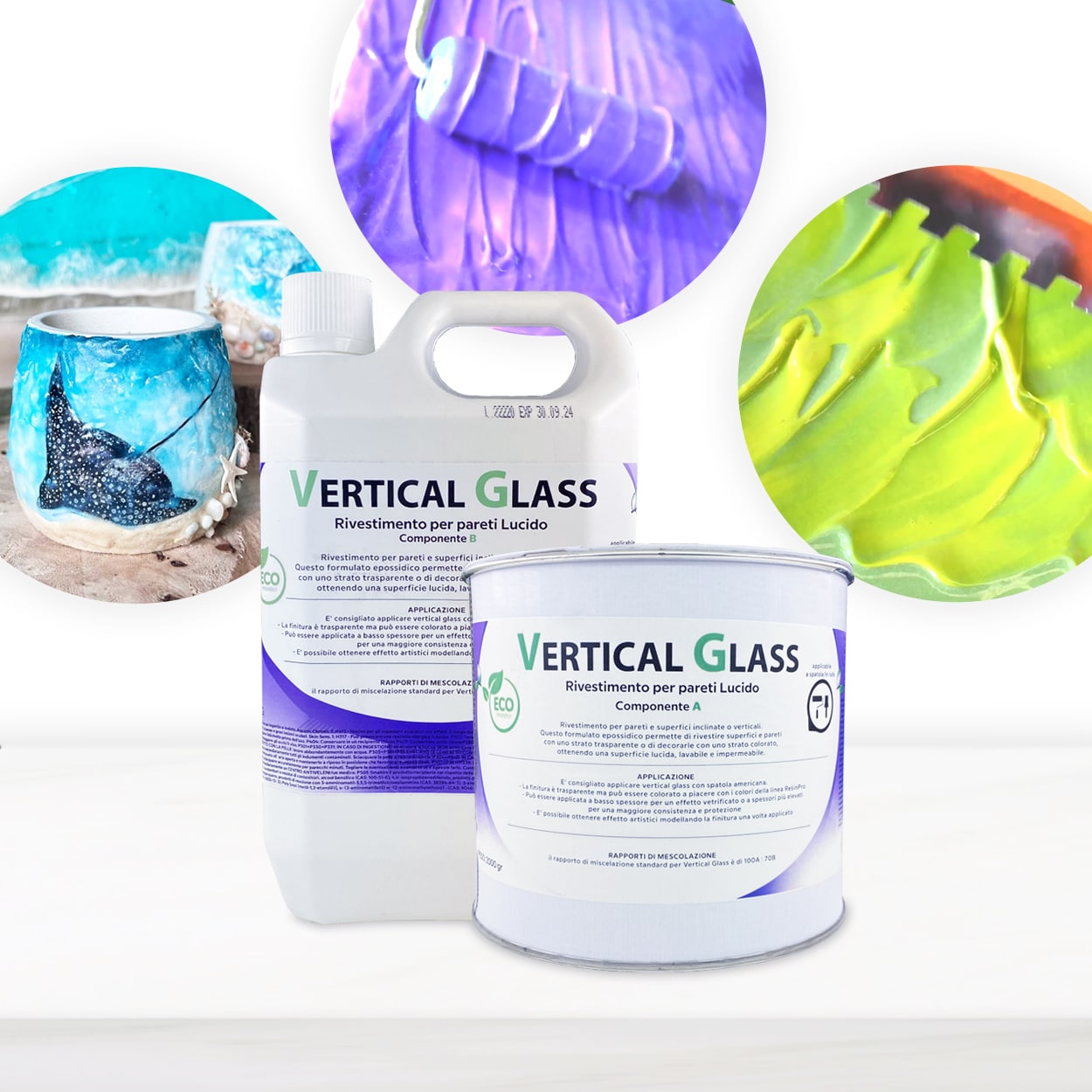

What You’ll Need
- “Vertical Glass” – Thick Resin Decorative Wall Coating: For durable, decorative protection on a range of vertical surfaces.
- “Epoxyprimer” – Universal Water-Based Two-Component Epoxy Floor Primer: Helps ensure strong adhesion, especially on porous or tiled surfaces.
- Resin & Paint Application Rollers – Short-Pile, Large, and Sponge Types: For smooth, even resin application on walls.
- “Art Pro Deluxe” – Ultra-High Viscosity Epoxy Resin for Artists: Useful if you’re planning detailed resin art or requiring crisp edges.
- Standard DIY tools: masking tape, cleaning cloths, mixing containers, spatula, and personal protective equipment (gloves and goggles).
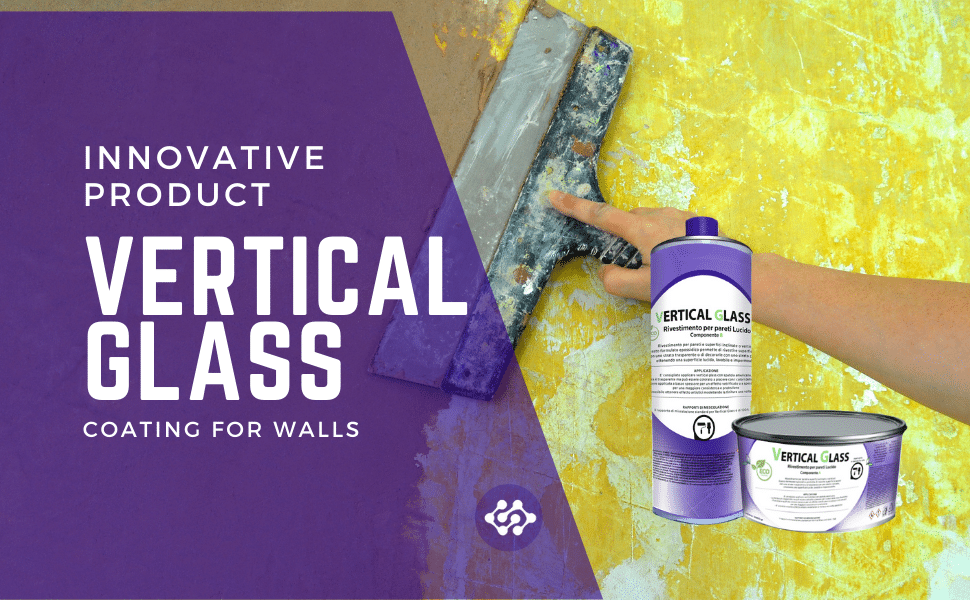
Visual Inspiration: Resin Wall Finishes
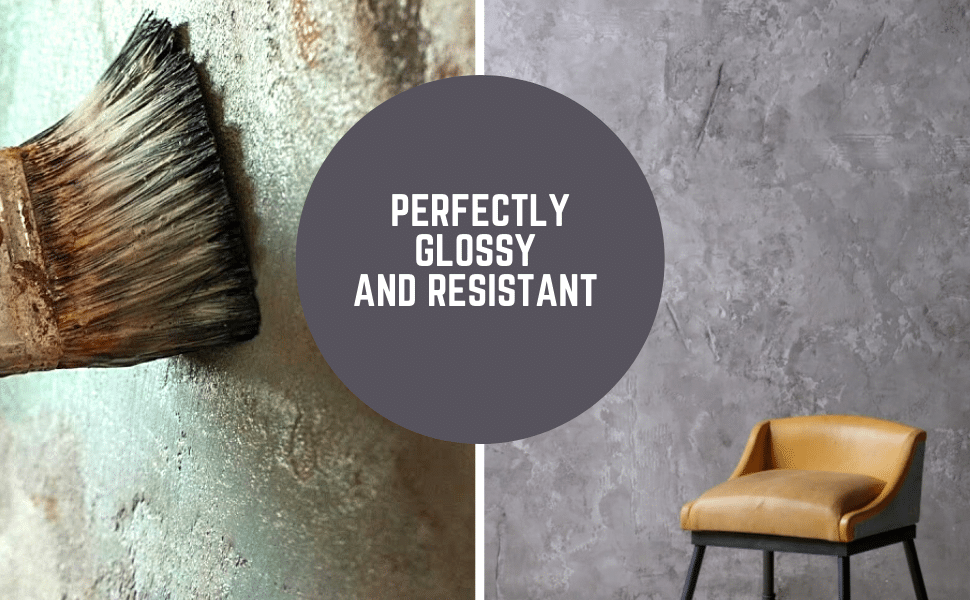
Explore a range of decorative options using resin wall coatings. From glossy contemporary looks to textured artistic panels, resin opens up new possibilities for transforming interior walls in homes, offices, and commercial settings. Notice how clear, coloured, or patterned finishes can elevate even the most standard spaces.
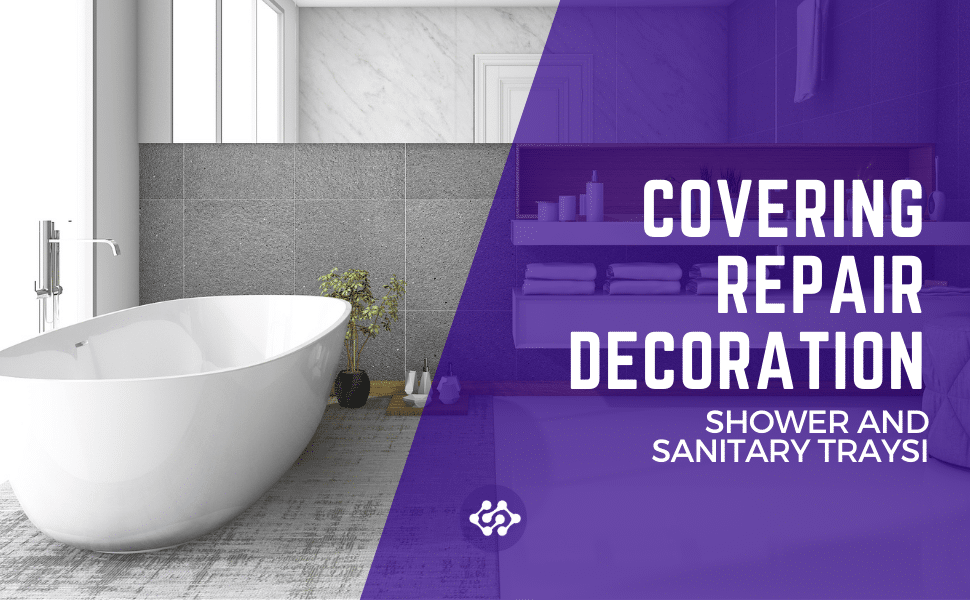
Step 1: Prepare the Wall Surface Thoroughly
Achieving a flawless resin finish starts with proper surface preparation. Walls must be clean, dry, and structurally sound. Remove any loose paint, dust, grease, or other contaminants using a damp cloth and mild detergent. For glossy or tiled surfaces, lightly sand to create a key for adhesion, and remove dust with a clean cloth.
If your wall is porous (such as plaster, concrete, or brick), or if you’re working with ceramic tiles, apply a dedicated epoxy primer to improve the bond between the wall and your resin coating. “Epoxyprimer” – Universal Water-Based Two-Component Epoxy Floor Primer is ideal for this step and should be allowed to cure fully as per instructions before proceeding.
Step 2: Mask Edges and Protect Surroundings
Use masking tape to protect corners, skirting boards, electrical fixtures, and areas adjacent to your intended resin application. Lay down drop sheets to guard floors and furniture—resin drips can be very persistent once cured. Taking time with this step helps keep the final result crisp and reduces cleanup time.
Step 3: Mix and Tint Your Resin Carefully
Follow your chosen resin’s mixing instructions precisely, paying close attention to recommended resin-to-hardener ratios and mixing times. Bubbles and improper curing are often caused by poor mixing, so stir both thoroughly and slowly. If you wish to tint your resin (e.g., for artistic or coloured effects), use approved pigments and mix until fully dispersed for a consistent hue. Prepare only as much product as can be used within the workable time stated by the manufacturer.
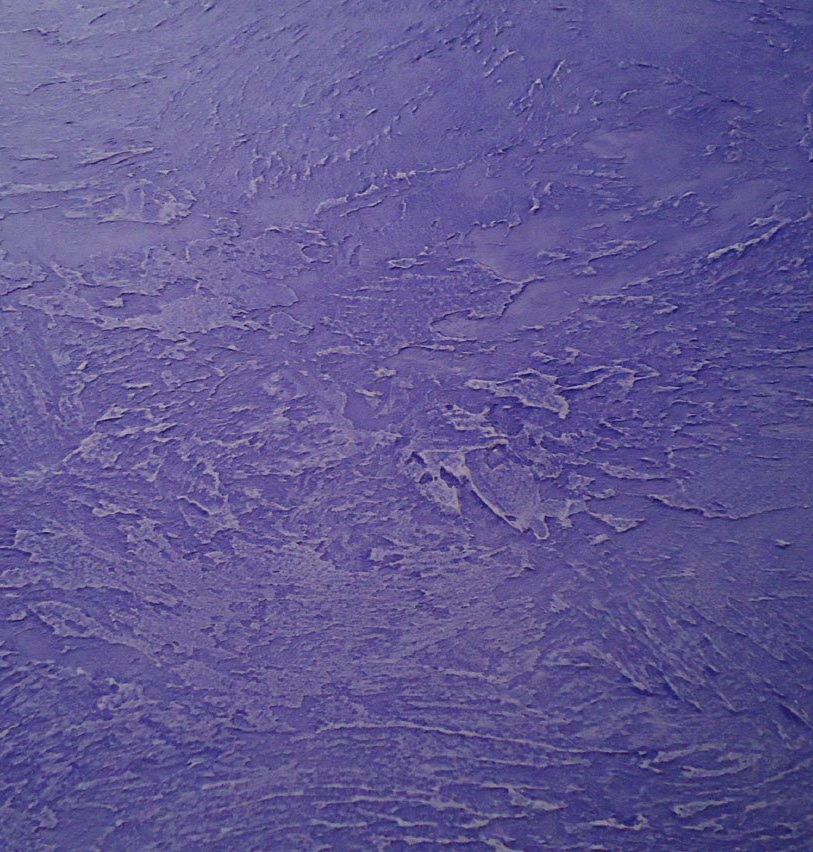
Step 4: Apply Resin Evenly to the Wall
Select the correct tool for your intended effect. For broad, smooth coverage, use a large roller like those from Resin & Paint Application Rollers – Short-Pile, Large, and Sponge Types. Work in vertical sections with steady, even strokes, maintaining a consistent thickness to prevent sags or drips. Edges and detail work benefit from short-pile or sponge rollers.
For a decorative finish or artistic effects, consider a highly viscous resin such as “Art Pro Deluxe” – Ultra-High Viscosity Epoxy Resin for Artists, applied by brush or roller for crisp pattern effects or textured looks. If using “Vertical Glass” – Thick Resin Decorative Wall Coating, apply with a spatula or trowel for a smooth, decorative and protective finish. Always follow product-specific guidelines for open time, application thickness, and curing.

Step 5: Allow to Cure and Add Finishing Touches
Keep the wall free from dust, moisture and contact during the entire curing process. Curing times vary, but typically, resin coatings should be untouched for 24–48 hours. Once fully cured, any uneven patches or shine can be carefully smoothed with fine sandpaper and recoated if necessary. Remove masking tape while the resin is still tacky, if possible, to prevent edge lifting. Clean up tools and workspace promptly before resin hardens.
Tips, Common Mistakes, and Troubleshooting
- Always wear suitable protective equipment including gloves and goggles to prevent skin and eye contact with resin or hardener.
- Test resin on a small section before tackling the entire wall—this helps you predict adhesion, coverage, and desired finish with your chosen resin.
- Take care with room temperature and humidity. Excessive heat, cold, or moisture can interfere with curing and gloss.
- If bubbles appear, gently run a heat gun or torch over the surface briefly (without overheating) to pop them before the resin sets.
- Keep your workspace clean and dust-free to avoid imperfections in your finished wall.
- If you notice runs or sags, these are typically caused by applying resin too thick. Aim for a consistent, controlled layer.
Before & After: Real Resin Wall Transformations
See how properly applied resin revitalises tired walls, protects high-moisture areas, and delivers visually striking results. Comparing before and after images demonstrates the dramatic improvement in both appearance and resilience that resin coatings bring to vertical surfaces.
- "Vertical Glass" – Thick Resin Decorative Wall CoatingPrice range: £128.85 through £179.85Vertical Glass is a resin wall coating designed for decorative protection and customisable finishes on vertical and sloping interiors.
- Resin & Paint Application Rollers – Short-Pile, Large, and Sponge TypesPrice range: £3.45 through £4.85Rollers designed for precise and uniform epoxy resin application suitable for walls and other resin surfaces.
 "Epoxyprimer" – Universal Water-Based Two-Component Epoxy Floor PrimerPrice range: £148.84 through £272.45Epoxyprimer is a universal water-based primer designed for reliable adhesion and durable results on various surfaces.
 "Art Pro Deluxe" – Ultra-High Viscosity Epoxy Resin for ArtistsPrice range: £33.85 through £287.85"Art Pro Deluxe" ultra-high viscosity epoxy resin offers clear, self-levelling finish layers suitable for precise resin art under the theme How to…
Frequently Asked Questions
What type of resin should I use for applying on walls?
For wall applications, use a thick, non-self-levelling resin such as 'Vertical Glass' for general coatings, or an ultra-high viscosity resin for artistic finishes.
Can I use resin on tile or brick walls?
Yes, resin can be applied to tiles, bricks, or cement surfaces, especially after priming using an appropriate epoxy primer for strong adhesion.
How do I properly prepare a wall for resin application?
Clean and degrease the wall, sand glossy surfaces, and apply an epoxy primer to ensure optimal adhesion before adding your resin coating.
What tools do I need to apply resin on walls?
Use short-pile or large resin rollers for smooth areas, spatulas for textured finishes, and brushes for detail work along edges and corners.
How long should I let resin cure on a vertical surface?
Allow 24–48 hours for full curing, keeping the area protected and dust-free. Always check your resin's specific guidelines for best results.
Is resin suitable for creating art or patterns directly on walls?
Absolutely—use highly viscous resins to apply patterns, colours, or textures, and enhance creative effects without unwanted runs or blending.