 Free shipping on orders over £29,85
  Shipping Tracking!


 Google
 Facebook
← Back to How to sand epoxy resin?
After sanding your epoxy resin surface, you might wonder if polishing is truly needed. Taking this extra step can make a striking difference to the clarity and sheen of your finished piece.
Why Consider Polishing After Sanding?
Once you have meticulously sanded your resin project using fine grit pads or blocks, the surface may appear smooth, but often looks dull or hazy. Polishing isn’t essential for functionality, but it is highly recommended if you are aiming for a crystal-clear, glossy appearance. The act of polishing removes fine scratches left from sanding and enhances the depth, giving your project a professional and gleaming finish.
How to Achieve a Glossy Finish
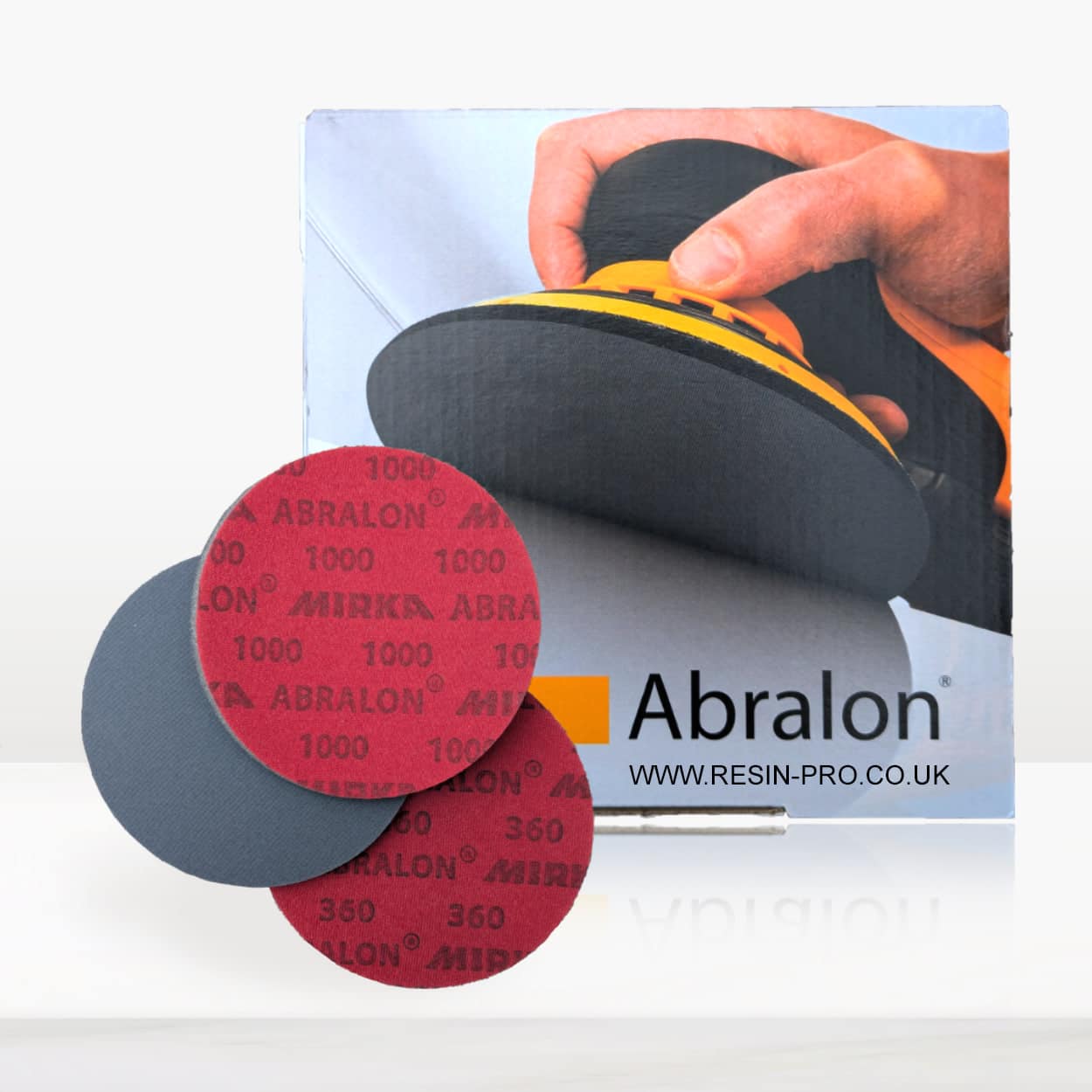
Begin by sanding your resin thoroughly, progressing through to the finest grit pads such as the Ebonite Abralon Sanding Pads for best results. Ensure the surface is completely clean before starting to polish. You may polish by hand or with a variable speed tool like the 1200W Polisher, applying even pressure in slow, overlapping movements. Use a polish designed for resin or a fine abrasive paste to work the shine into place. For smaller or intricately shaped pieces, a flexible foam sanding block also helps prepare the surface prior to polishing.
When Does Polishing Matter?
If your project is decorative or will be showcased under lights—such as jewellery, table tops, or display pieces—polishing greatly enhances appearance. While purely functional items may not require this step, most resin crafters prefer polishing for a dazzling final look.
Related products
Related guides
While not strictly required, polishing makes a substantial difference to your finished epoxy resin projects. For more techniques and expert guidance, see our full advice on how to sand epoxy resin.