 Free shipping on orders over £29,85
  Shipping Tracking!


 Google
 Facebook
← Back to How do you cover bathroom tiles with resin?
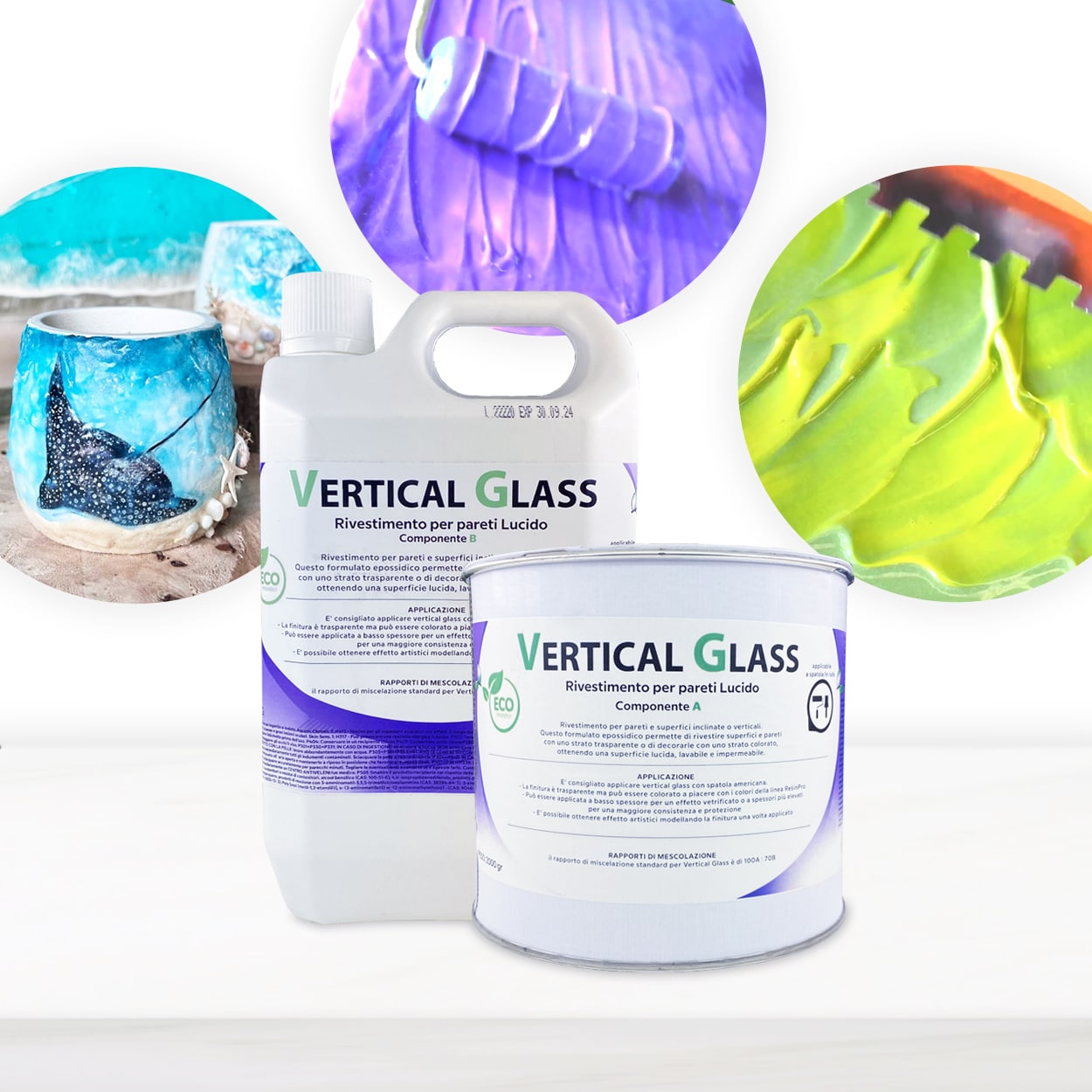
Securing reliable adhesion is essential when applying resin coatings over bathroom tiles. Sanding the tiles lightly is a simple preparation step that makes a noticeable difference in achieving a decorative and long-lasting finish.
Why Sand Bathroom Tiles Before Resin Application?
Bathroom tiles often have a smooth glaze that can reduce the bond between the tile and the resin. By gently sanding the surface, you create a fine texture that allows primers and resin coatings to grip far more effectively. This is particularly important for vertical surfaces, where decorative resins like “Vertical Glass” are used for waterproof and stylish wall finishes.
Step-by-Step Guidance: Preparing Tiles for Resin
- Clean thoroughly: Remove any soap residue, grease, or dust from the tile surface with a suitable cleaner and rinse well.
- Light sanding: Use fine sandpaper (typically 180–220 grit) and sand the tiles in a circular motion. The aim is to dull the surface slightly, not to abrade down into the tile itself.
- Dust off: Carefully wipe away all sanding dust to prevent it compromising the resin finish.
- Prime for optimal adhesion: Applying a dedicated primer such as Epoxyprimer can further guarantee a strong, stable base—especially in areas exposed to moisture.
When Proper Tile Preparation Matters Most
Thorough sanding and priming are especially important when tackling bathrooms, wet rooms, or splash-prone walls. These environments demand both excellent adhesion and a waterproof barrier for lasting results. If you plan to use a decorative resin like Vertical Glass, proper preparation ensures your finish remains durable and visually striking.
Related products
Related guides
Sanding your bathroom tiles is a small step that contributes hugely to the success of any resin wall coating project. To learn more about full application techniques, visit our guide on covering bathroom tiles with resin.