 Free shipping on orders over £29,85
  Shipping Tracking!


 Google
 Facebook
How do you cover a floor with resin?
Step-by-step guide for a durable, decorative resin floor

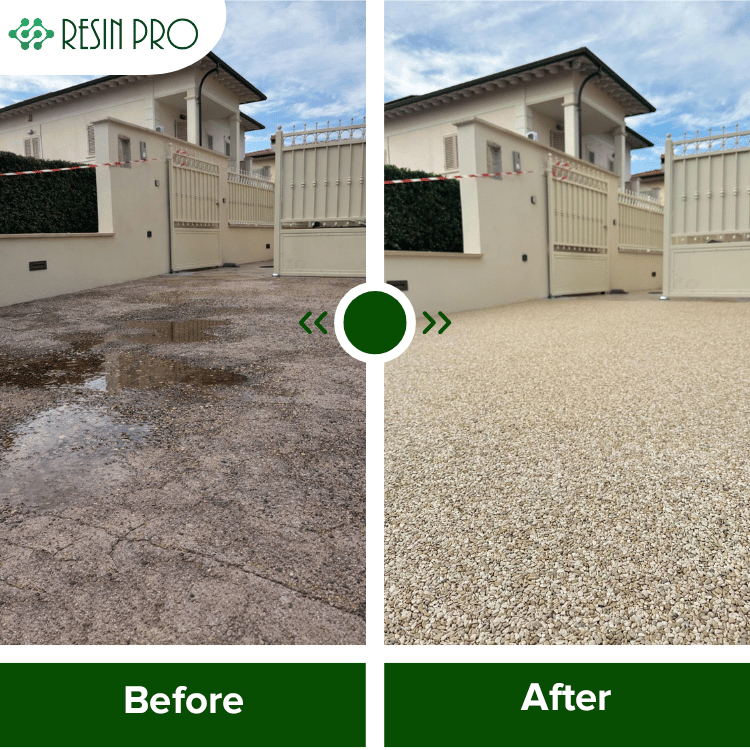
Transforming your floor with resin can deliver a beautiful, seamless finish while also improving durability and drainage – particularly outdoors. Whether you’re enhancing a driveway, garden path or patio, this comprehensive guide walks you through the process of covering a floor with resin for long-lasting results and minimal maintenance. Follow each step for a professional-quality, water-permeable finish.
What You’ll Need
- “Flowstone” – Complete Permeable Floor Kit with Pebbles and Resin – A complete option for driveways, patios, and paths requiring drainage and a decorative surface
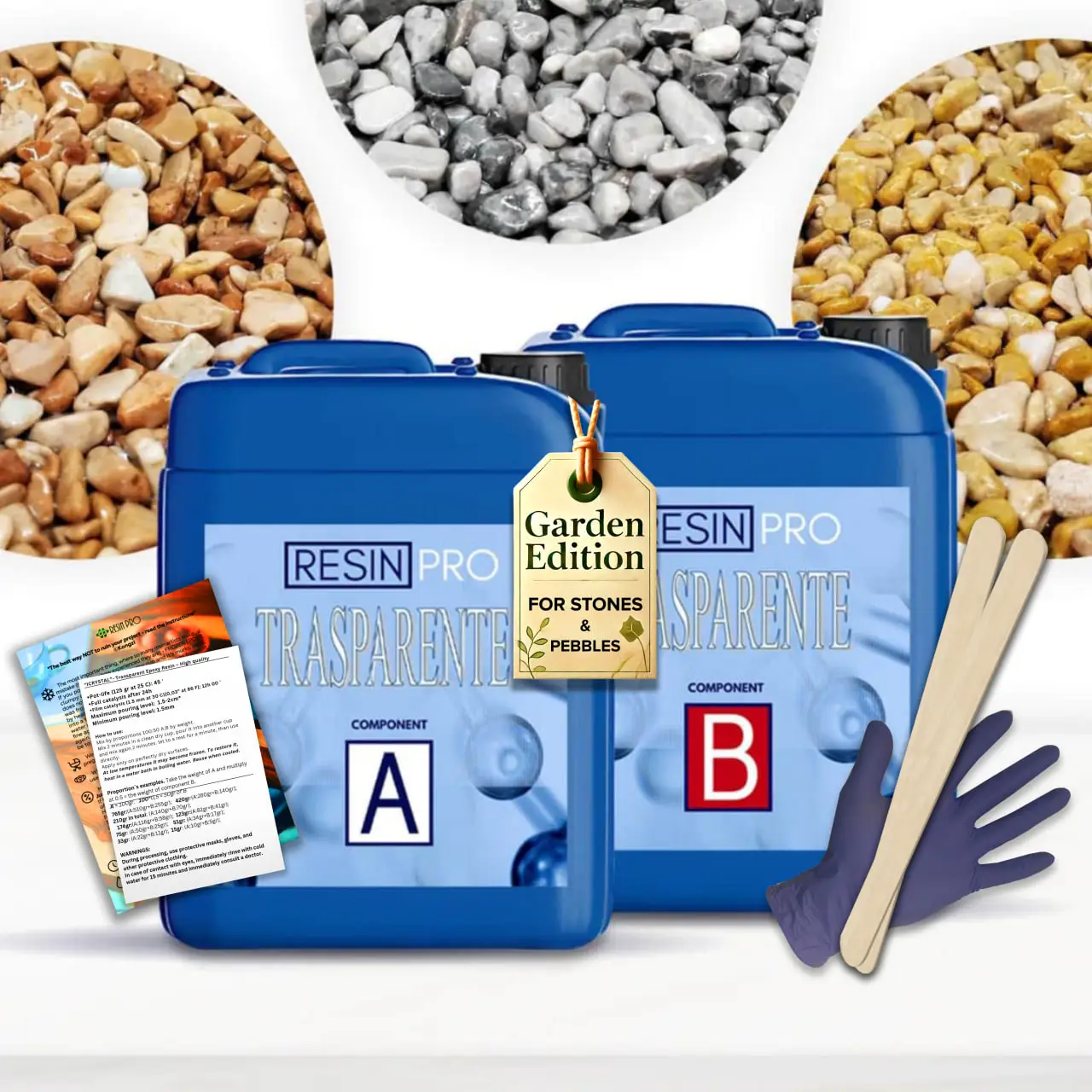
- “Trasparente” – Epoxy Binder for Coloured Pebbles and Grits – Ideal for coloured or dark pebbles that need a clear and UV-stable binding
- “Polirock” – Polyurethane Binder for White Stones, 2kg Two-Component Kit – Best for bright, non-yellowing results on white and natural stone surfaces
- Washed Pebbles for Permeable Floors 25kg – Outdoor Resin-Bound Surfaces – Suitable for creating attractive, permeable pathways or patios
- Basic tools: mixing bucket or cement mixer, trowel, stiff brush, safety gloves and goggles
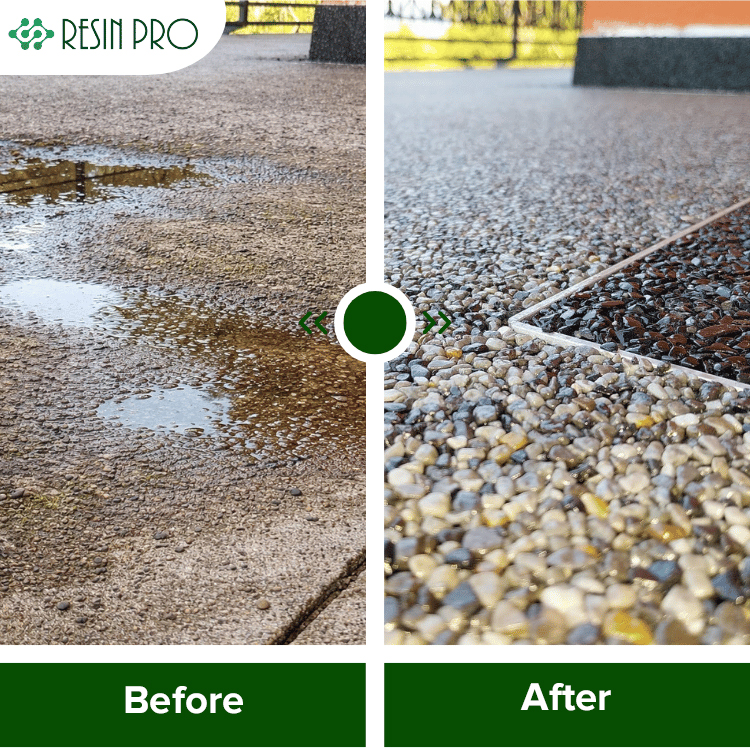
Key Benefits of Resin-Bound Flooring
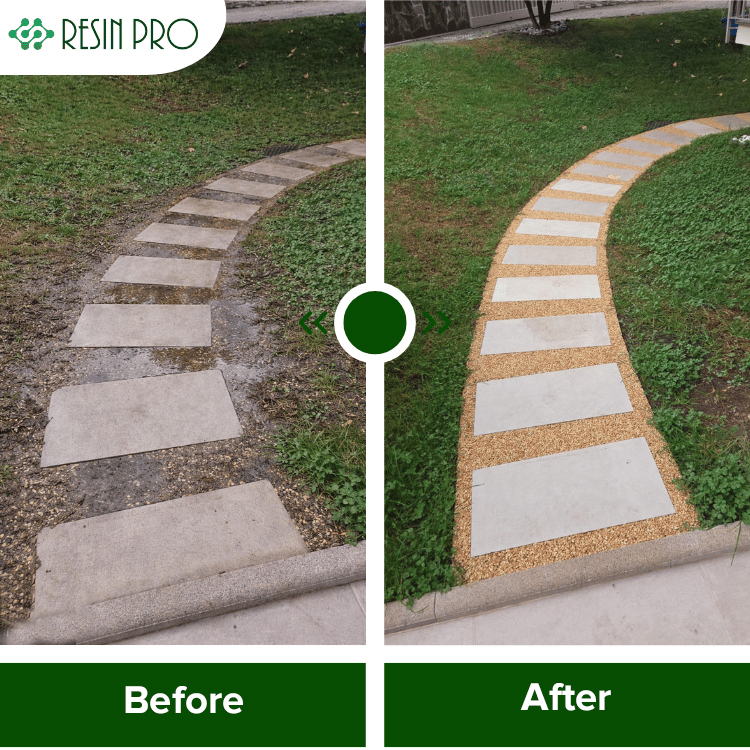
Resin-bound floors offer a porous, seamless surface that efficiently drains water and resists weathering, making them a smart solution for patios, paths, and driveways in the UK. Their customisable finish and durability provide ongoing visual appeal and minimal upkeep, helping your outdoor spaces stand out year-round.
Sweep and Clear the Surface
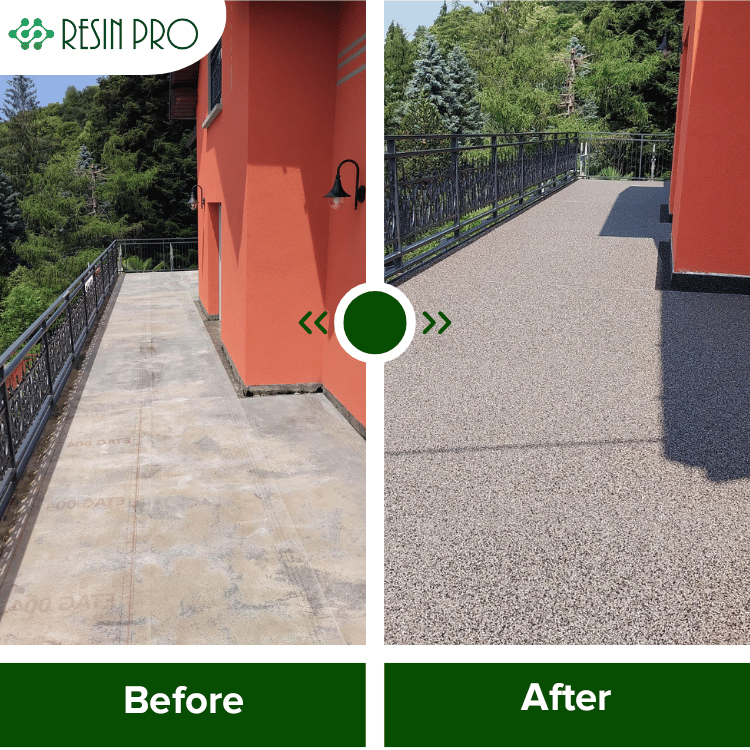
Start by making sure the target floor area is dry, firm and free from debris. Any traces of old coverings, weeds or moss should be removed completely as they can affect how well the resin adheres. Use a broom or pressure washer for a thorough clean. For best results, the substrate (such as concrete or compacted base) should be flat and have no residual moisture, as damp patches can compromise resin bonding.
Inspect for cracks or hollows. Repair these as needed to avoid future surface issues – ensure repairs have cured fully before continuing. A clean, stable substrate is the best guarantee of lasting results.
Mix the Resin and Aggregates
Precise mixing is essential for durability and appearance. Add measured quantities of your chosen stone (pebbles or grits) with the selected resin in a mixing bucket or cement mixer. Always follow the product-specific instructions for ratios and mixing duration.
For coloured aggregates or darker stones, a binder such as “Trasparente” – Epoxy Binder for Coloured Pebbles and Grits provides a transparent, UV-resistant finish for decorative results. If working with white stones, opt for “Polirock” – Polyurethane Binder for White Stones to maintain the surface’s clarity and avoid yellowing over time.
Ensure the resin fully coats the aggregate before moving on to avoid dry patches, which could weaken the surface.
Spread and Compact Evenly
Pour the mixed resin and stone blend evenly across the prepared floor area, working in sections. Use a trowel or float to level the mixture to the recommended thickness (typically 1.5–2cm depending on site and usage, such as driveways or paths).
As you spread the mix, gently compact to remove air pockets and deliver a smooth, solid finish without dips or bumps. Edges and borders may require additional care for a neat, professional result. When using kits such as the “Flowstone” – Complete Permeable Floor Kit with Pebbles and Resin, consult the supplied step-by-step guidance for optimal spreading and application.

Allow Proper Curing and Finishing
Leave the finished surface untouched for the recommended curing period according to your chosen resin (refer to the kit or binder instructions). Protect the new layer from rain, debris and foot traffic during this period, as early disturbance can leave marks or weaken adhesion.
Once fully hardened, lightly brush away any surface residue. The result is a robust, attractive, and water-permeable floor that copes well with the UK climate’s demands.
Tips and Common Mistakes to Avoid
Always apply resin in suitable weather – avoid extreme cold, heat, or high humidity, as these can disrupt the curing process and lead to poor results. Work in manageable sections to ensure even coverage and prevent the mix from setting before it is smoothed out. Resist adding too much resin or stone; sticking to recommended ratios ensures both permeability and strength.
Don’t forget safety: wear gloves and goggles when handling resin. If you are working with white aggregates, use a non-yellowing binder to prevent discolouration in sun-exposed areas. Taking time to prepare and mix thoroughly delivers the most durable and attractive outcome.
Project Planning: Before You Start
Plan your installation for a period of mild, dry weather and organise all materials in advance. Proper planning ensures rapid application, uninterrupted curing, and a uniform surface quality from edge to edge. Check surface area measurements and confirm you have enough resin and aggregates to cover the full space.
- "Flowstone" – Complete Permeable Floor Kit with Pebbles and ResinPrice range: £42.85 through £3,389.85"Flowstone" kit offers a permeable pebble resin floor solution with easy guidance and customisable colours for UK driveways and patios.
- "Trasparente" – Epoxy Binder for Coloured Pebbles and GritsPrice range: £31.85 through £948.85"Trasparente" is a transparent epoxy binder suitable for coloured pebbles and grits, providing a clear and UV-stable finish for flooring projects.
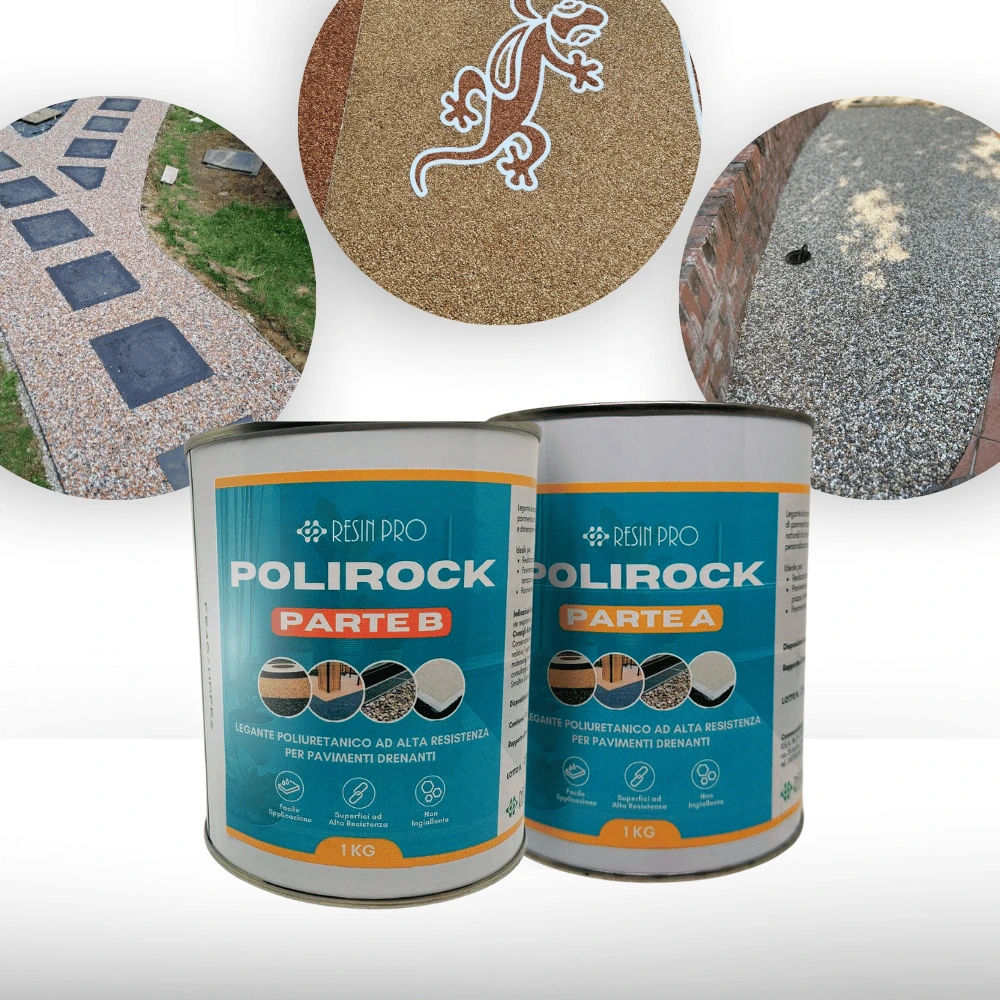 "Polirock" – Polyurethane Binder for White Stones, 2kg Two-Component Kit£58.85Polirock is a two-component polyurethane binder suitable for creating decorative and permeable outdoor surfaces with white stones.
- Washed Pebbles for Permeable Floors 25kg – Outdoor Resin-Bound Surfaces£26.85Washed Pebbles for Permeable Floors 25kg provide a natural solution for permeable outdoor surfaces using resin binder.
Frequently Asked Questions
How do I prepare a surface for resin flooring?
Thoroughly clean, remove debris, and ensure the surface is dry and flat. Repair any cracks before starting for best results.
How long does a resin floor take to cure?
Curing depends on the resin used and temperature, but most surfaces are ready after 24–48 hours for general use.
Which binder prevents resin floors from yellowing outdoors?
For white stones, a non-yellowing polyurethane such as "Polirock" maintains clarity over time.
Does weather affect resin floor installation?
Yes, avoid installing during rain, frost, or extreme heat to ensure proper adhesion and curing.
How do I mix resin and pebbles correctly?
Follow the product’s instructions for exact ratios and mix thoroughly until all pebbles are evenly coated.
Are resin-bound floors permeable?
Resin-bound floors allow water to drain through, preventing puddles and improving outdoor drainage performance.