 Free shipping on orders over £29,85
  Shipping Tracking!


 Google
 Facebook
← Back to How to make a dildo with silicone rubber?
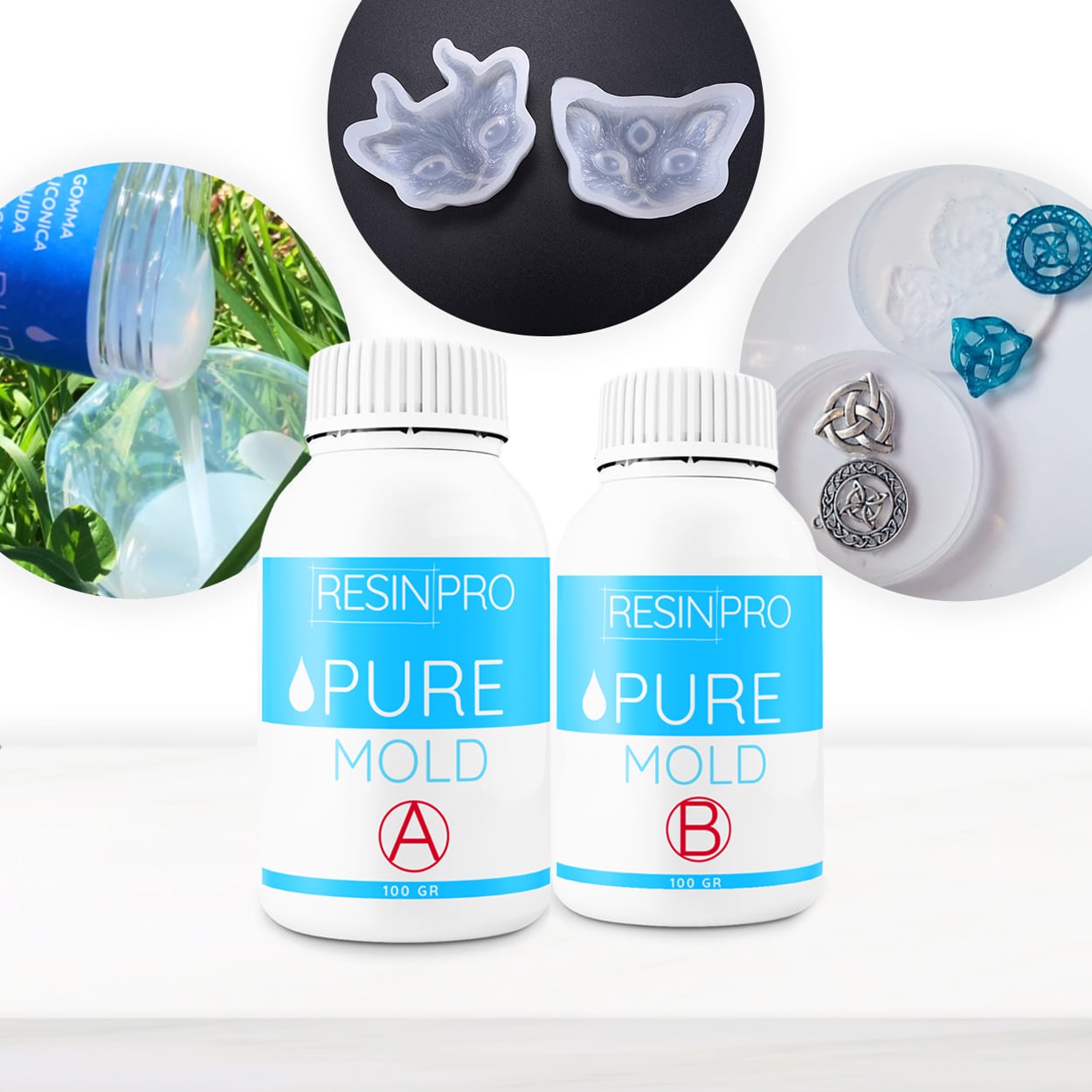
Bubbles in silicone moulds can spoil the fine detail and finish of your castings. With a little careful preparation and technique, you can greatly reduce or even avoid unwanted air bubbles.
Mixing and Pouring: Key Techniques
When preparing your silicone, always mix the two components slowly and steadily to limit air entrapment. Scrape the sides and bottom of your mixing container to ensure an even blend. When you’re ready to pour, introduce the silicone from one edge of the mould, allowing it to flow over the model rather than pouring directly on top. This helps push air out rather than trap it under detailed surfaces.
Encouraging Bubble Release
After pouring, gently tap or vibrate the mould to coax any pockets of air to rise and escape. If you have access to a vacuum chamber or pressure pot, use it before curing; these tools are excellent for drawing out or compressing micro-bubbles in the silicone. For smaller DIY projects, patience and gentle tapping usually suffice.
Choosing the Right Silicone for Fewer Bubbles
The quality of your silicone rubber can affect bubble retention. Products like Pure Mould Translucent Liquid Silicone Rubber are easy to mix and designed to capture detail while helping minimise air entrapment. Consider a formulation that suits your experience level and project size for the best results.
When Bubble-Free Moulds Matter
If your project involves fine textures, intricate shapes, or clear casting materials, eliminating bubbles is especially important for both aesthetic and functional results. Attention to these techniques can make a noticeable difference.
Related products
Related guides
Taking a little extra time to control bubbles will help guarantee crisp, professional-quality moulds. For more guidance and products designed for detailed silicone moulding, explore the full advice on how to make a dildo with silicone rubber.