 Free shipping on orders over £29,85
  Shipping Tracking!


 Google
 Facebook
← Back to How to make moulds for resin?
If you’re new to resin casting, choosing the right object as a master is crucial for creating successful silicone moulds. Not every item is suitable for this process, and making the right selections can greatly impact your results.
What Makes a Good Mould Master?
Ideally, your master should have a smooth and non-porous surface. Materials like glass, plastic, and glazed ceramics allow silicone to flow around them easily without sticking or trapping bubbles. Smooth surfaces also help your mould come away cleanly, preserving detail and reducing the risk of damaging your mould or master. Avoid using objects made of unsealed wood, unglazed clay, or other porous materials unless you plan to thoroughly seal them first.
Preparing Your Object for Silicone Moulding
Before pouring silicone, ensure your chosen master is clean and dry. For porous objects you wish to use, a sealing layer such as a specialist varnish or even multiple thin layers of PVA glue can help close the surface and prevent the silicone from sticking or bonding during curing. This step reduces the risk of air bubbles and makes demoulding much easier. For intricate pieces, a release agent may also be beneficial.
Choosing the Right Silicone for Your Project
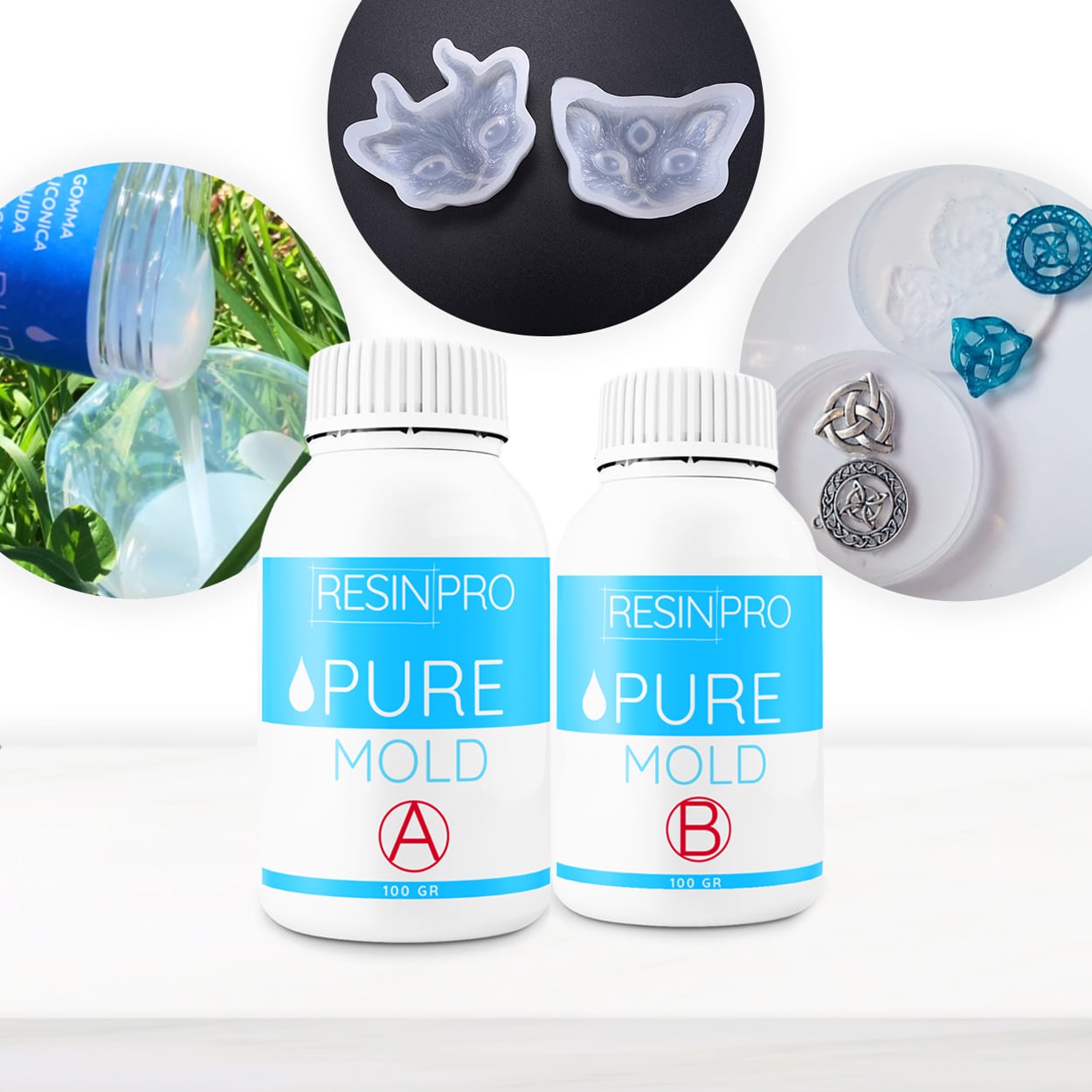
Using a dedicated mould-making silicone like “Pure Mould” – Translucent Liquid Silicone Rubber for Mould Making ensures compatibility with a variety of masters and helps capture fine details. This type of silicone is designed specifically for resin projects, offering excellent flexibility and low shrinkage for clear reproduction of your selected object.
When Surface Choice Matters Most
Selecting the right master is especially important when moulding items with intricate features or when you plan to use the mould multiple times. The better the finish on your master, the longer your mould is likely to last, and the easier it will be to achieve high-quality resin casts.
Related products
Related guides
By carefully choosing and preparing your master, you set the foundation for successful resin casting. For more in-depth guidance on creating your own moulds, explore our main guide on How to make moulds for resin.