 Free shipping on orders over £29,85
  Shipping Tracking!


 Google
 Facebook
← Back to How to make moulds for resin?
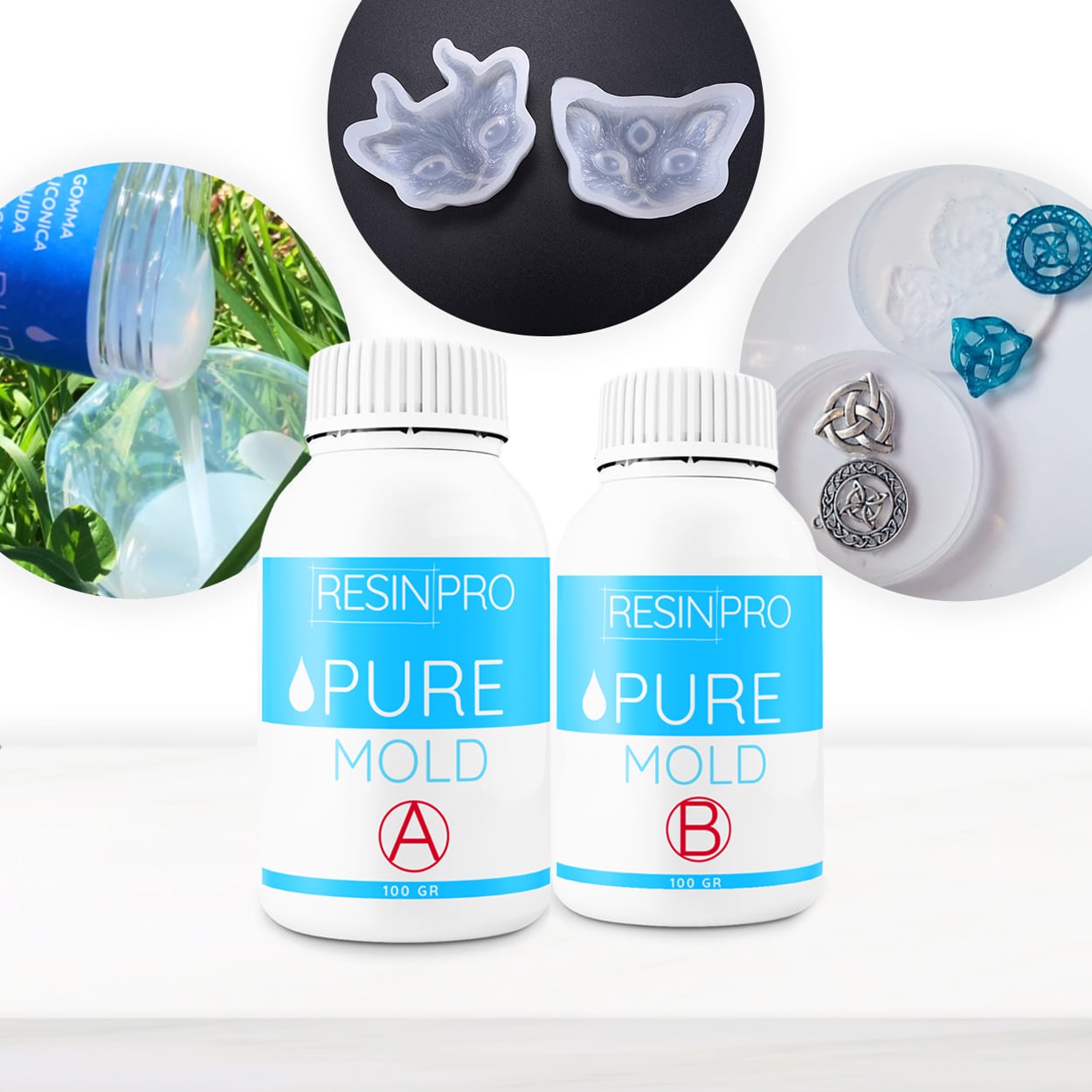
One of the most important steps in resin mould making is ensuring that your silicone mould is completely cured before you try to demould it. Patience at this stage will make all the difference to your results and mould longevity.
Why Curing Time Matters
Curing allows the silicone to reach its maximum strength and flexibility. Removing your mould too early can result in warping, tearing, or loss of intricate details—problems that can ruin all your careful preparation. Well-cured silicone ensures shapes and surfaces remain true, so you get crisp casts every time.
How Long Should You Wait?
The optimal curing time varies by silicone product, temperature, and humidity levels, but most quality liquid silicones recommend a curing window of around 3 to 8 hours. For example, “Pure Mould” – Translucent Liquid Silicone Rubber for Mould Making is ready for demoulding when it feels firm, flexible, and no longer tacky to the touch. Check manufacturer instructions and always allow a little extra time in cooler environments.
Practical Tips for Best Results
- Keep your mould in a level spot with a consistent room temperature for even curing.
- Avoid poking or flexing the mould before the full cure time; patience prevents flaws.
- After curing, gently release the mould by working around the edges to avoid tearing.
- Use high-quality platinum-based silicones for better stability, transparency, and fewer casting difficulties.
When This Matters Most
This step is especially important when making moulds for detailed resin jewellery, keepsakes, or when using reusable moulds for multiple pours. Premature demoulding risks both the integrity of your mould and the quality of your resin pieces.
Related products
Related guides
Giving your silicone mould enough time to fully cure is essential for reliable, professional resin casting results. For more guidance on the entire process, explore our main resource on how to make moulds for resin.