 Free shipping on orders over £29,85
  Shipping Tracking!


 Google
 Facebook
How to build a resin shower tray?
Detailed steps for durable, stylish resin shower tray construction

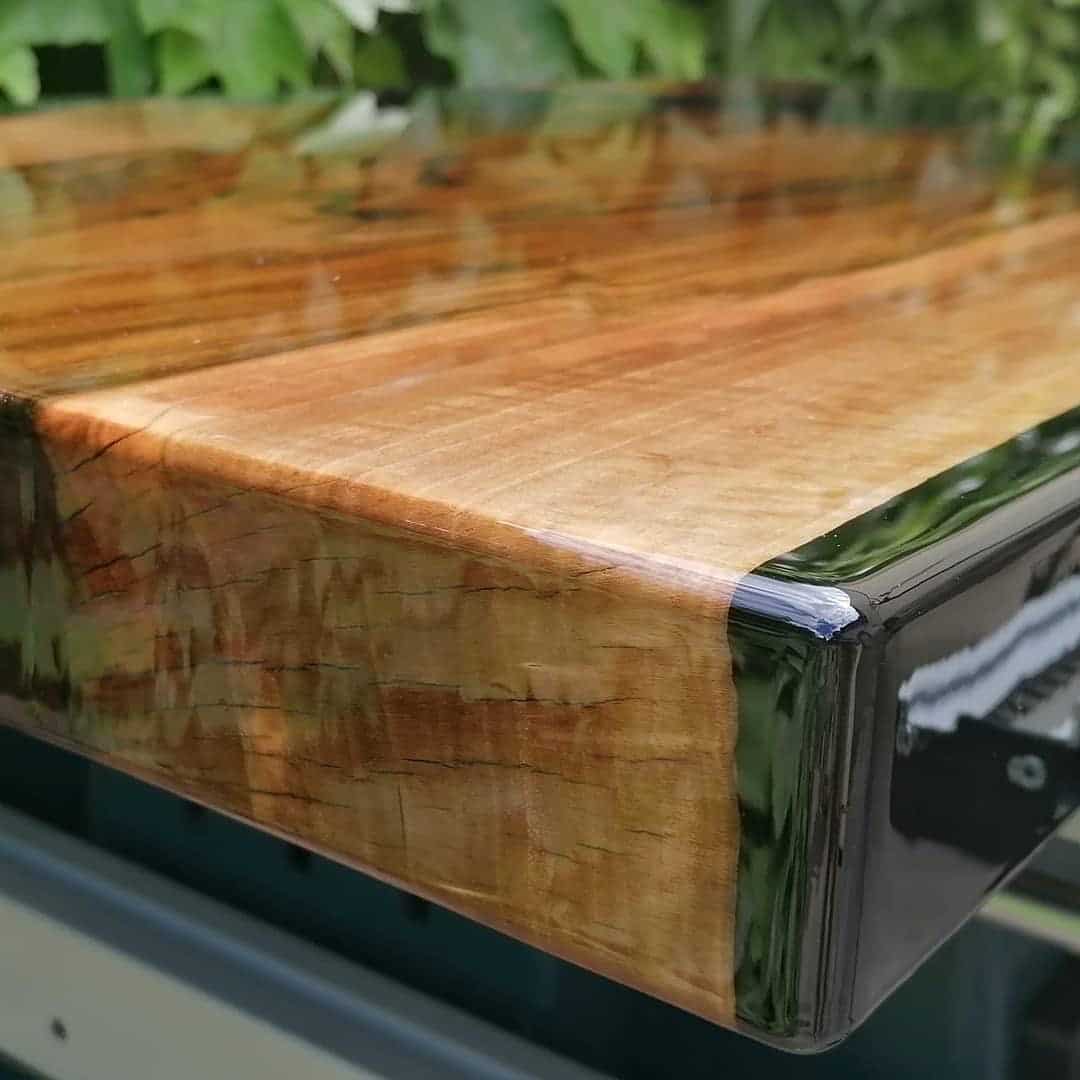
Building a resin shower tray not only adds a modern design element to your bathroom, but also delivers a seamless, watertight solution that stands up to regular moisture and heavy use. This guide walks you through essential steps for creating a sturdy, lasting resin shower tray, giving careful attention to surface preparation, pouring technique, and final finishing. Whether for new builds or renovations, you can achieve a custom look and professional-level durability with the right approach.
What You’ll Need
- “Epoxytable 10-Ten” – Deep Pour Epoxy Resin for Tables, Up to 10cm Casting – For thick, durable tray bases.
- “EpoxyTable 5-Five” – Deep Pour Epoxy Resin for Tables and Large Projects – Up to 5cm – Suitable for thinner bases or as part of layered pours.
- “River-Table” – Complete Kit for Creating Your First Epoxy Resin Table – For beginners seeking comprehensive materials and instructions.
- “Tray” – Complete Resin Tray Kit with Silicone Mould and Colour Dyes – Useful for practice trays or decorative top layers.
- Moisture-proof substrate board (e.g. waterproof MDF or cement board)
- Formwork materials (straight-edged wood or plastic strips, sealing tape)
- Release agent or wax for formwork
- Spirit level
- Safety gloves, goggles, and mask
- Mixing buckets and stirrers
- Silicone sealant (for waterproofing edges after cure)
- Sandpaper and polishing pads (finishing)

Tools and Setup for Building a Resin Shower Tray
Key preparation makes all the difference: Use moisture-proof boards, high-quality epoxies and a spirit level for perfect results. Lay out protective sheets and ensure all mixing and working areas are ventilated and dust-free to keep contaminants away from your resin pour.
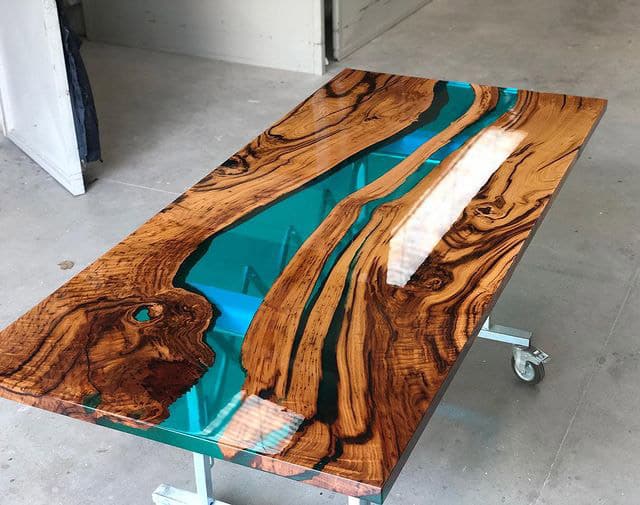
Step 1: Prepare the Base and Substrate
Begin by selecting a perfectly flat, stable, and moisture-resistant substrate—such as a waterproof MDF or cement board—large enough for your intended shower tray dimensions. Carefully measure and cut the substrate, making certain it will fit your shower enclosure with appropriate drainage slope (usually 1–2% gradient towards the drain hole). Mark the drain position and create any required cut-outs with precision.
It is vital to protect the entire base from moisture penetration over time. Seal the bottom and edges of your substrate using a reliable waterproof primer or membrane. Allow the substrate to dry thoroughly before moving on to the next step to prevent trapped moisture that could compromise the resin’s adhesion or cure.
Always check compatibility with your chosen resin before starting – especially if working over unconventional bases.
Step 2: Build the Formwork and Ensure Level
Construct edge formwork around the perimeter of your substrate using straight wooden or plastic strips securely fixed in place. These will contain the resin and define the tray’s outer walls. Apply release agent or wax to all inner faces of your formwork to ensure easy removal after curing. Triple-check that your tray is positioned level in all directions using a spirit level, making subtle adjustments as needed.
Any gaps between formwork and base must be sealed tightly to prevent resin leaks. Tape and caulk are effective, but ensure all materials are compatible with epoxy resins. If you intend to incorporate a tiled or textured finish, fix texture templates or inserts inside the formwork at this stage.
Take extra care with moisture barriers and substrate levelling – thorough preparation avoids costly errors later on.
Step 3: Mix and Pour Your Resin Layers
With the formwork in place, measure out your chosen resin and hardener in accordance with the manufacturer’s ratio, mixing thoroughly in a clean bucket. For deep shower tray bases (5–10cm), “Epoxytable 10-Ten” – Deep Pour Epoxy Resin for Tables, Up to 10cm Casting is an optimal choice due to its low-exothermic reaction, high clarity, and strong moisture and heat resistance, giving you a working time suitable for precise pouring.
For base heights between 2–5cm, or if layering is needed to avoid overheating, “EpoxyTable 5-Five” – Deep Pour Epoxy Resin for Tables and Large Projects – Up to 5cm is a reliable alternative. Pour resin in gradual layers, allowing each to gel before topping up, to minimise heat generation and bubble entrapment.
Avoid pouring resin too thick in a single layer as this can lead to exothermic spikes, warping, or cloudiness – always follow product guidelines for maximum pour depth.

Step 4: Finishing, Demoulding and Waterproof Sealing
Once the final resin layer has fully cured (time will vary based on pour size and temperature), carefully remove all formwork. Using progressively finer sandpaper and polishing pads, smooth any sharp edges or surface imperfections. If desired, use a polishing kit to bring out a high-gloss finish or create non-slip textures depending on your safety requirements.
Pay attention to joint sealing: apply a quality silicone sealant to all tray-edge junctions, especially where the tray meets shower walls or enclosure. This final step ensures lasting watertight protection. Wait the manufacturer’s recommended period before installing the tray or subjecting it to water.
Use a high-quality sealant for all edge joints to reinforce moisture protection and keep your installation stable over time.

Tips, Common Mistakes and Troubleshooting
Achieving a flawless result demands patience and attention to condition-specific details. Always allow each layer to cure completely before pouring the next or proceeding to finishing. Environmental factors—such as humidity and ambient temperature—can strongly affect resin cure, clarity, and adhesion.
If you’re new to resin work, practice on smaller tray moulds (such as the “Tray” – Complete Resin Tray Kit with Silicone Mould and Colour Dyes) before attempting a full tray. This helps master mixing, pouring and level control. For extra guidance, a beginner-friendly kit like “River-Table” – Complete Kit for Creating Your First Epoxy Resin Table includes step-by-step instructions and polishing supplies to build confidence.
Allow each layer to cure fully before moving to the next step – rushing can lead to warping, incomplete bonding or hazy finishes.
Finishing Touches and Aftercare Advice
Protect your new resin shower tray for years: Wipe down surfaces with gentle, non-abrasive products and avoid harsh chemicals. Reseal edges with silicone as necessary to maintain a waterproof barrier, and keep drain areas clear to prevent standing water or long-term staining.

- “Epoxytable 10-Ten” – Deep Pour Epoxy Resin for Tables, Up to 10cm CastingPrice range: £33.85 through £334.85“Epoxytable 10-Ten” is suitable for deep pours up to 10cm, designed for tables and artistic projects with extended working time and UV resistance.
- "EpoxyTable 5-Five" – Deep Pour Epoxy Resin for Tables and Large Projects – Up to 5cmPrice range: £16.85 through £1,099.85"EpoxyTable 5-Five" is a deep pour epoxy resin designed for tables and large projects with features supporting deep pouring and mechanical resistance.
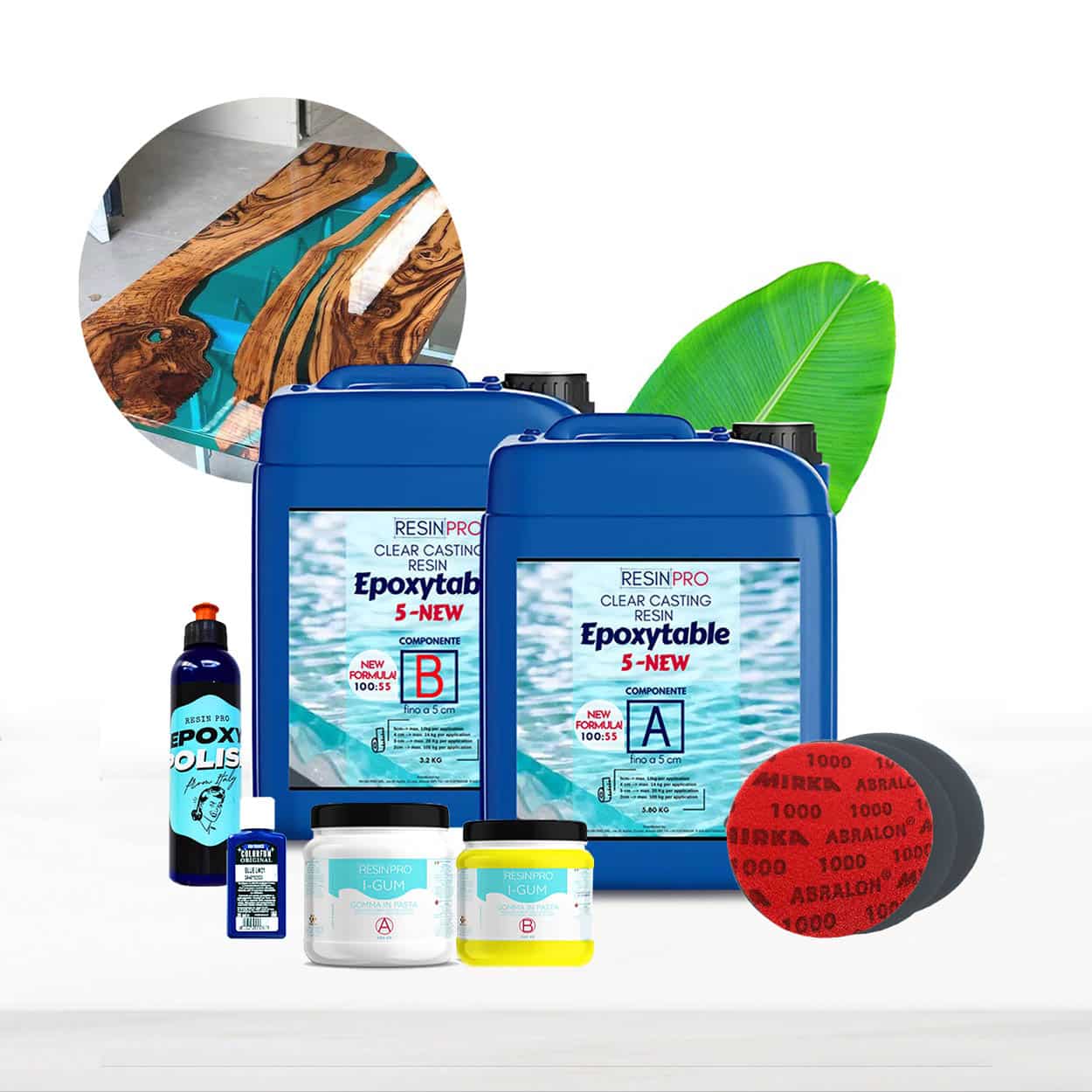 "River-Table" – Complete Kit for Creating Your First Epoxy Resin TablePrice range: £188.85 through £444.85"River-Table" offers a complete starter kit for resin projects, including resin, sealant, pigment and polishing for creative resin and wood tables.
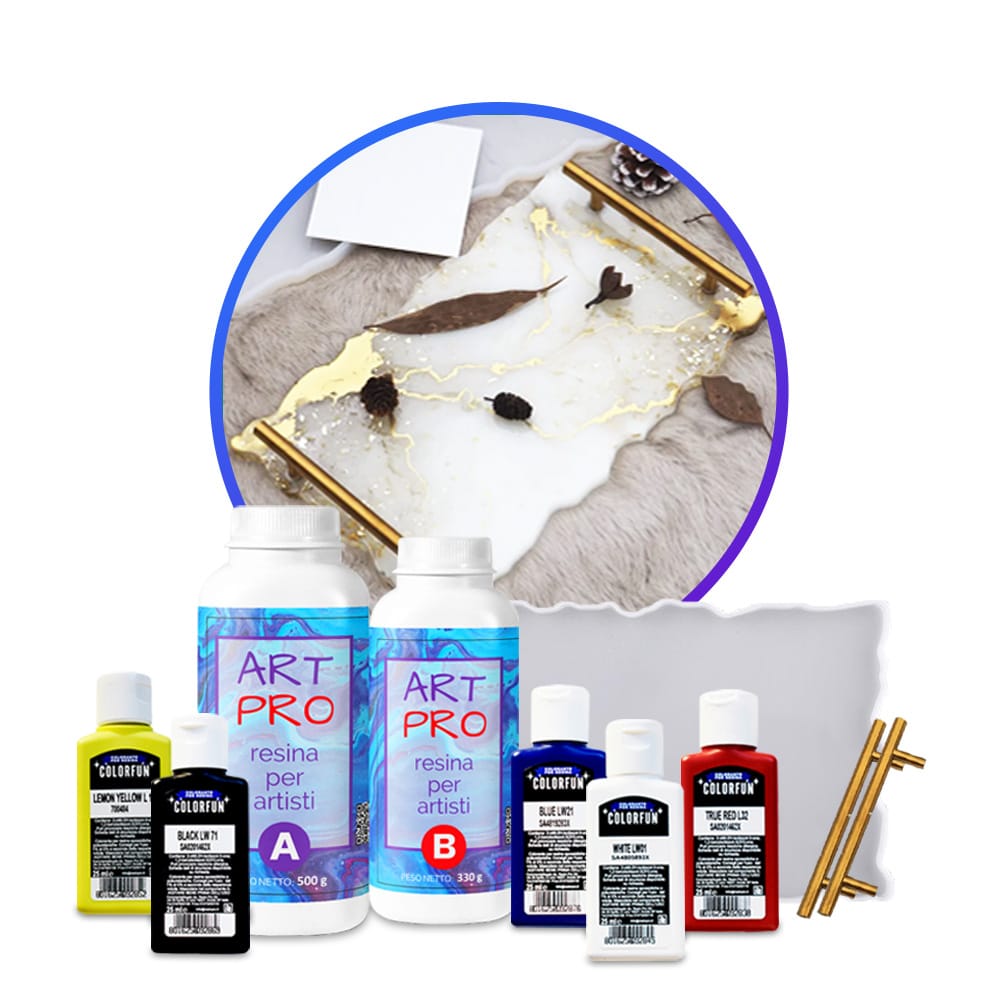 "Tray" – Complete Resin Tray Kit with Silicone Mould and Colour Dyes£54.85"Tray" kit provides resin, mould, handles, and dyes to craft unique resin trays in a creative and user-friendly way.
Frequently Asked Questions
What resin is best for casting a thick shower tray base?
For bases up to 10cm thick, 'Epoxytable 10-Ten' is ideal due to its low-exothermic reaction and moisture resistance.
Can I build a resin shower tray in multiple layers?
Yes, pouring in layers reduces overheating risk and helps achieve consistent curing for thicker shower trays.
How long does a resin shower tray take to fully cure?
Cure times depend on thickness and resin used. Deep pour resins require 48–72 hours before handling, with full strength at 7 days.
How do I make the surface of a resin shower tray non-slip?
You can create non-slip textures using inserts placed in the formwork or by adding texture to the final cured surface during finishing.
What type of substrate is suitable under a resin shower tray?
Use a moisture-proof, stable substrate like waterproof MDF or fibre-cement board to prevent water damage and ensure longevity.
What are common mistakes to avoid when building a resin shower tray?
Pouring resin too thickly, poor surface preparation, and improper sealing at the edges are the most frequent errors.
Are resin tray kits suitable for practice before making a full shower tray?
Yes, tray kits allow you to practise resin pouring and finishing techniques before committing to a large project.