 Free shipping on orders over £29,85
  Shipping Tracking!


 Google
 Facebook
← Back to How to make resin cabochons?
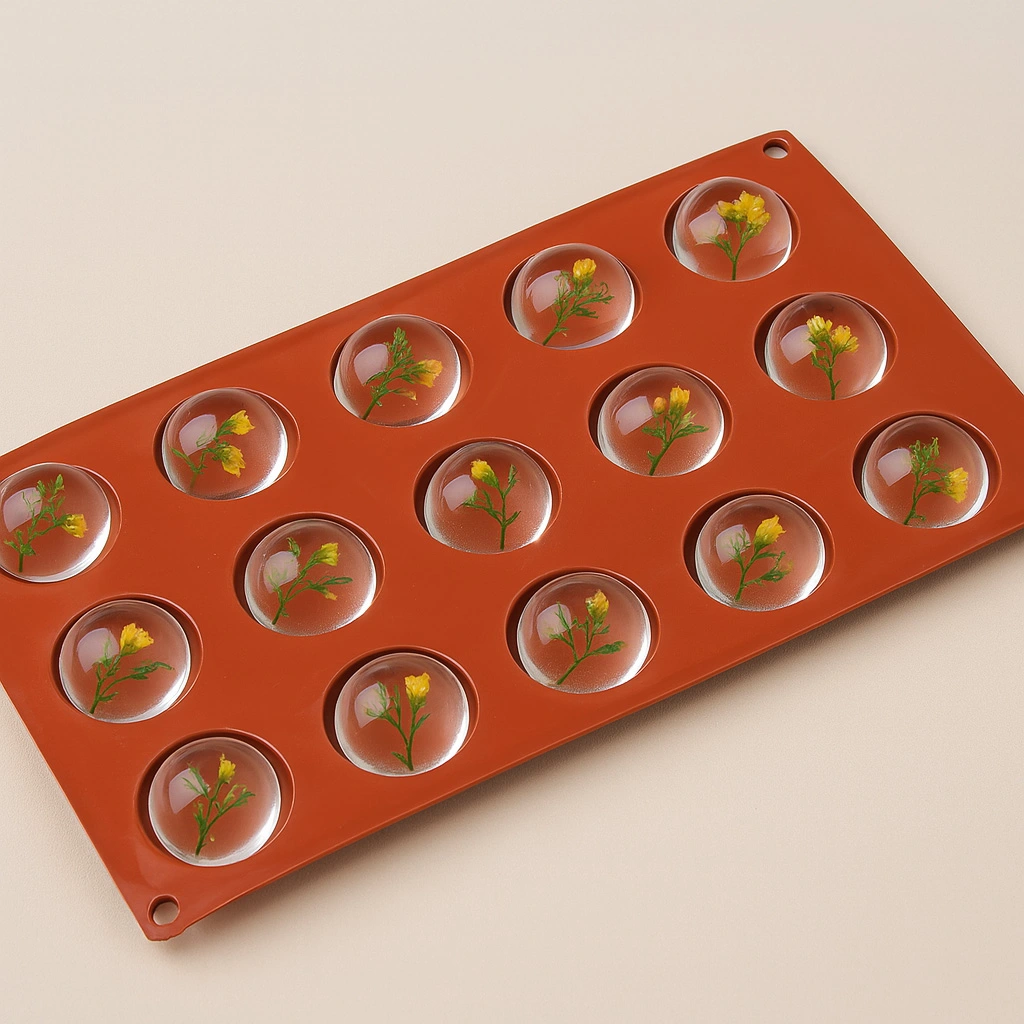
Creating resin cabochons is a delightful craft, but it’s important to take proper safety precautions to protect your health and ensure a hassle-free experience in your workspace.
Essential Protective Gear
Always wear disposable or reusable gloves that provide a barrier between your skin and uncured resin. Consider using safety glasses to guard against accidental splashes, especially when pouring or mixing. Protective clothing, such as an old apron or long sleeves, will help prevent spills from contacting your skin or everyday clothes.
Workspace Preparation and Ventilation
Select a well-ventilated area to work in. Open windows or use an extraction fan if possible, as good airflow helps to disperse any fumes produced during the mixing and curing process. Lay down disposable coverings or silicone mats to protect surfaces from drips, and keep food and drinks well away from your crafting zone. Following each manufacturer’s safety guidelines for the specific resin you’re using is vital—some resins, such as the One-2-One Epoxy Resin, are formulated for safe use when basic precautions are followed.
Safe Handling and Clean-Up
Avoid direct contact with uncured resin by using dedicated mixing tools and wiping up spills immediately. If you do get resin on your skin, wash the affected area promptly with soap and water—never use solvents. Dispose of any resin waste according to local guidance. Once your project has cured, be sure to wash your hands thoroughly before eating or touching your face.
When This Matters
- If you’re working with resin frequently or in a household with children or pets, proper setup and handling become even more important to maintain a safe environment.
Related products
Related guides
Mindful safety habits make resin cabochon crafting both enjoyable and worry-free. For a more comprehensive look at techniques, check the full guide on how to make resin cabochons.