 Free shipping on orders over £29,85
  Shipping Tracking!


 Google
 Facebook
← Back to How to build a mould for resin?
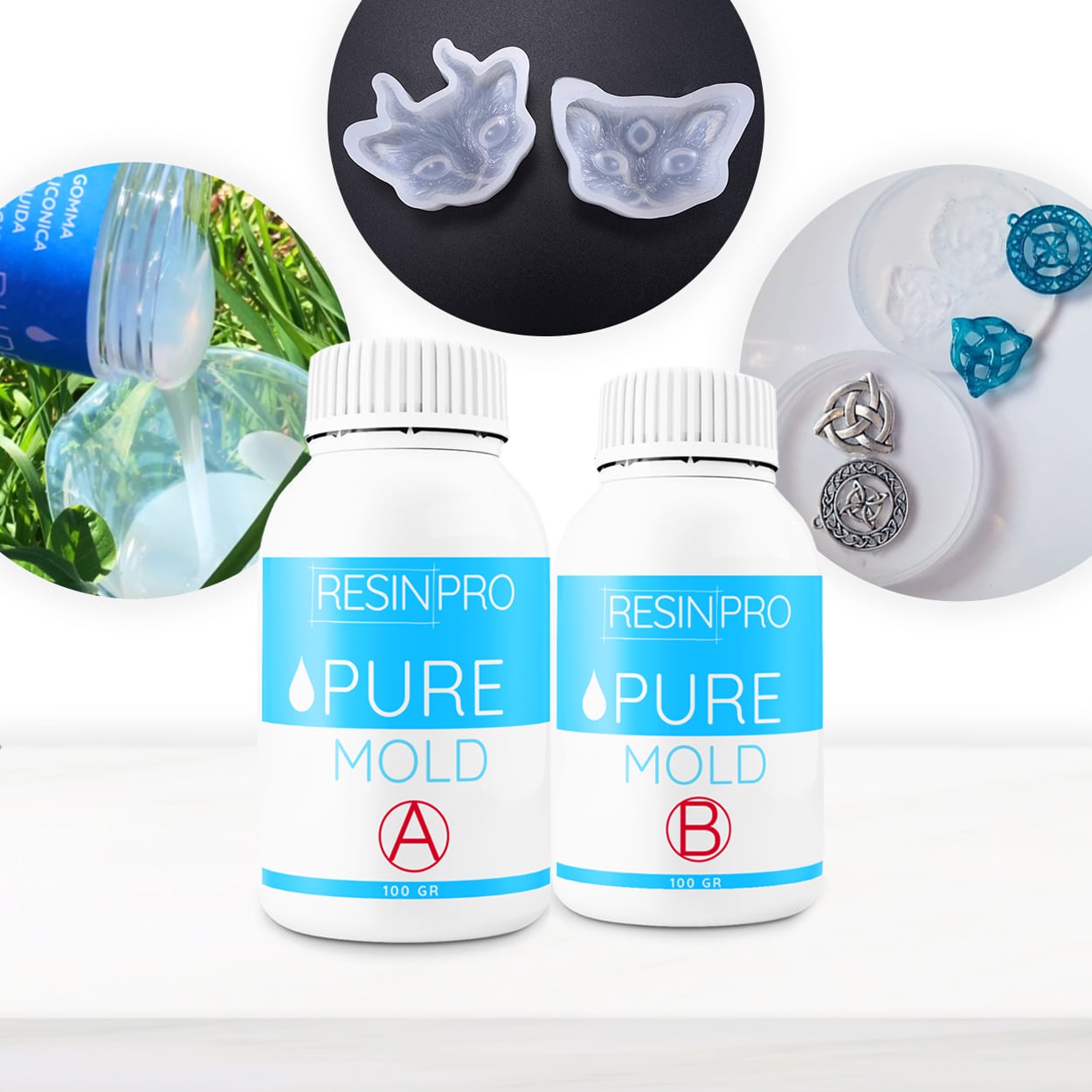
Choosing the right type of mould is a crucial first step to achieving outstanding results with resin casting. The ideal mould depends on your project’s complexity, the type of resin being used, and the finish you desire.
Understanding Resin Mould Materials
Silicone is the most popular material for resin moulds, thanks to its flexibility, non-stick properties, and suitability for detailed work. For highly intricate or professional results, a platinum-based option like the “Pure Mould” Liquid Silicone Rubber offers transparent quality and minimal shrinkage over time. If you’re creating basic shapes or decorative pieces, ready-made silicone moulds—such as hexagons or circles—provide reliable flexibility and are easy to clean and reuse.
Project Considerations and Mould Selection
Consider your project’s requirements. For small, detailed models, flexible silicone rubbers that capture fine textures are ideal. For items like coasters or artistic keepsakes, larger reusable silicone moulds work well and support efficient demoulding. Pay attention to the dimensions and durability of the mould to ensure it aligns with your envisioned creation and fits your workspace.
When Mould Choice Matters Most
If your project involves casting with photos, delicate flowers, or detailed patterns, the right mould helps preserve clarity and detail. Similarly, if you aim to use a mould multiple times, opt for those specifically designed to resist deformation and maintain their non-stick surface use after use.
Related products
Related guides
Selecting a suitable mould not only impacts your project’s quality but also simplifies the casting process. For more tips on mould building and resin techniques, explore our main guide on how to build a mould for resin.