 Free shipping on orders over £29,85
  Shipping Tracking!


 Google
 Facebook
How to create a resin drip effect?
Step-by-step guide to control, apply, and finish stunning resin drips
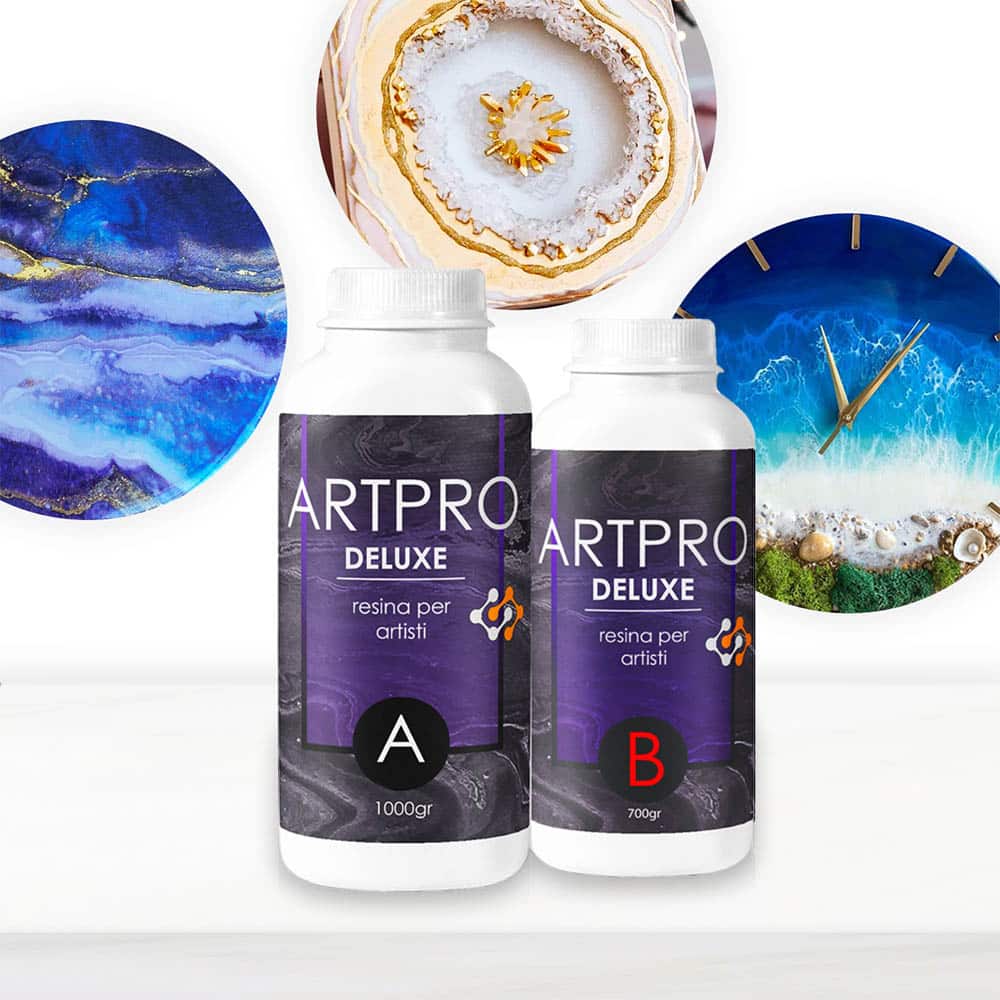

The resin drip effect is a dynamic and eye-catching technique popular in modern art, furniture accents, and home décor. This guide walks you through each step to achieve controlled, professional-looking resin drips, making it ideal for artists, crafters, and DIY enthusiasts ready to add organic flow and movement to their next project.
What You’ll Need
- “Art Pro Deluxe” – Ultra-High Viscosity Epoxy Resin for Artists: Offers excellent control for sharp drips and defined edges.
- “LatexPro” – Protective Liquid Latex Coating for Artists and Creative Projects: Shields surfaces and keeps your work area tidy.
- “EpoxyTable 5-Five” – Deep Pour Epoxy Resin for Tables and Large Projects – Up to 5cm: Suitable for drip effects on larger or thicker items such as tables.
- “One-2-One” – Epoxy Resin for Handcraft, 1:1 Mixing Ratio: Good for smaller crafts and simpler mixes.
- Mixing containers, stir sticks, nitrile gloves, and disposable aprons
- Drop cloths or plastic sheets for table protection
- Measuring tools
- Masking tape (optional)

Visual Inspiration: Resin Drip Effects in Modern Art
Explore a curated gallery featuring distinct resin drip effects on canvases, table edges, and decorative panels. Notice the variation in drip thickness, colour interaction, and edge control—these are shaped by resin viscosity and application method. Use these visuals to conceptualise your project’s layout before starting. Careful planning and product choice can help you achieve similarly impressive drip patterns and clarity.

Step 1: Prepare Your Workspace and Protect Surfaces
Preparation is key for a mess-free, successful resin drip project. Cover your workspace with plastic sheets or drop cloths. Always wear protective gloves and work in a well-ventilated area to minimise exposure to resin fumes. Remove any items from your workspace that could come into contact with drips and set up your project at an angle or on a raised rack to encourage gravity-driven flow.
Apply protective coatings to areas you do not want resin to reach. Using “LatexPro” – Protective Liquid Latex Coating for Artists and Creative Projects is highly effective for masking off surfaces or edges; simply apply, allow to dry, and peel away after your resin sets. This step is especially important for maintaining clear lines or isolating the drip effect to a specific area.
Step 2: Mix Your Resin Carefully
Mix resin thoroughly but avoid introducing bubbles. Select your resin based on your desired effect: use “Art Pro Deluxe” – Ultra-High Viscosity Epoxy Resin for Artists for crisp, well-defined drips; for large-scale or deeper pours, “EpoxyTable 5-Five” is suitable. Always follow the specific mixing ratios and timings provided by the manufacturer, and use clean, dry tools for each batch. Mix slowly, scraping the sides and bottom of your cup to ensure an even cure.
If working on smaller pieces or with beginners, “One-2-One” – Epoxy Resin for Handcraft, 1:1 Mixing Ratio offers stress-free preparation and a glossy finish. Keep resin quantities manageable to avoid premature setting.
Step 3: Create the Drip Effect
With your base piece set up and resin mixed, begin introducing resin to the edge or section where you want the drip to form. Use a stir stick or disposable pipette to drop small amounts of resin just over the edge, letting gravity do its work. Control drips by varying the amount dispensed or adjusting the incline of your surface. Allow the drips to flow naturally by adjusting the angle or adding more resin sparingly—forcing flow with tools can create streaks or disrupt surface tension.
For sharp lines and vibrant colour separation, Art Pro Deluxe is particularly helpful, as its viscosity resists colour bleeding and pooling. Experiment with layering or tilting the workpiece to achieve unique drip patterns, but avoid excessive manipulation once drips begin to form.

Step 4: Cure and Finish with Care
The curing stage is essential for lasting, professional results. Ensure your workspace remains dust-free and undisturbed while the resin sets. Monitor curing times carefully for crisp edges—removing any protective coatings like LatexPro too early may disturb the resin, while waiting too long could make removal difficult. Once cured, assess your work: sand any sharp drips if desired, or leave pronounced textures for extra character.
Inspect the final finish under different angles of light to catch any missed areas or imperfections. If necessary, a clear topcoat can enhance durability and gloss, especially on functional items like trays or furniture edges.

Tips, Common Mistakes, and Troubleshooting
- Avoid overloading edges with resin, which can lead to pooling below and uneven curing.
- Do not rush mixing—unblended resin can leave tacky spots or dull patches.
- For best results, keep the workspace temperature stable (ideally 18–24°C).
- If drips are too thin or fast-flowing, try a thicker resin like Art Pro Deluxe for increased control.
- When using protective barriers, double-check coverage before pouring to avoid permanent marks on unprotected areas.
Surface Protection and Result Gallery
See how properly applied surface protection, such as LatexPro, enables clean drip lines and effortless clean-up. Compare project outcomes when different resins are used for the drip technique. Notice how high-viscosity resins provide bold lines, while deep pour resins are best for organic, flowing effects on large surfaces.

- "Art Pro Deluxe" – Ultra-High Viscosity Epoxy Resin for ArtistsPrice range: £33.85 through £287.85"Art Pro Deluxe" offers ultra-high viscosity epoxy resin suitable for artists needing precise line control in resin art, aligned with the drip effect…
- "LatexPro" – Protective Liquid Latex Coating for Artists and Creative ProjectsPrice range: £10.15 through £18.85LATEXPRO provides a strong barrier to protect surfaces from resin drips, suitable for artists working with fabric and special effects.
 "EpoxyTable 5-Five" – Deep Pour Epoxy Resin for Tables and Large Projects – Up to 5cmPrice range: £16.85 through £1,099.85"EpoxyTable 5-Five" is a deep pour epoxy resin suitable for tables and artistic projects with a long working time and low viscosity.
 "One-2-One" – Epoxy Resin for Handcraft, 1:1 Mixing RatioPrice range: £14.85 through £56.85"One-2-One" epoxy resin offers a medium viscosity and a simple 1:1 mixing ratio suitable for various decorative and jewellery crafting needs.
Frequently Asked Questions
Which resin should I choose for crisp, controlled resin drips?
"Art Pro Deluxe" is ideal for sharp drip lines and precise flow thanks to its ultra-high viscosity.
What’s a reliable way to keep surfaces free of unwanted resin during drip effects?
Apply "LatexPro" liquid latex as a removable barrier to shield work areas from resin runoff.
Is the resin drip effect suitable for beginners?
Yes, with the right resin and preparation, even first-timers can create beautiful resin drips.
What should I do if resin drips go where they're not wanted?
Remove accidental drips immediately with a protective coating or by sanding cured resin gently.
Why are my resin drips uneven or running too quickly?
Low resin viscosity and excessive resin can cause uncontrolled drips. Switch to a thicker resin for better results.
How long should I wait for resin drips to fully cure?
Cure times range from 10 to 24 hours depending on resin type and ambient temperature. Check product guidelines.