 Free shipping on orders over £29,85
  Shipping Tracking!


 Google
 Facebook
← Back to How to make DIY epoxy resin?
Discovering that your epoxy resin remains tacky after curing is a common frustration for DIY crafters and resin artists. Sticky resin is usually a sign of simple preparation missteps, but it can be resolved with a few careful checks and best practices.
What Causes Sticky Epoxy Resin?
Sticky or tacky finishes typically result from inaccurate measuring or incomplete mixing of the resin and hardener. Epoxy resins rely on precise chemical reactions; even small errors in the ratio or mixing process can leave the surface soft and sticky instead of glossy and hard. Always follow your product’s instructions carefully, as the required ratio may vary and using the wrong proportions or mixing tools can cause curing issues.
How to Avoid & Resolve Stickiness
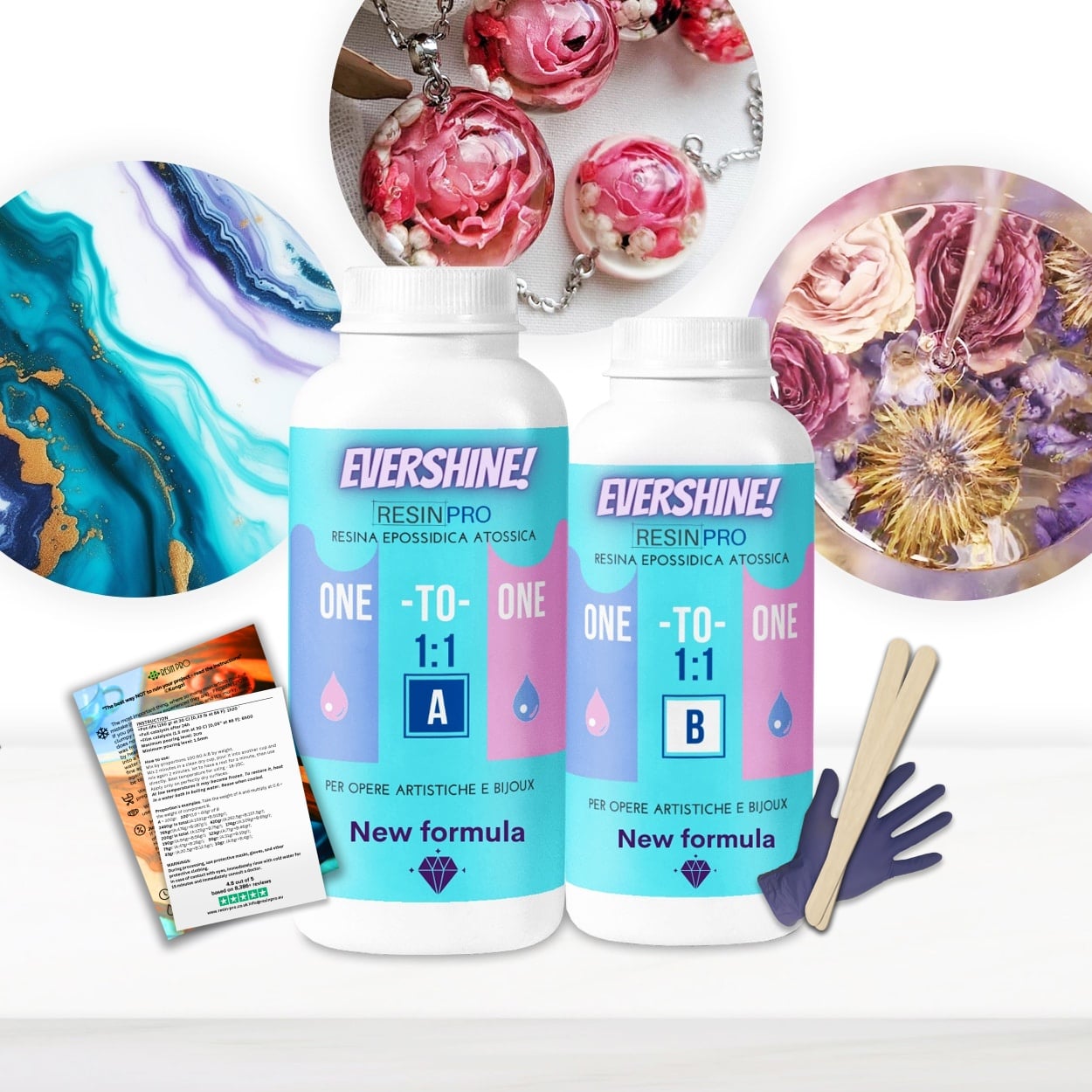
For best results, measure each part of your resin by the recommended method—whether by volume or weight—and combine them thoroughly. Products like the One-2-One Epoxy Resin simplify this step with a straightforward 1:1 volume ratio, helping you achieve reliable results. Stir gently but thoroughly, scraping the sides and bottom of your mixing container to avoid unmixed areas. If you do end up with a tacky surface, you may be able to scrape away the sticky layer and re-coat with a fresh, properly mixed batch.
When Sticky Resin Matters Most
A sticky finish can affect both the look and durability of your work—particularly for items meant to be handled or worn, such as jewellery, coasters, or decorative crafts. It’s especially important to perfect your measuring and mixing technique when making items for gifts or sale.
Related products
Related guides
By understanding the reasons behind sticky epoxy resin and following reliable preparation steps, you can confidently create hardened, lasting pieces. For more guidance on working with resin, see our main guide on how to make DIY epoxy resin.