 Free shipping on orders over £29,85
  Shipping Tracking!


 Google
 Facebook
How to make DIY epoxy resin?
Step-by-step guide for safe and striking resin creations at home
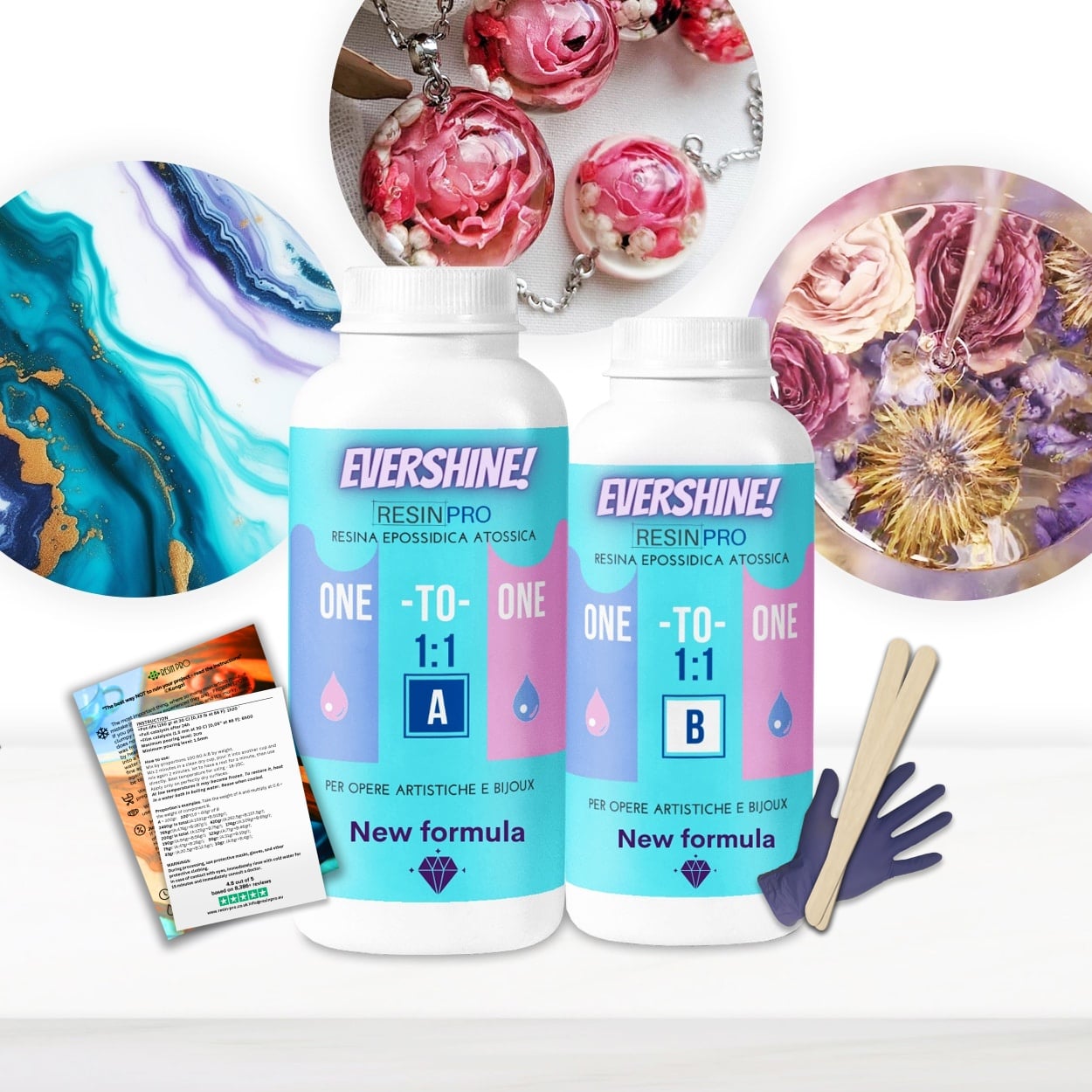

Creating your own epoxy resin crafts at home unlocks boundless creative potential, enabling you to make bespoke jewellery, decorative items, and even furniture pieces. This guide will walk you through the fundamental steps and techniques for making DIY epoxy resin, ensuring your projects are stunning and robust whether you’re a novice or an experienced maker.
What You’ll Need
- “One-2-One” – Epoxy Resin for Handcraft, 1:1 Mixing Ratio – for jewellery and small decorative projects
- “Evershine Collection” – Artisan Jewellery Epoxy Resin Kit with 100+ Accessories – ideal if you want a complete creative kit, including accessories and pigments
- “River-Table” – Complete Kit for Creating Your First Epoxy Resin Table – designed for larger-scale furniture and table projects
- “ICreation” – Fast Epoxy Resin, 6h Demoulding, Transparent Gloss Finish – for time-critical projects or rapid demoulding needs
- Protective gloves and apron
- Silicone or plastic mixing cups
- Wooden or silicone mixing sticks
- Level work surface
- Decorative items (e.g., pigments, glitter, dried flowers as desired)
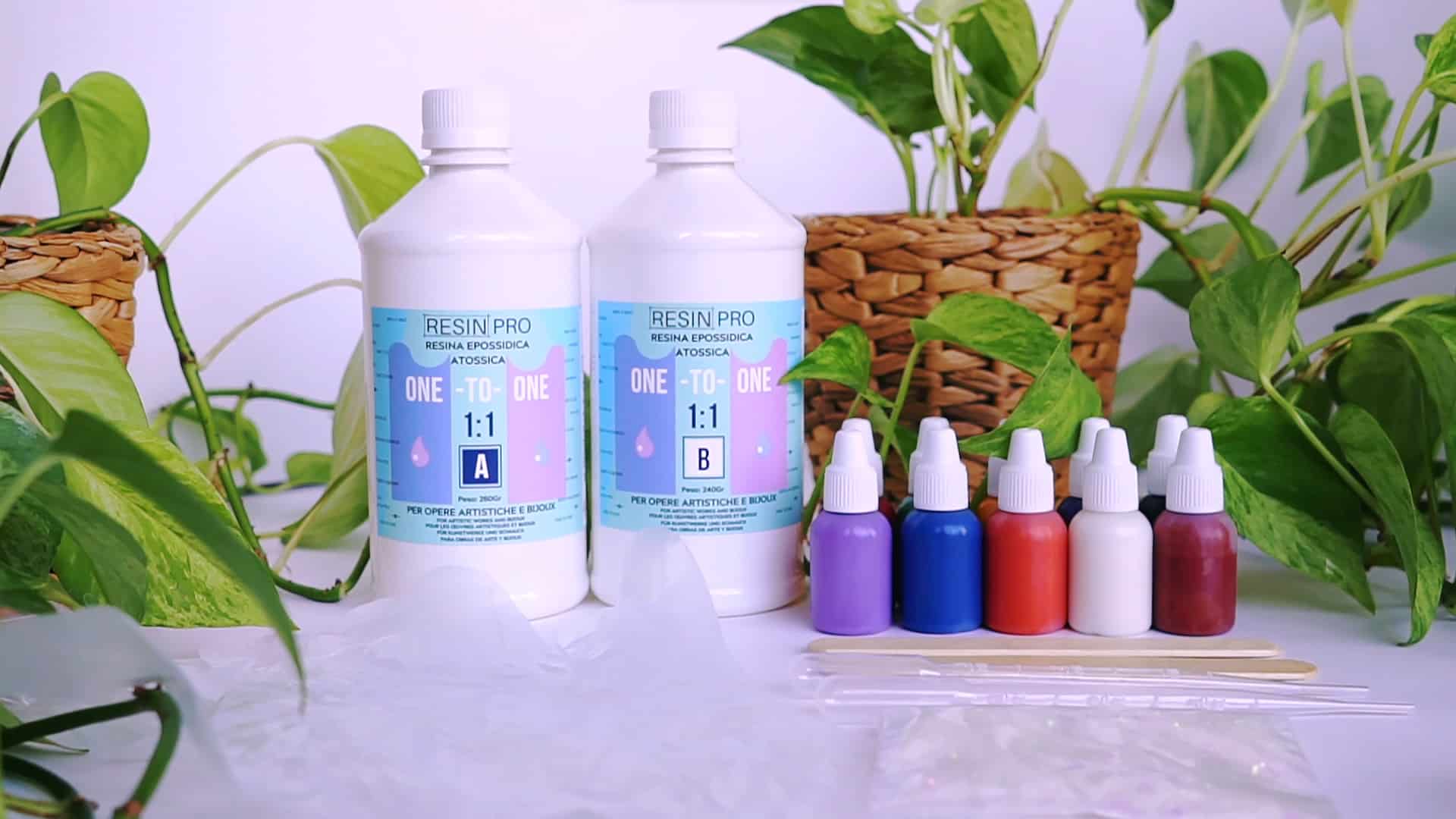
Essential DIY Epoxy Resin Setup
Lay out all your materials and protective gear before starting. Ensure tools, moulds, and resin are ready—organising your workspace helps avoid mistakes and streamlines the crafting process.

Step 1: Prepare Your Workspace and Safety
Begin by selecting a clean, dust-free, and well-ventilated area for your project. Cover your work surface with a protective sheet or disposable cover to prevent any accidental spills from damaging furniture. Proper ventilation is key to dispersing fumes.
Always wear gloves when working with epoxy resin, and consider wearing a protective apron or old clothing. Keep children and pets clear of the workspace. Ensure all your tools, moulds, and decorative elements are organised and within reach before you start mixing.
Step 2: Measure and Mix Your Epoxy Resin
Accurate measurement is crucial for a strong, flawless cure. Many popular DIY resins, such as the “One-2-One” – Epoxy Resin for Handcraft, 1:1 Mixing Ratio, use a simple 1:1 ratio by volume, making it easy for beginners and reducing errors. Always check your product instructions for the exact mixing ratio.
Carefully pour equal parts resin and hardener into a mixing cup. Stir thoroughly for several minutes, scraping the sides and bottom as you go. Mix until colour streaks disappear for a uniform, bubble-free blend. Rushing this process can result in sticky or soft patches in your finished piece.
Step 3: Add Colours and Embellishments
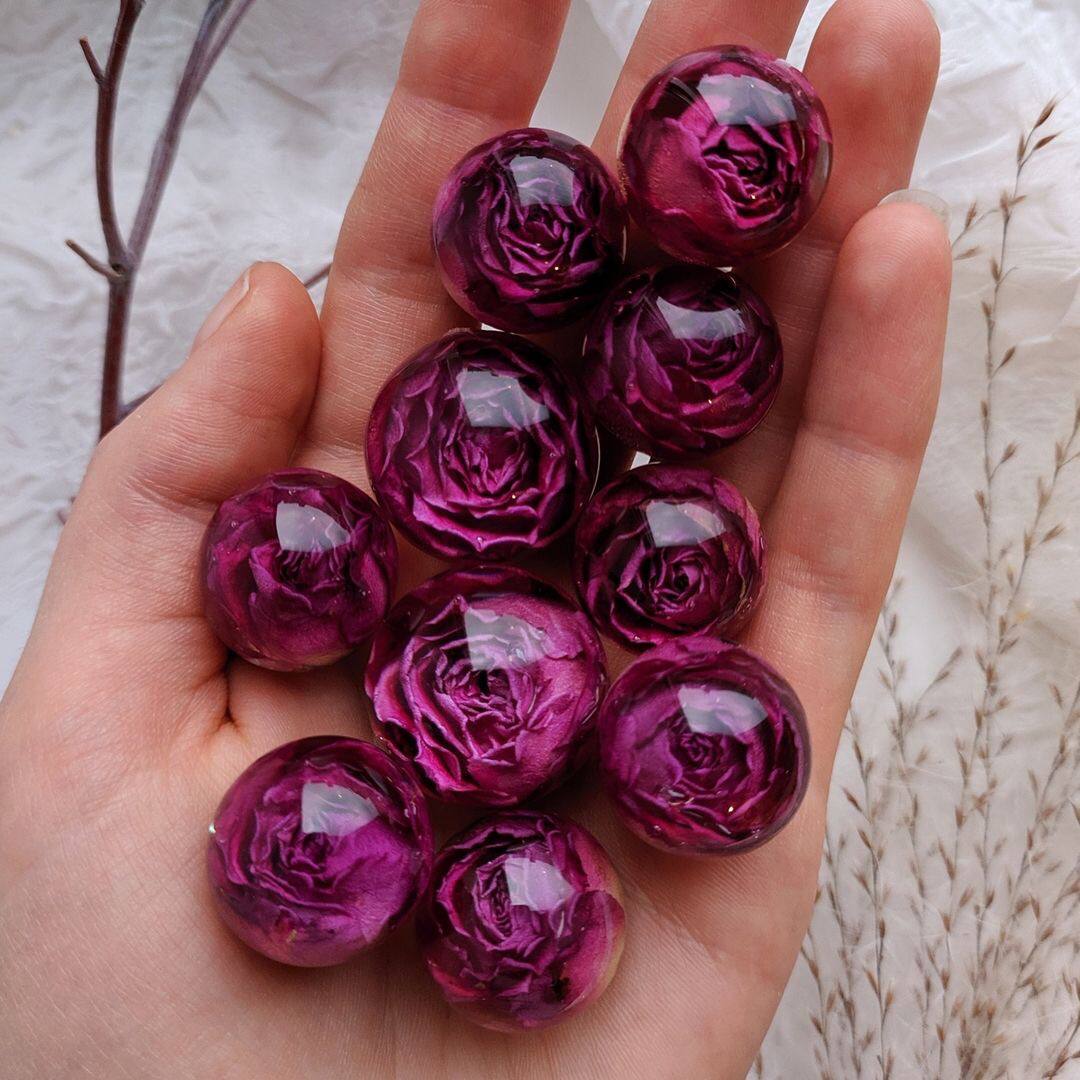
Once the resin is fully blended, you may add colour pigments, glitters, or natural items such as dried flowers. Products like the “Evershine Collection” – Artisan Jewellery Epoxy Resin Kit with 100+ Accessories include a variety of pigments and decorative extras specifically formulated for easy blending and vibrant results.
Add pigments a little at a time, mixing thoroughly between additions. Take care not to overload with colourants, as this may affect curing and clarity. For delicate incorporations like flowers or inclusions, pour a thin base layer, place your items, and then pour the remaining resin.
Step 4: Pour and Cure the Resin
With everything prepared, it’s time to pour the resin into your chosen mould or onto your workpiece. Pour slowly to minimise bubbles, allowing the resin to flow evenly. For deep-pour or large-scale projects such as tables, the “River-Table” – Complete Kit for Creating Your First Epoxy Resin Table provides detailed guidance and specialised resins for thicker applications.
After pouring, use a torch or heat gun lightly over the surface to pop any remaining surface bubbles. Take care not to overheat or scorch the resin. Position your piece on a level surface and cover lightly to prevent dust settling. Allow time for proper curing—refer to your specific resin instructions, as curing times can range from several hours (e.g. 6 hours for “ICreation” – Fast Epoxy Resin) to over 24 hours for deeper casts.
Tips and Troubleshooting for DIY Epoxy Resin
Always measure accurately for best results. Do not guess quantities—always use precise cups or syringes. If resin remains sticky or tacky, it is often due to mis-measured ratios or incomplete mixing.
Avoid working in humid or extremely cold conditions, as these can affect the cure and clarity. If you experience bubbles, mix more slowly and consider pre-warming your resin. For a smoother finish, allow time between pours and follow the manufacturer’s guidelines for layering.
Patience and preparation are the keys to success. Clean up spills promptly with disposable towels, and always dispose of unmixed resin components according to local regulations.
Expert Finishing and Presentation
Allow freshly poured resin to cure in a dust-free environment for a high-gloss finish. Use polishing creams or micro-abrasive pads to buff and add shine once your project is fully cured.
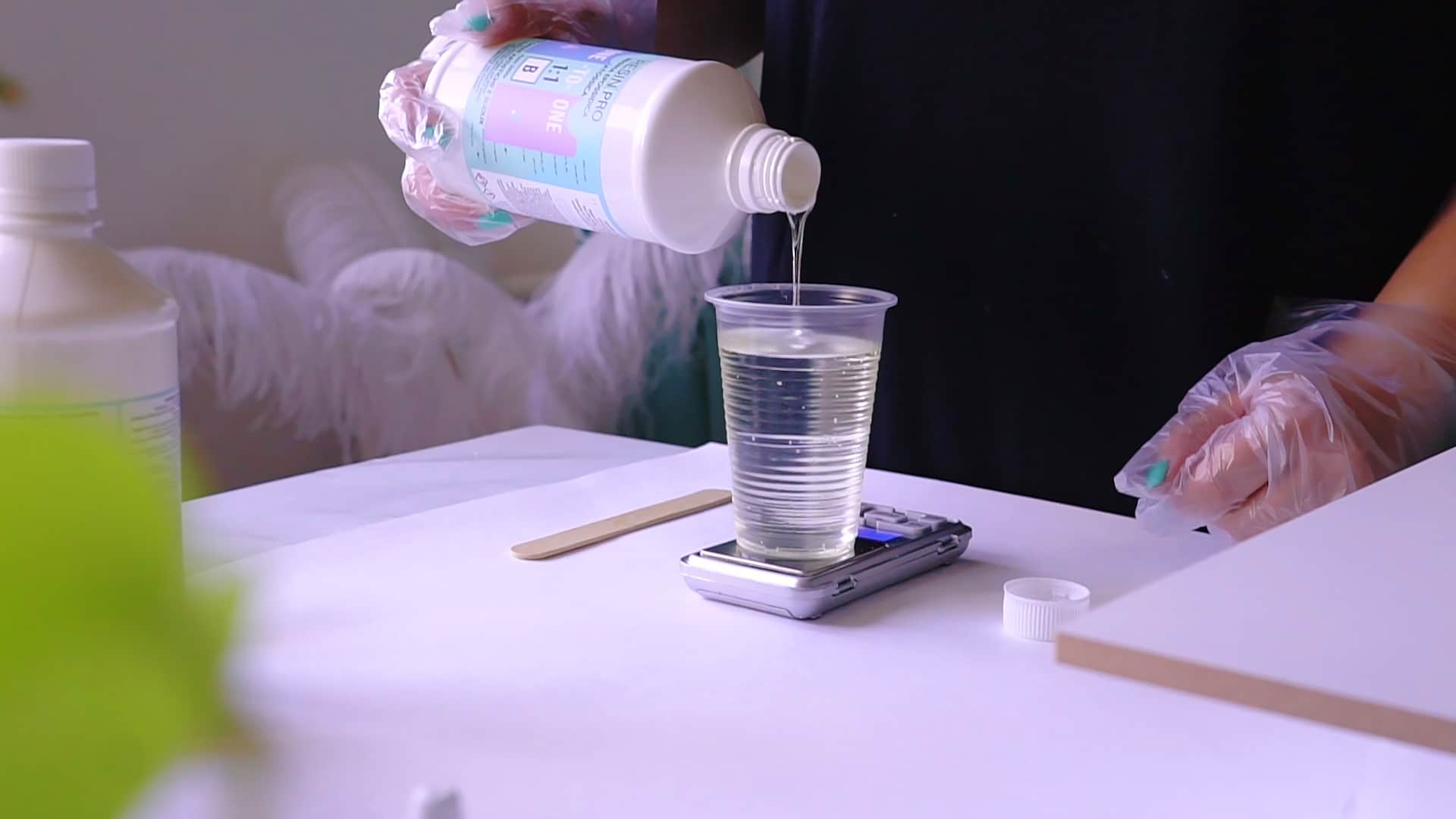
- "One-2-One" – Epoxy Resin for Handcraft, 1:1 Mixing RatioPrice range: £14.85 through £56.85"One-2-One" epoxy resin is a medium viscosity resin with an easy 1:1 mixing ratio, offering clarity and durability for handcraft projects.
- "Evershine Collection" – Artisan Jewellery Epoxy Resin Kit with 100+ Accessories£20.85Complete jewellery kit featuring 1:1 epoxy resin and over 100 accessories for resin crafters and jewellery makers.
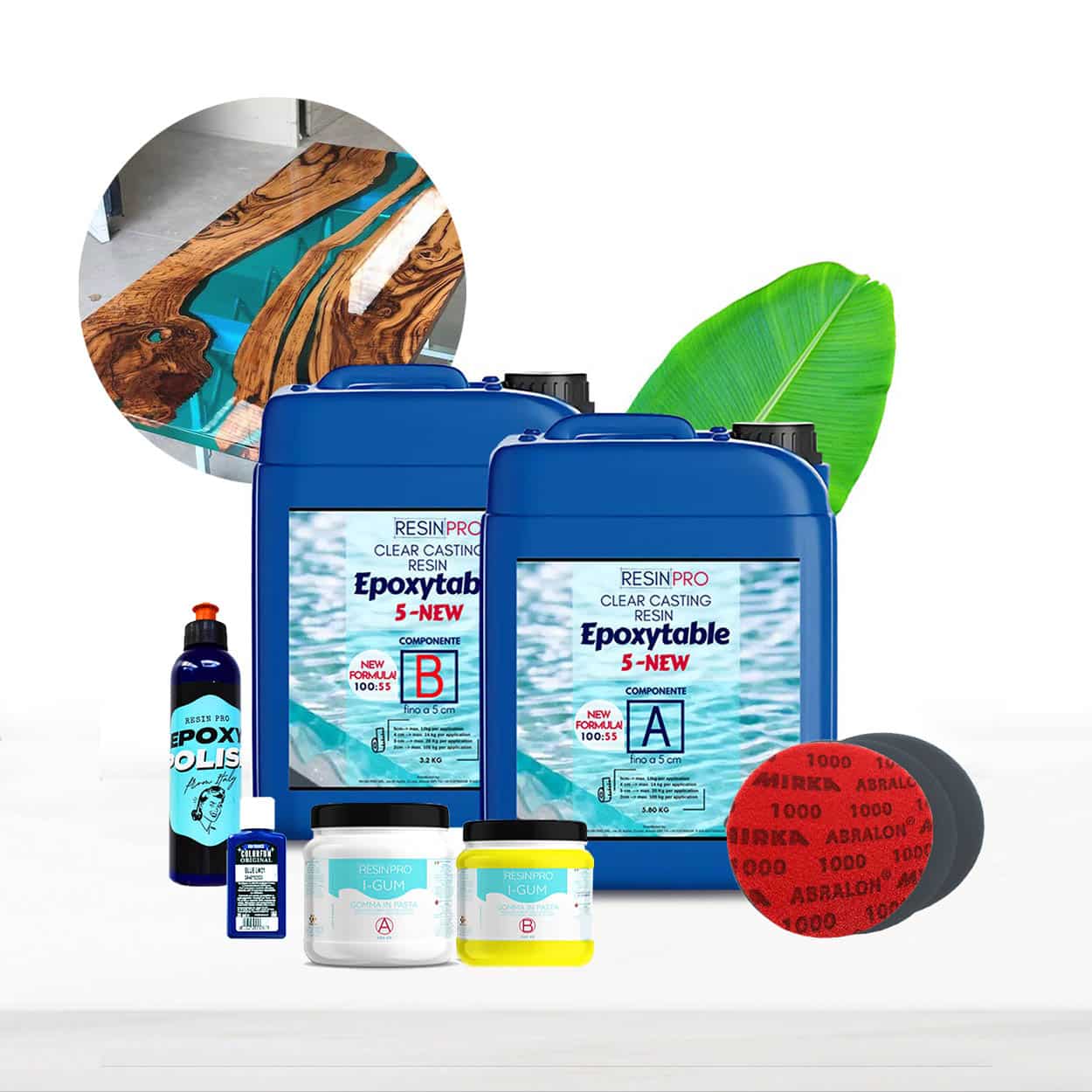 "River-Table" – Complete Kit for Creating Your First Epoxy Resin TablePrice range: £188.85 through £444.85Complete kit including resin, hardener, sealant, polishing set, and pigments for crafting your first wood and resin table.
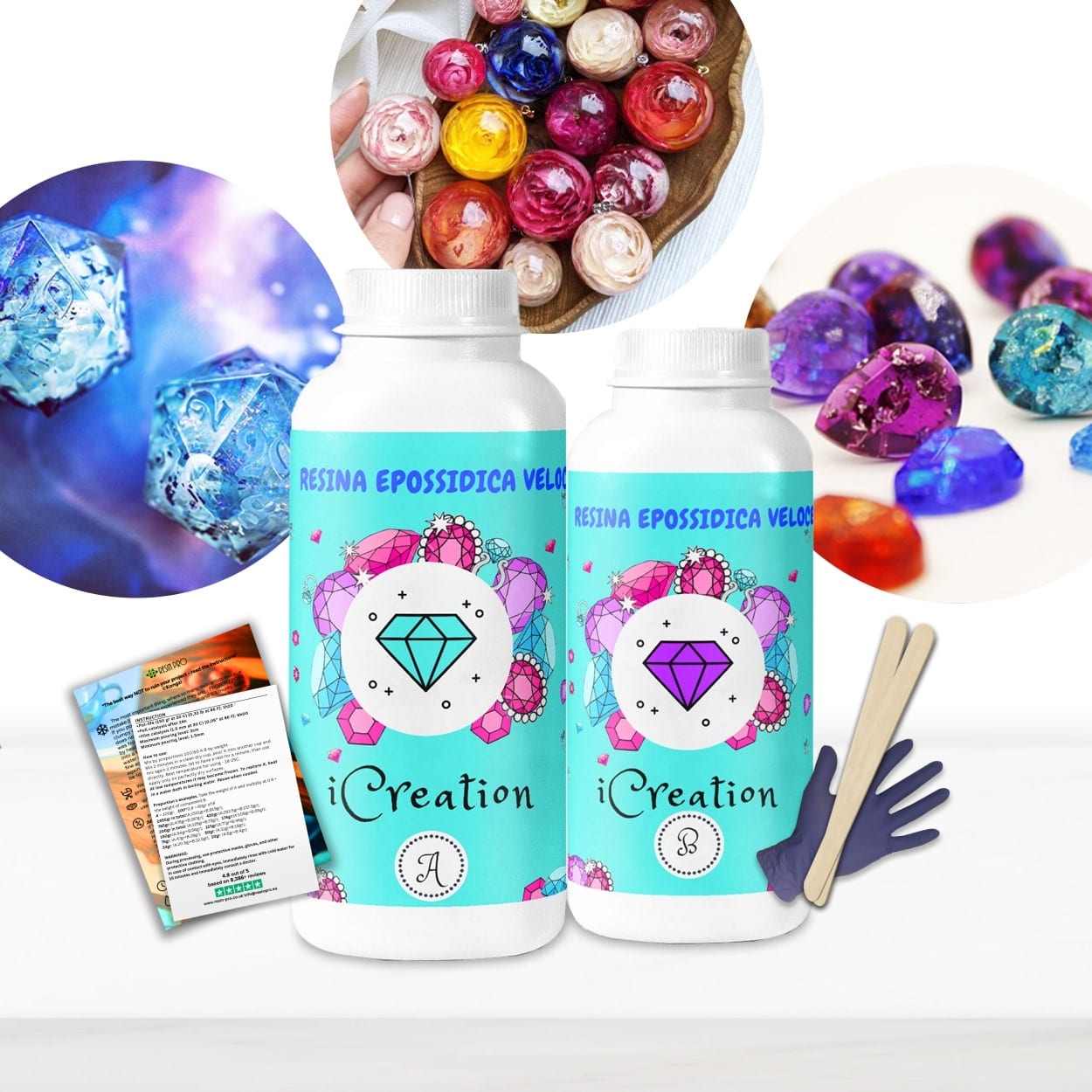 "ICreation" – Fast Epoxy Resin, 6h Demoulding, Transparent Gloss FinishPrice range: £19.40 through £52.85Fast epoxy resin designed for jewellery and crafts with a 6-hour demoulding time and transparent, glossy finish.
Frequently Asked Questions
How do I know the correct mixing ratio for my epoxy resin?
Always refer to the instructions on your resin packaging. Common mixing ratios are 1:1 or 2:1 by volume—check your specific product before use.
Can I add pigments or inclusions to epoxy resin?
Yes, you can customise your project with pigments, glitters, or dried flowers, but avoid overloading to ensure proper cure and clarity.
How do I prevent air bubbles in my DIY resin?
Mix slowly and pour steadily. Use a heat gun or torch to gently pop surface bubbles after pouring for a smooth finish.
Why is my finished epoxy resin sticky?
Stickiness is often caused by inaccurate measurement or incomplete mixing. Double-check ratios and mix thoroughly for best results.
How long does DIY epoxy resin need to cure?
Cure time depends on your resin choice. Fast formulas cure in 6–12 hours, while deeper or larger pours require 24 hours or longer.
What safety precautions should I follow with home epoxy resin?
Always wear gloves, work in a ventilated area, and keep food, children, and pets away from your workstation.
How can I fix minor mistakes in my DIY resin project?
Light sanding and an additional thin resin layer can often correct surface flaws. For sticky resin, remove uncured areas and repour.
What can I make with DIY epoxy resin?
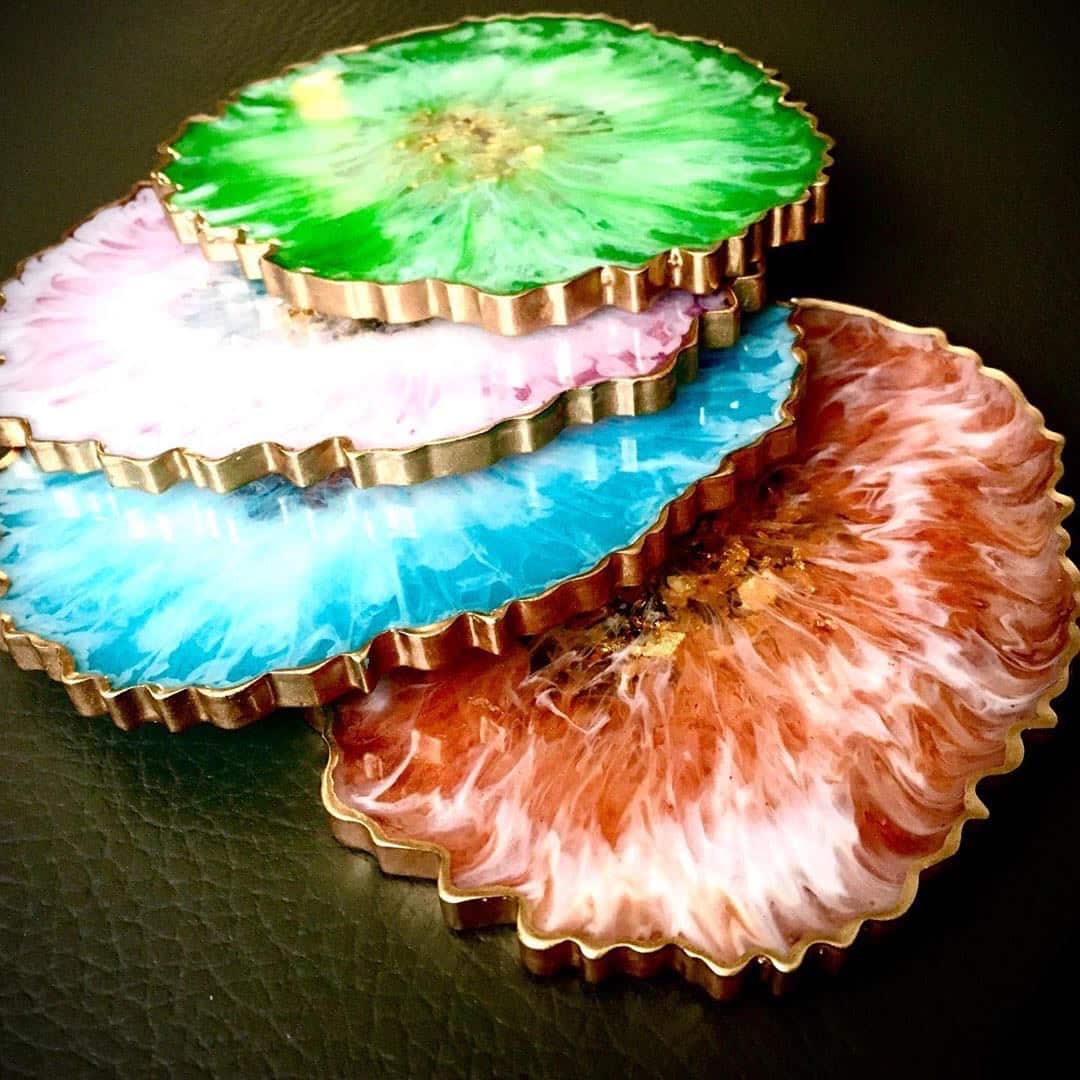
Common projects include jewellery, keychains, coasters, tables, trays, and decorative artwork—choose your resin product accordingly.