 Free shipping on orders over £29,85
  Shipping Tracking!


 Google
 Facebook
How to make silicone moulds for epoxy resin?
Creating your own silicone moulds for epoxy resin opens up a world of creative possibilities, allowing you to cast unique shapes, embed objects, and replicate fine details. This guide will take you through the entire mould-making process, perfect for craftspeople, jewellery makers, and resin artists wanting reliable, high-quality results.
Step-by-step guide for reliable, detailed moulds every time
What You’ll Need
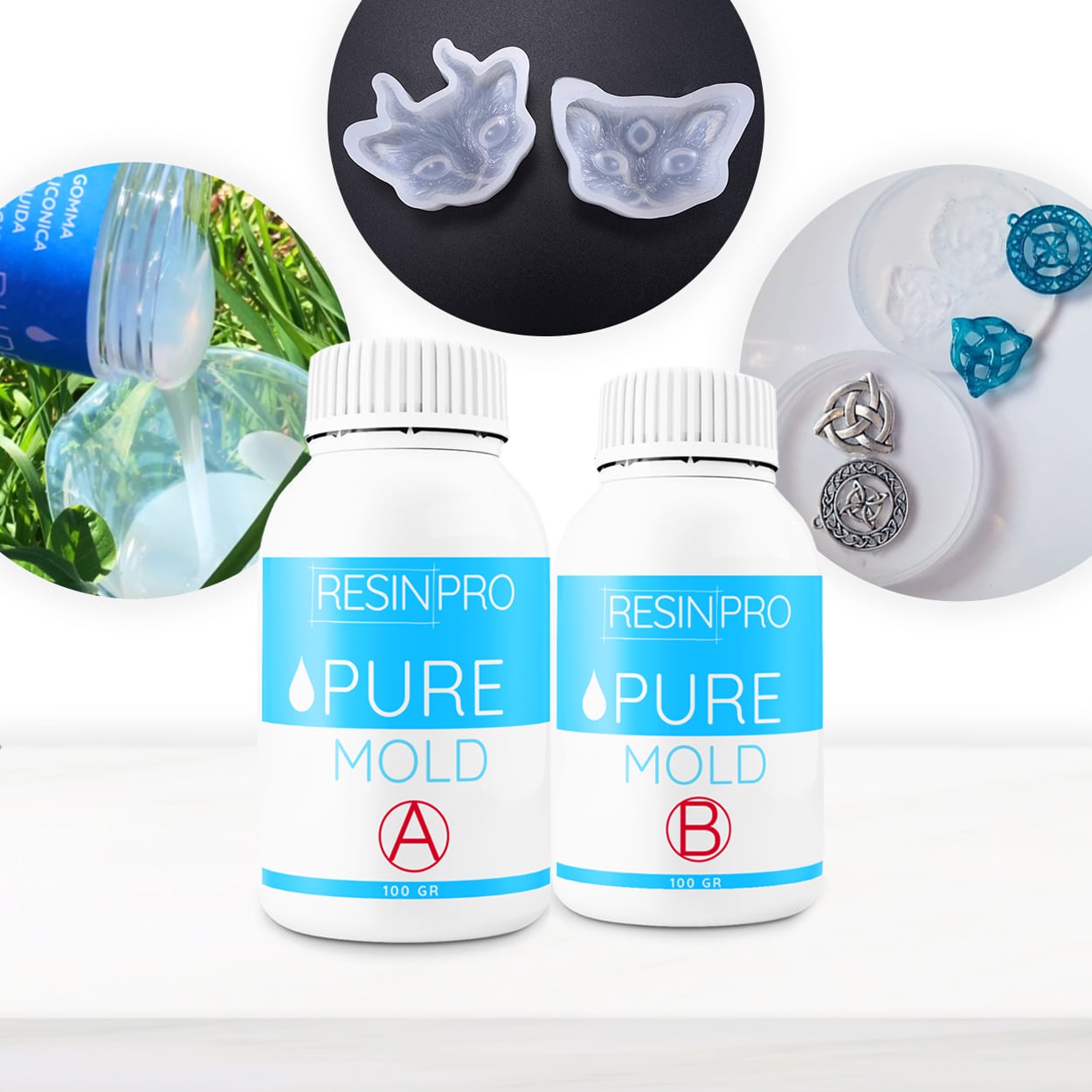
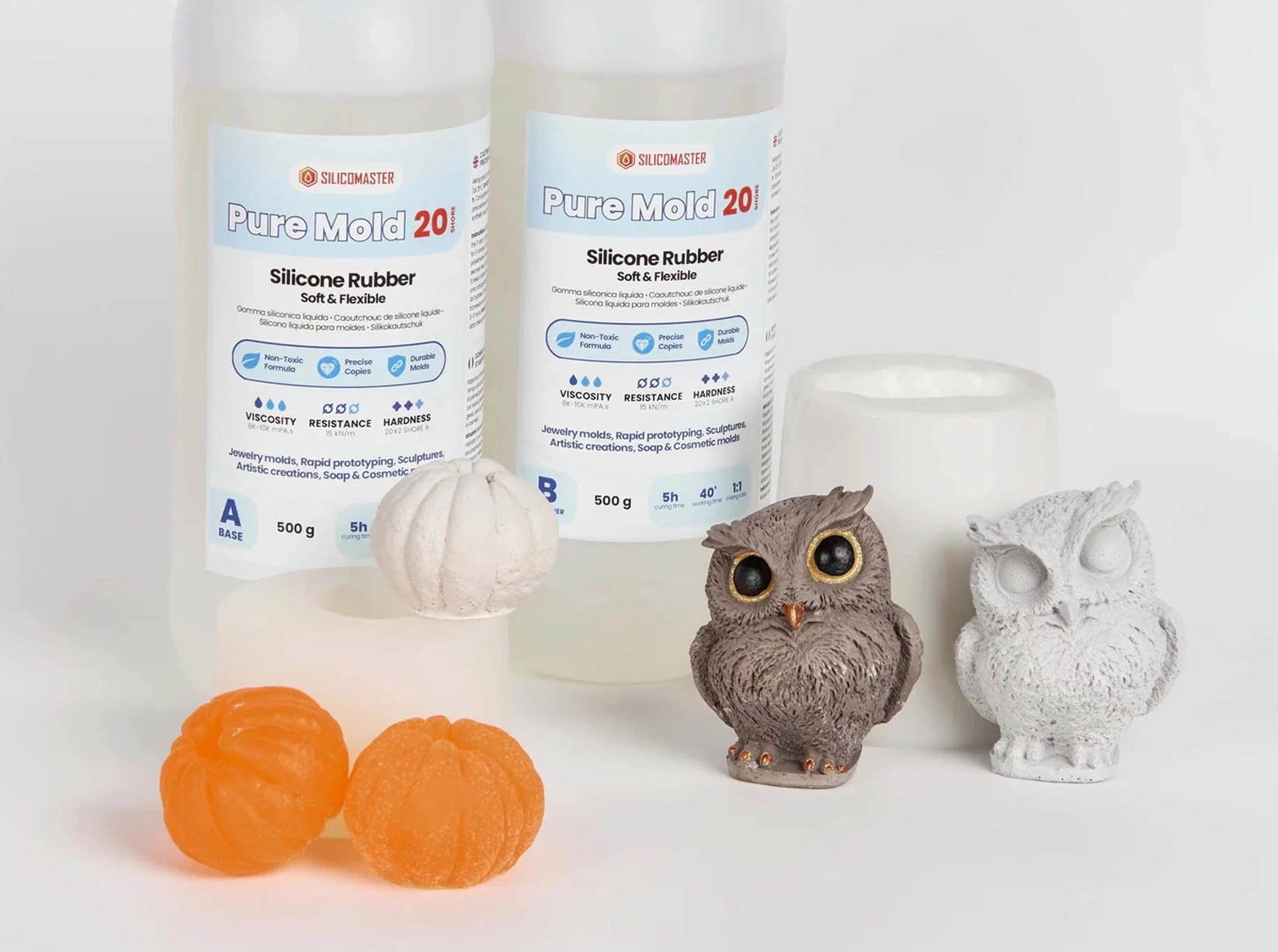
- “Pure Mould” – Translucent Liquid Silicone Rubber for Mould Making: Platinum-based, ideal for clear, detailed moulds
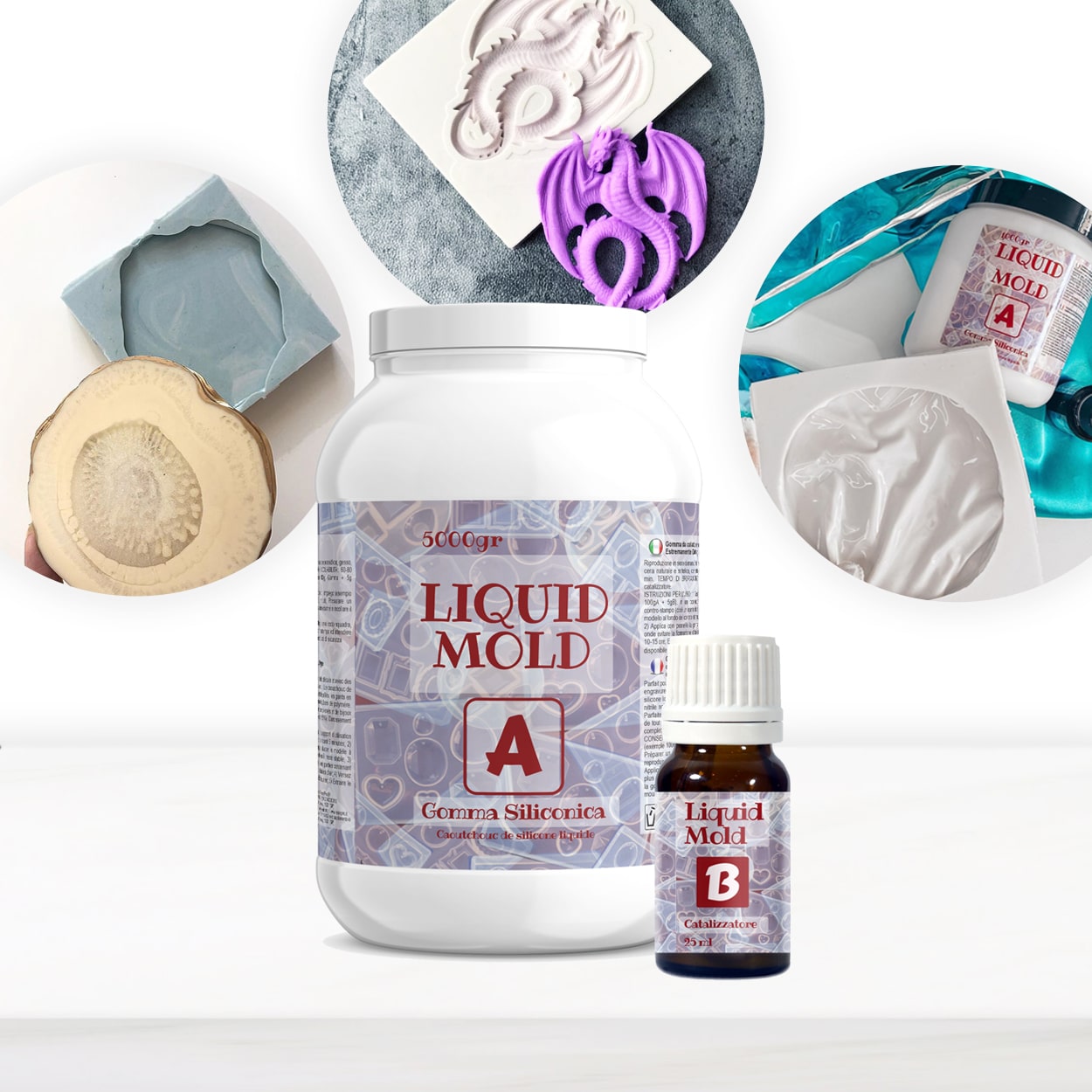
- “Liquid Mould” – Casting Liquid Silicone Rubber, 5-40 Shores, Bi-Component A+B: Versatile liquid silicone for highly detailed, complex forms
- “I–Gum” – Non-Toxic Silicone Putty for Mould Making: Simple, non-toxic putty for small, quick jobs
- Animals & Plants Silicone Mould for Epoxy Casting – Reusable and Easy to Clean: Ready-made option for intricate animal and plant forms
- Master object (item you wish to copy)
- Disposable mixing containers and sticks
- Digital scales (if required by product instructions)
- Release agent (optional, depending on object surface)
- Protective surface covering
- Nitrile gloves (if preferred)
Choosing the Right Silicone for Your Project
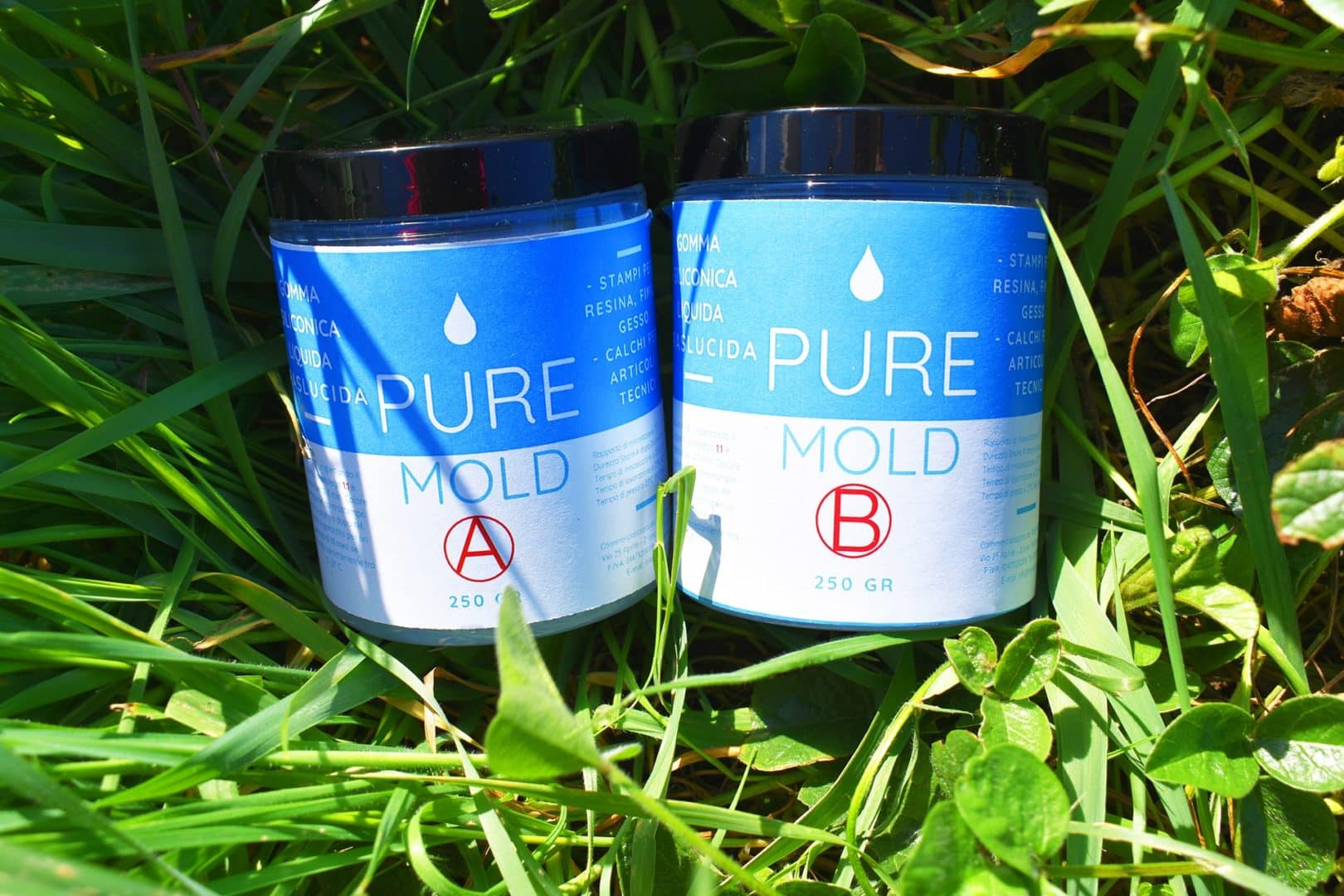
Select silicone based on your project’s complexity and detail. For crisp, transparent moulds that help you monitor resin placement, opt for “Pure Mould” – Translucent Liquid Silicone Rubber for Mould Making. For high-detail, intricate or multi-part objects, “Liquid Mould” – Casting Liquid Silicone Rubber excels in capturing small features. When speed or simplicity is needed—particularly for small shapes or objects—go for “I–Gum” – Non-Toxic Silicone Putty.
Step 1: Prepare Your Master and Workspace
Start by selecting and cleaning the object you want to replicate, ensuring it is dry and free of dust or oils. Set up your workspace with a protective covering, and have all your materials ready before you begin. For complex or porous objects, consider applying a release agent to help the cured silicone release cleanly. Secure your master so it will not shift when you pour the silicone.
Step 2: Mix the Silicone Components Thoroughly
Silicone mould-making products typically require precise mixing. For liquid silicones like “Pure Mould” – Translucent Liquid Silicone Rubber for Mould Making and “Liquid Mould” – Casting Liquid Silicone Rubber, 5-40 Shores, Bi-Component A+B, measure the components by weight or volume as instructed (usually a 1:1 ratio), then mix slowly but thoroughly. Scrape sides and base of your container to avoid unmixed patches, which could leave soft spots in your mould. For quick moulds, knead equal amounts of “I–Gum” – Non-Toxic Silicone Putty for Mould Making until the colour and texture are fully uniform.
Use only as much silicone as needed for your project—overmixing can waste material, while undermixing risks a failed cure. Always adhere to the recommended mixing ratios for your chosen silicone.
Step 3: Pour or Apply the Silicone Over the Master
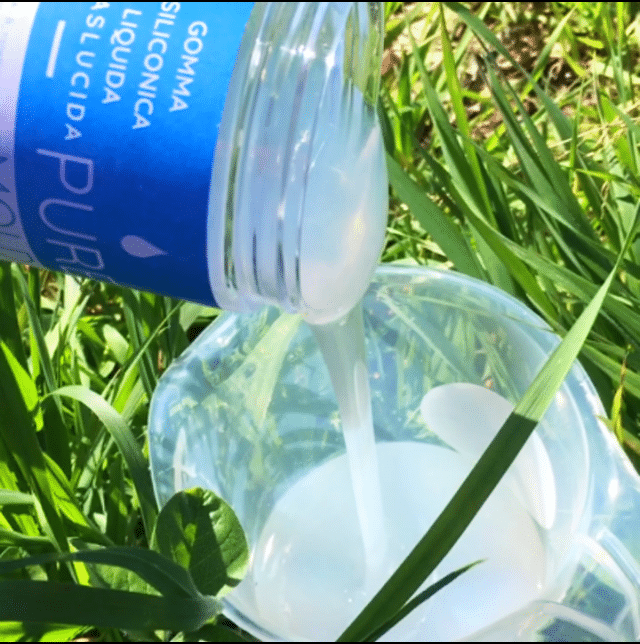
For liquid silicone rubbers, slowly pour the mixture into your prepared container from one corner, letting it rise and flow gently around the master. This helps minimise trapped air bubbles. For the best results on especially intricate objects, pour from a height in a thin stream so any bubbles pop as the silicone descends. If using silicone putty, press and shape it evenly around your object without trapping air.
Tap the mould container lightly or gently vibrate it to bring bubbles to the surface. Take extra care around fine details and undercuts. With products such as “Liquid Mould” – Casting Liquid Silicone Rubber, 5-40 Shores, Bi-Component A+B, this extra attention helps achieve crisp replication.
Step 4: Allow the Silicone to Cure Fully
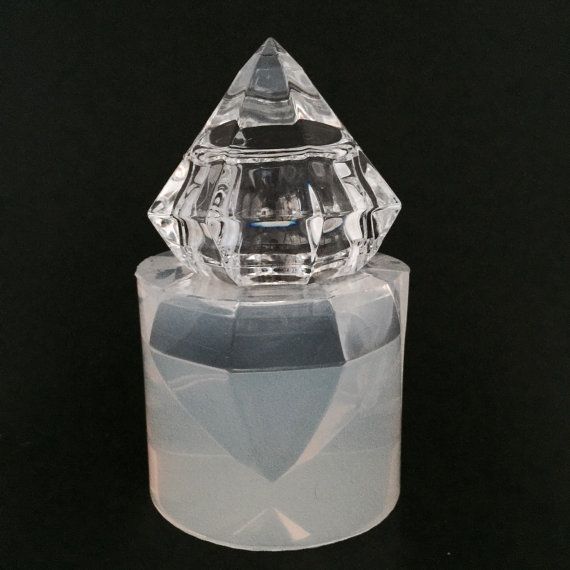
Leave the filled mould undisturbed for the full cure time specified in the product instructions. “Pure Mould” typically cures in 3–8 hours, while other silicones may take 10–12 hours or more depending on conditions. Avoid moving or bumping the container during this time to maintain an even surface and capture details accurately. If you have a pressure pot, you can use it at this stage to further minimise bubbles in professional settings.
Step 5: Demould and Inspect Your Silicone Mould
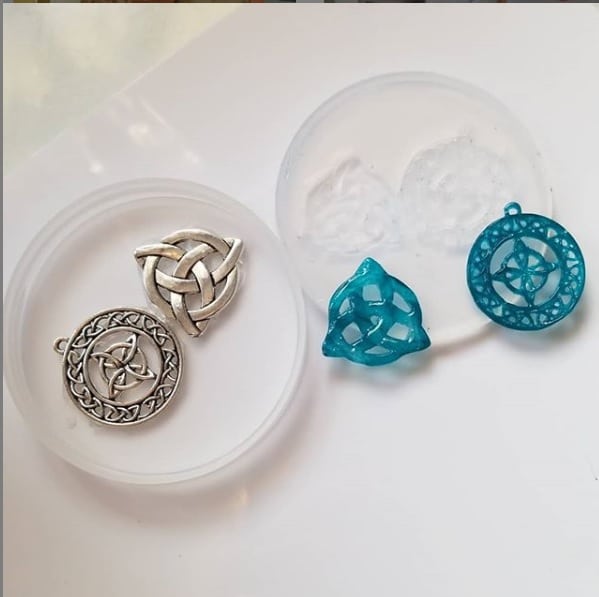
Once cured, gently separate the silicone from the container and remove your master object. Go slowly to avoid tearing thin details or stretching the mould. Wash the mould with mild soap if needed and dry thoroughly before use. Inspect for detail, ensuring the surface is smooth and bubble-free before using the mould with epoxy resin.
Do not skimp on mixing—imprecise ratios cause failed cures. If your mould is especially thin or flexible, place it back into the container or create an external support to prevent it from warping when you pour resin. Always support flexible moulds when pouring epoxy resin to get flawless castings.
Tips, Common Mistakes and Troubleshooting
Avoid air bubbles by mixing slowly and pouring from a height. For best detail, ensure your mixing containers and master object are at room temperature. Check product-specific instructions—some silicons require catalysts, others use equal parts. Rushing the demoulding process can tear or warp the finished mould, so patience is key. If you notice surface stickiness, unmixed silicone, or bubbles, review your mixing and curing process for issues.
Maximising Durability and Reusability of Silicone Moulds
Clean your moulds gently and store them flat away from direct sunlight. Do not use harsh solvents; mild soap and water are best. Remove castings promptly after they cure—especially with Animals & Plants Silicone Mould for Epoxy Casting – Reusable and Easy to Clean—to maintain surface quality. Proper handling and storage dramatically increase mould lifespan and casting quality.
- "Pure Mould" – Translucent Liquid Silicone Rubber for Mould MakingPrice range: £22.85 through £158.85"Pure Mould" is a translucent silicone rubber suitable for making moulds compatible with resins, plaster and cement under the theme How to make…
- "Liquid Mould" – Casting Liquid Silicone Rubber, 5-40 Shores, Bi-Component A+BPrice range: £13.45 through £368.85"Liquid Mould" is a casting liquid silicone rubber designed for making highly detailed moulds, compatible with resin and suitable for small objects.
 "I–Gum" – Non-Toxic Silicone Putty for Mould MakingPrice range: £22.85 through £99.85"I–Gum" is a two-component silicone putty suitable for mould making with epoxy resin, supporting a non-toxic process with a 1:1 mix ratio.
 Animals & Plants Silicone Mould for Epoxy Casting – Reusable and Easy to CleanOriginal price was: £7.45.£6.75Current price is: £6.75.Animals & Plants silicone moulds are designed for casting with epoxy and easy cleaning, suitable for decorative elements.
Frequently Asked Questions
What is the best silicone for making epoxy resin moulds?
Transparent liquid silicones like Pure Mould are preferred for detail and durability. Choose based on the object's detail and size.
Do I need a release agent for silicone moulds?
Usually no, but highly porous or intricate objects may benefit from a light release agent to aid demoulding.
Why is my silicone mould soft or sticky?
Incorrect mixing ratios or incomplete mixing often cause this. Double-check instructions and mix thoroughly.
How many times can I reuse a silicone mould?
With careful use and gentle cleaning, quality silicone moulds can be reused dozens of times for epoxy resin projects.
How do I prevent bubbles in silicone moulds?
Pour silicone slowly and tap the mould gently after pouring. For professional work, use a vacuum chamber if necessary.
Can I use ready-made silicone moulds for epoxy casting?
Yes, products like Animals & Plants Silicone Mould are suitable for direct epoxy casting and reusable if cleaned properly.