 Free shipping on orders over £29,85
  Shipping Tracking!


 Google
 Facebook
← Back to How to Make a Resin Pendant
Curing your resin pendant correctly is key to a beautiful, long-lasting result. The method you use depends on the type of resin chosen—each with its own process and timing.
Epoxy Resin Curing: What to Expect
Epoxy resin is a popular choice for jewellery making. It cures at room temperature and typically takes around 24–48 hours to reach full hardness. Accurate mixing is essential: follow your product’s supplied instructions, usually involving combining two components in a precise ratio. Beginners will appreciate kits like the Evershine Collection Epoxy Resin Kit, which uses a simple 1:1 mixing ratio to minimise errors and ensure proper curing. During the curing period, keep your piece dust-free and avoid disturbing the surface.
UV Resin: Fast Results with Proper Tools
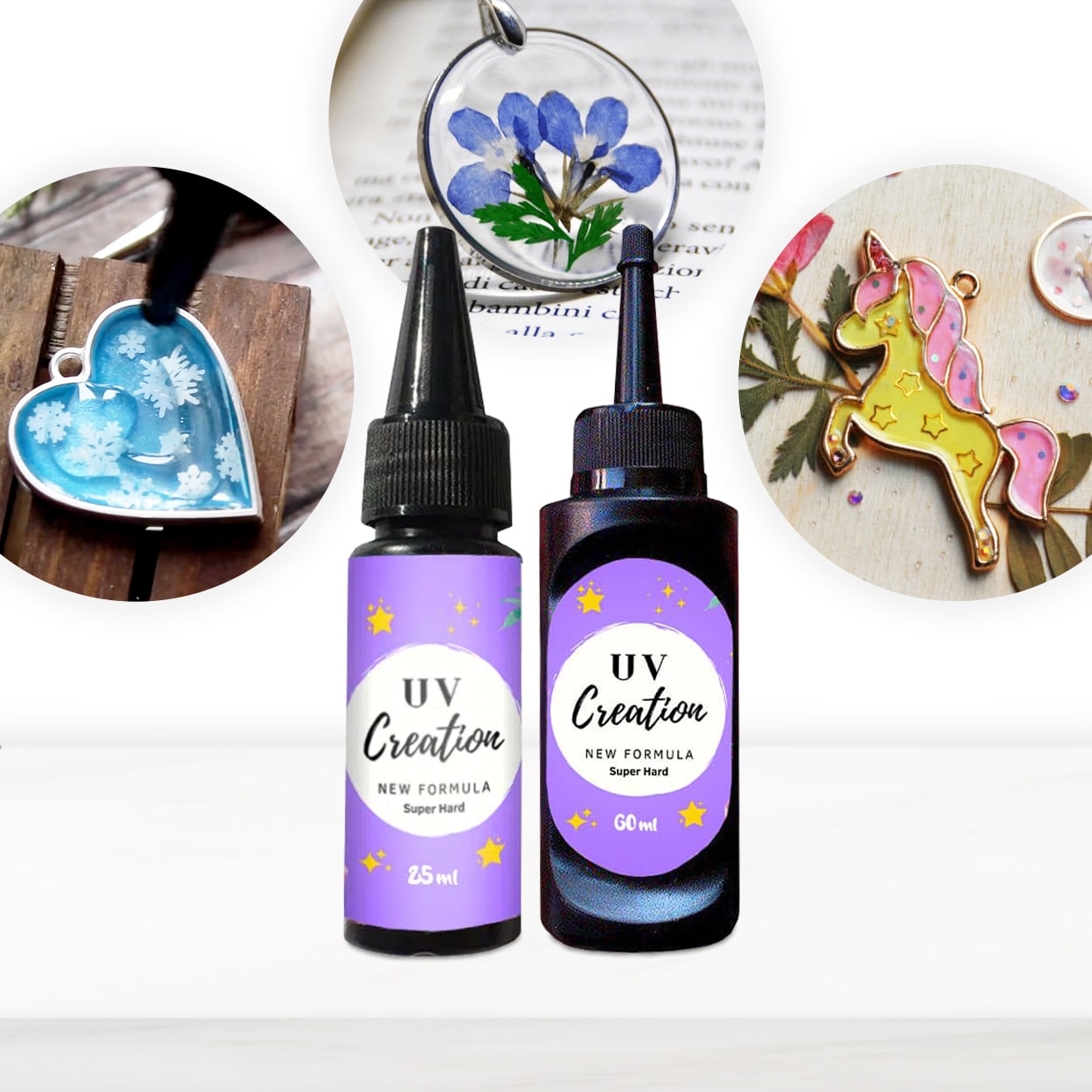
UV resin offers a much quicker turnaround, setting in just a few minutes under a UV lamp. This option is perfect if you want instant results or only have a little time to craft. Apply the UV resin to your pendant, then expose it to a UV lamp (not sunlight) for the duration recommended by the manufacturer—often between 2–5 minutes per layer. For best clarity and hardness, keep the pendant close to the lamp while curing. Consider ready-to-use options such as UV–Creation Fast Acrylic Resin for convenience.
When the Right Cure Matters
The right curing process is crucial when your design includes embedded items or detailed work. Slow-cure epoxy resins are ideal for suspending dried flowers or delicate pieces as they give you time to adjust placements. UV resin cure speed suits quick gifts or layering effects, but works best in thin pours to ensure even hardening. Consider your project’s needs to pick the best approach.
Related products
Related guides
Choosing and following the correct curing process ensures your resin pendants set beautifully and last. For more detailed project ideas, see our full guide at How to Make a Resin Pendant.