 Free shipping on orders over £29,85
  Shipping Tracking!


 Google
 Facebook
How to Make a Resin Pendant
Step-by-step guide for shimmering, custom jewellery pieces.


Creating your own resin pendant is a rewarding jewellery-making project that combines creativity with precision. Whether you’re crafting a unique keepsake, experimenting with pigments and shapes, or producing a gift for someone special, learning the right techniques ensures a professional result. This guide covers each step for making crystal-clear resin pendants—perfect for beginners or hobbyists looking to upgrade their skills.
What You’ll Need
- “Evershine Collection” – Artisan Jewellery Epoxy Resin Kit with 100+ Accessories – Complete starter kit with clear resin and accessories
- Set of 10 Open Metal Bezels for Jewellery Making and UV Resin Projects – Open bezels for shaping your pendants
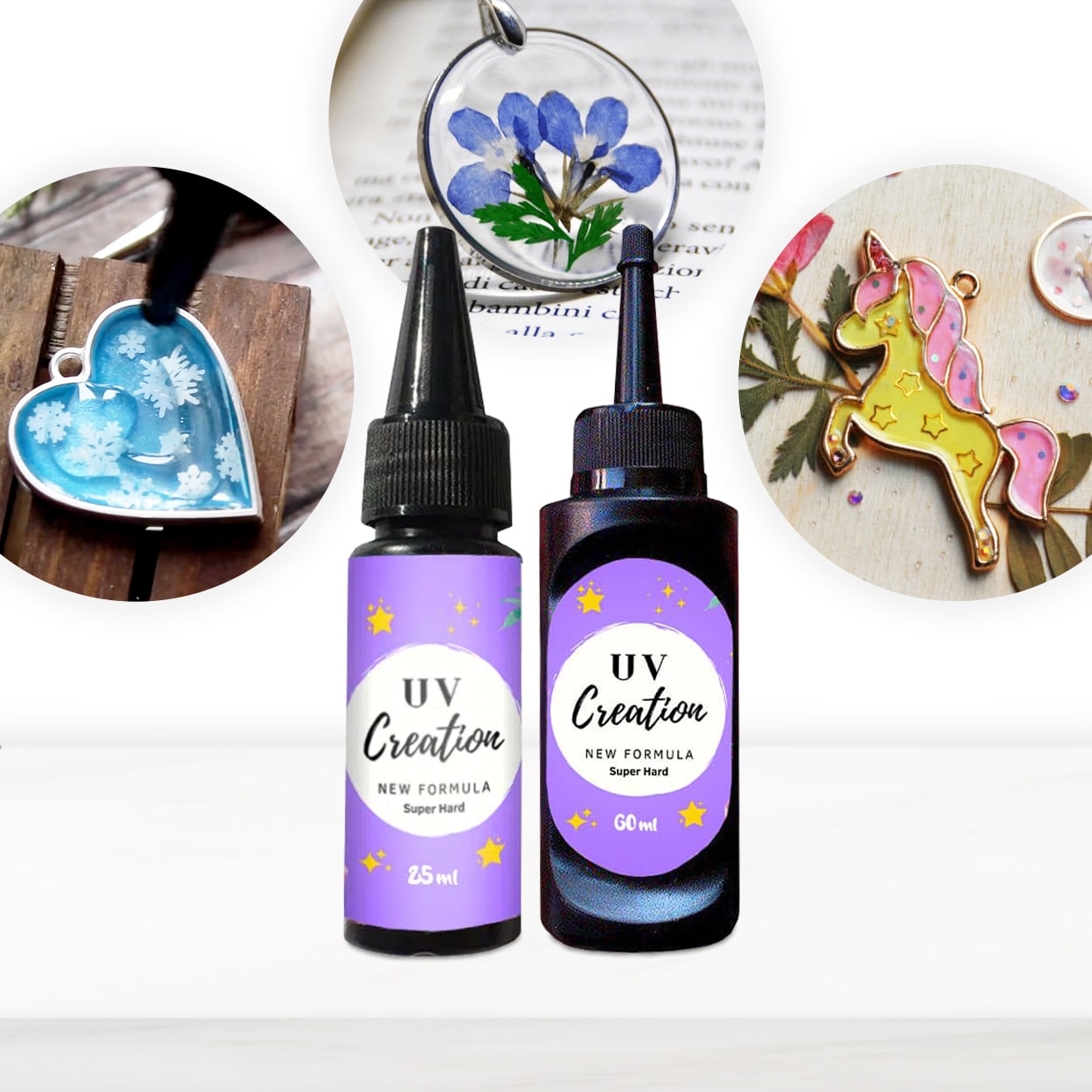
- “UV–Creation” – Fast Acrylic Resin, 3 Minute UV Cure – For UV resin techniques and speedy curing
- “One-2-One” – Epoxy Resin for Handcraft, 1:1 Mixing Ratio – For simple, high-transparency epoxy work
- Protective gloves, mixing cups, stirrers, silicone moulds or bezels, optional dried flowers or pigments, and a UV lamp if using UV resin

Visual Inspiration for Your Resin Pendants
See the creative potential of resin jewellery— from shimmering inclusions and bright pigments to the clarity possible with premium resins. Explore distinctive designs using open bezels, layered colours, and natural additions to spark your next project.
Step 1: Prepare Your Workspace and Materials
Thorough preparation is crucial for a flawless pendant. Lay out all materials in a clean area. Cover the workspace with a protective sheet to prevent spills and dust contamination. Arrange bezels, moulds, and decorative inclusions within reach. Consider which resin formulation matches your project—epoxy resin is ideal for deeper pours and embedding larger objects, while UV resin suits shallower, quick-setting creations. Ensure you have gloves, mixing utensils, and any pigment powders or dried flowers on hand.
Work in a dust-free, well-ventilated area. This minimises trapped particles and supports safe handling. Organise your tools and plan your pendant’s design before you mix or pour any resin—resin often begins gelling rapidly once mixed or exposed to UV light, so readiness prevents rushed decisions.
Step 2: Mixing and Colouring Your Resin
Proper resin mixing is key to achieving a clear and durable finish. If choosing a kit such as the “Evershine Collection” – Artisan Jewellery Epoxy Resin Kit with 100+ Accessories, use the included measuring cups and follow the supplied 1:1 ratio. For more custom work, the “One-2-One” – Epoxy Resin for Handcraft, 1:1 Mixing Ratio also offers a straightforward process—simply combine equal parts resin and hardener by volume, then mix gently yet thoroughly for several minutes to avoid bubbles.
For UV-cured pieces, pour the “UV–Creation” – Fast Acrylic Resin straight from the bottle—no mixing required. Add pigments or inclusions to your mixture before pouring. Stir slowly to keep the resin clear. Bubbles may appear; allow the resin to rest a moment or use a gentle heat source to remove them.
Step 3: Casting and Shaping the Pendant
Select an open bezel or silicone mould to shape your pendant. If using the Set of 10 Open Metal Bezels for Jewellery Making and UV Resin Projects, lay the bezel flat on a non-stick surface. Pour your mixed resin carefully into the bezel or mould, filling to the top but avoiding spills.
Add decorative elements such as dried flowers or glitter while the resin is still liquid, gently pushing them into place with a toothpick if needed. Check for levelness to ensure an even, glass-like finish. Some bezels benefit from curing in multiple layers—let each layer gel before adding the next for multi-dimensional effects.
Step 4: Curing and Finishing
Allow full curing and avoid early handling to prevent fingerprints or distortion. For epoxy resin, cover the pendant loosely to shield from dust and cure at room temperature for the recommended time—often 24–48 hours. For UV resin, use a UV lamp or direct sunlight, curing each layer for two to three minutes until fully set. If making multi-layer pendants with UV resin, cure each layer before adding the next.
Once cured, demould the pendant and inspect edges for sharpness. Any imperfections can be smoothed with fine sandpaper or a file. Attach a jump ring, chain, or cord to complete your creation. Clean and polish with a soft cloth to enhance the shine.
Troubleshooting and Tips for Success
Plan your colour scheme and inclusions before mixing to avoid rushing. If bubbles persist, a brief pass with a heat gun or lighter can help, but avoid overheating. For clear pendants, allow resin to degas in the cup for a few minutes before pouring. Secure bezels to a tape base to prevent resin leaks. Always follow curing times for your chosen resin to avoid cloudiness or soft surfaces.
Finishing Touches and Real-World Examples
Discover nuanced finishing techniques—filing, polishing, or attaching custom findings—as featured in artisan projects. Visualise polished pendants and see how attention to detail elevates your final piece from a simple craft to a signature accessory.

- "Evershine Collection" – Artisan Jewellery Epoxy Resin Kit with 100+ Accessories£20.85"Evershine Collection" offers a complete epoxy resin kit with 500g of clear resin and over 100 accessories, suitable for jewellery making projects.
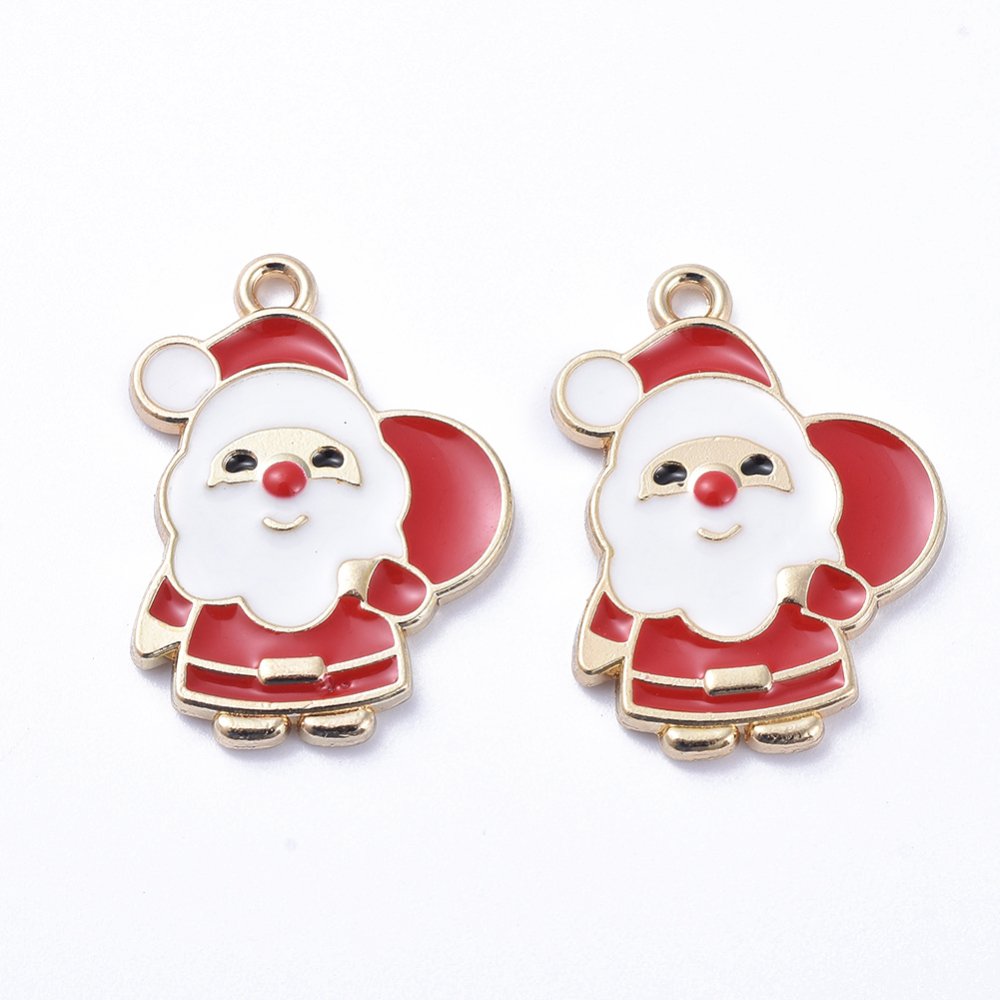
- Set of 10 Open Metal Bezels for Jewellery Making and UV Resin ProjectsOriginal price was: £8.45.£6.85Current price is: £6.85.This set of 10 open metal bezels is designed for resin crafting and UV resin projects, suitable for festive jewellery making.
- "UV–Creation" – Fast Acrylic Resin, 3 Minute UV CurePrice range: £7.85 through £59.85UV–Creation is a ready-to-use fast-curing resin designed for jewellery making with a clear, glossy finish suited to pendant crafting.
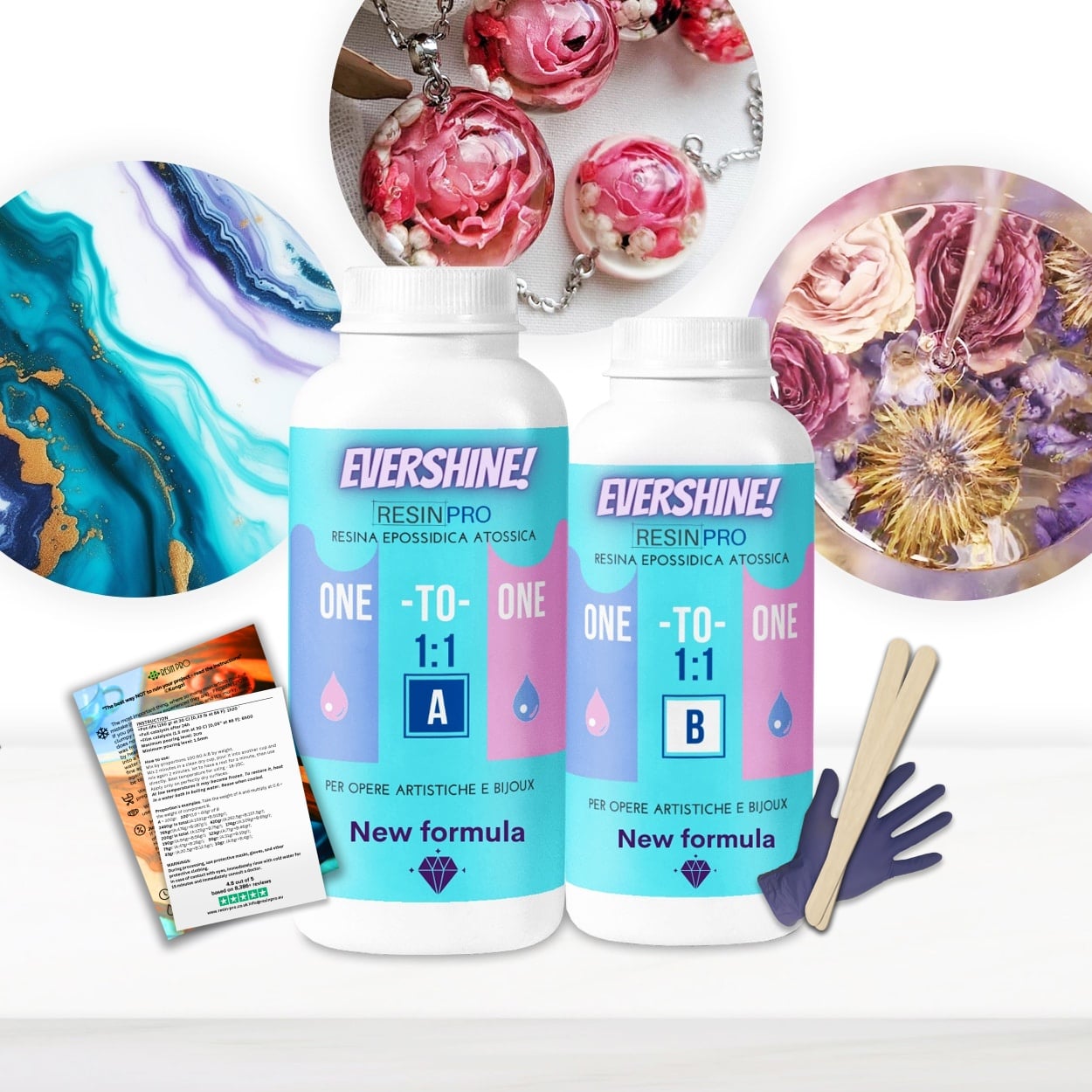 "One-2-One" – Epoxy Resin for Handcraft, 1:1 Mixing RatioPrice range: £14.85 through £56.85"One-2-One" epoxy resin is a medium viscosity product for beginners and experienced users, designed for clear, safe, and decorative resin projects.
Frequently Asked Questions
Which resin type should I use for making a pendant?
Epoxy resin is ideal for deep or layered pendants, while UV resin is best for thin, quick-set projects.
How do I cure a resin pendant correctly?
Follow the instructions for your chosen resin; epoxy cures at room temperature over 24–48 hours, while UV resin sets with a UV lamp in minutes.
How can I avoid bubbles in my resin pendant?
Mix resin slowly, let it rest to release bubbles, and use a heat source if necessary before pouring.
How do I add flowers or inclusions to resin pendants?
Arrange inclusions in your bezel or mould before pouring or use a toothpick to position decorations in the liquid resin.
How should I finish and polish resin pendants?
Once cured, sand rough edges gently and polish the surface with a soft, dry cloth for a glossy result.
What safety precautions should I follow?
Always wear gloves, work in a ventilated space, and follow product-specific safety instructions.