 Free shipping on orders over £29,85
  Shipping Tracking!


 Google
 Facebook
← Back to How to create a mould for resin?
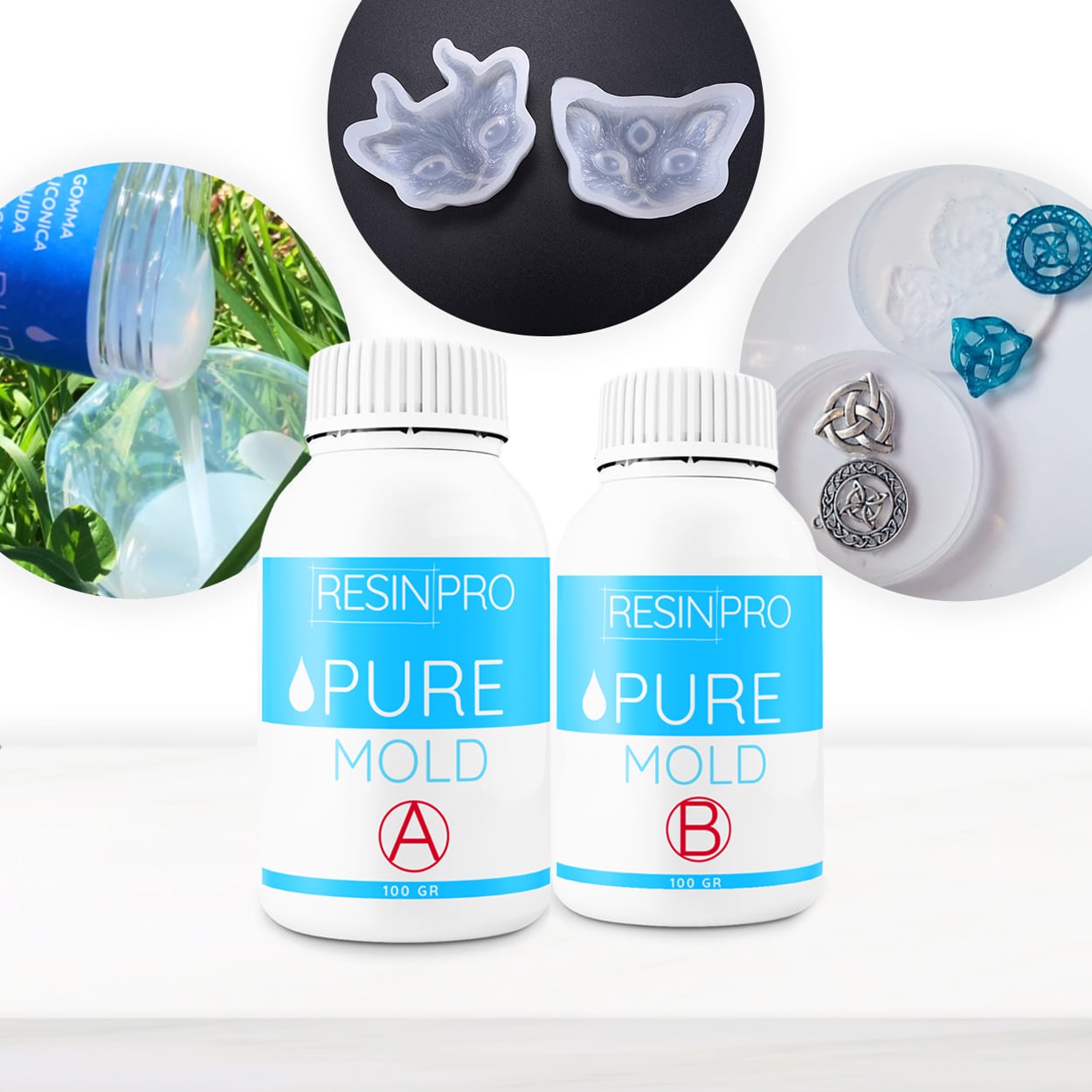
If you’re starting out with mould making, you might wonder what materials you can actually cast in your home-made moulds. Knowing your options helps you plan projects, select the right mould material, and achieve creative results.
What Kinds of Materials Can Be Cast?
Home-made moulds—especially those created with quality silicone—are suitable for casting a variety of materials. Popular casting options include epoxy resin, polyester resin, cement, urethane resin, wax, and plaster. Your choice depends on your project goals and the compatibility of both your mould and any release agent you use.
- Epoxy resin is a top pick for creating coasters, jewellery, and art pieces.
- Wax is ideal for candle making in flexible silicone moulds like the “Pure Mould” – Translucent Liquid Silicone Rubber for Mould Making.
- Concrete or plaster works well for making tiles, ornaments, or casting decorative items.
Selecting the Right Mould for Your Casting Material
The suitability of your home-made mould for a particular material depends on the mould’s composition and design. Platinum-based silicone, for example, provides excellent flexibility, durability, and compatibility with resins, waxes, cement, and plaster. Make sure your mould is thick enough to hold its shape, and choose professional-grade silicone where possible for longer-lasting results. For decorative pieces or keepsakes, ready-made options like the Silicone Hexagons Mould offer reliable and reusable solutions for resin craft.
When This Matters: Matching Material & Mould
Choosing the appropriate combination means fewer casting mishaps and better outcomes. If you’re looking to cast detailed items or want the flexibility to experiment with resins and wax, opting for high-quality, translucent silicone moulds can make the process smoother and your results more precise. Always use the correct release agent to ensure easy demoulding, especially with intricate pieces or materials like cement.
Related products
Related guides
Exploring different materials in your home-made moulds opens up a wealth of creative opportunities. To dive deeper into techniques and practical steps, visit our full guide on how to create a mould for resin.