 Free shipping on orders over £29,85
  Shipping Tracking!


 Google
 Facebook
← Back to How do you apply epoxy resin?
Epoxy resin is a versatile material favoured for its strength, clarity, and glossy finish. However, its success depends on the surface preparation and compatibility.
Which Surfaces Are Suitable?
Epoxy resin generally adheres well to sealed wood, metals, plastics, and ceramics. These materials provide a stable, non-porous base, supporting a smooth and durable result. Porous or untreated surfaces, such as raw timber or concrete, can cause uneven curing and poor bonding. It’s wise to avoid surfaces that are oily, greasy, or damp as they significantly impact adhesion.
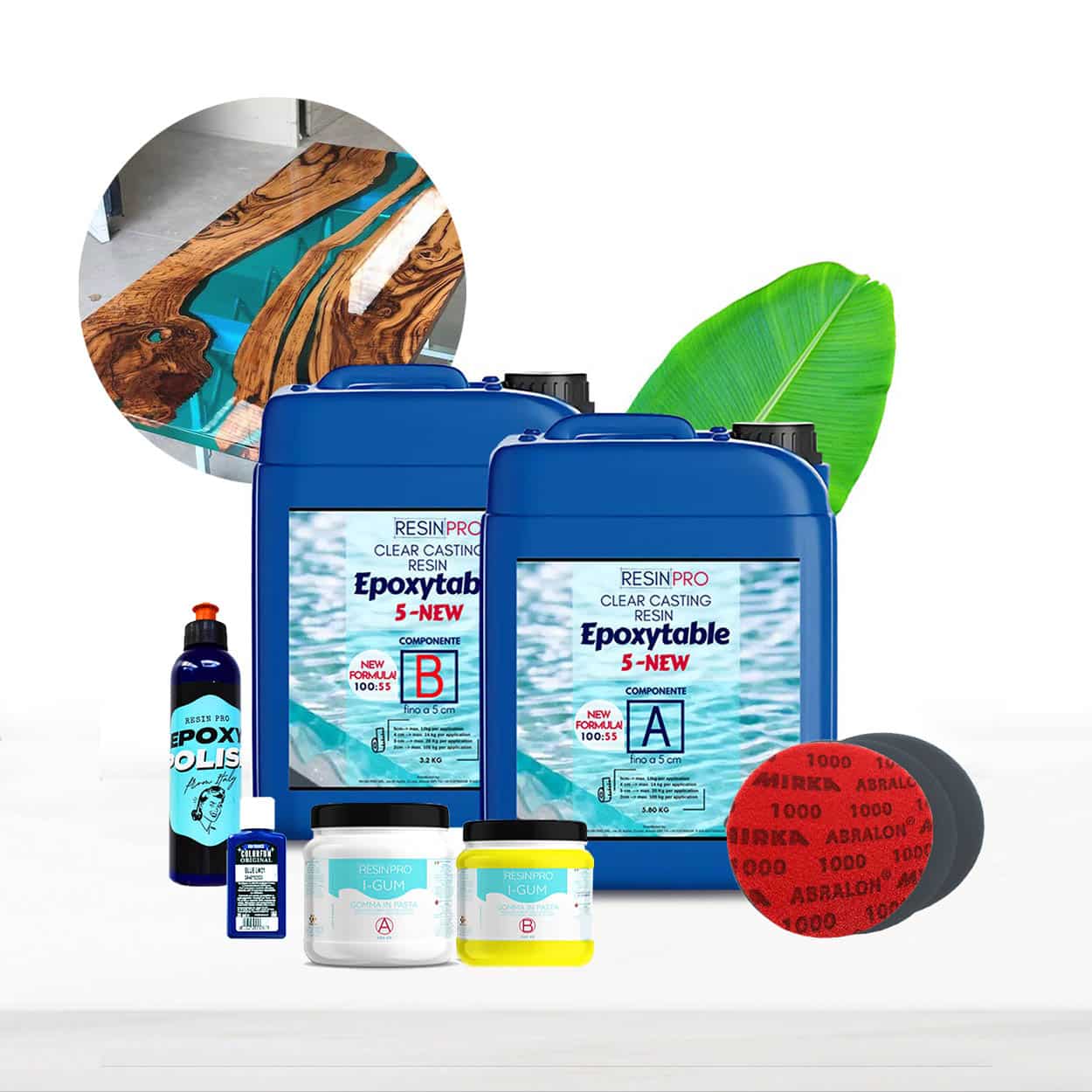
If you plan to coat a table or make crafts like coasters, products such as the “River-Table” Complete Kit contain key materials and guidance for working on suitable bases, ensuring a quality finish.
Preparing Surfaces for Epoxy Resin
Surface preparation makes a substantial difference. For absorbent or rough materials, use a suitable primer or sealer to create a barrier. Sand lightly and remove dust before application. Non-porous substrates like plastic or metal may need gentle abrasion with fine sandpaper so the resin can grip. Ceramic items should be cleaned of any residues and fully dried.
- Always ensure the surface is clean and dry
- Avoid application on greasy, oily, or untreated surfaces
- Seal wood and porous materials before pouring resin
When This Matters
Choosing and prepping the right surface is crucial when transparency and adhesion are vital—such as in furniture making, casting, and decorative art. A poorly prepared surface can trap air bubbles, cause the resin to lift, or result in a cloudy finish.
Related products
Related guides
With the right foundation and preparation, epoxy resin delivers excellent results on many surfaces. For project ideas and further application advice, explore our main guide on how to apply epoxy resin.