 Free shipping on orders over £29,85
  Shipping Tracking!


 Google
 Facebook
How do you apply epoxy resin?
Step-by-step guidance for flawless results every project.
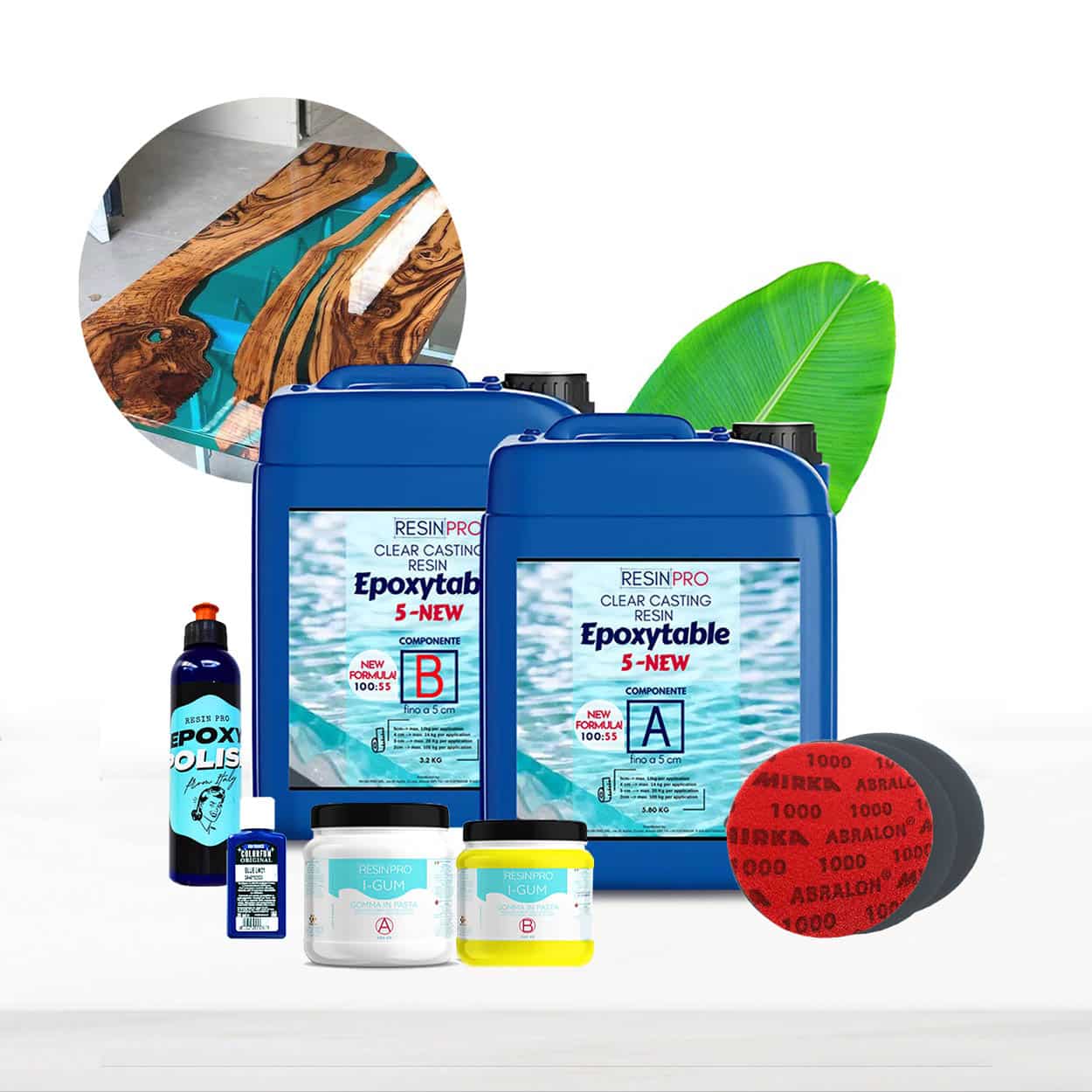
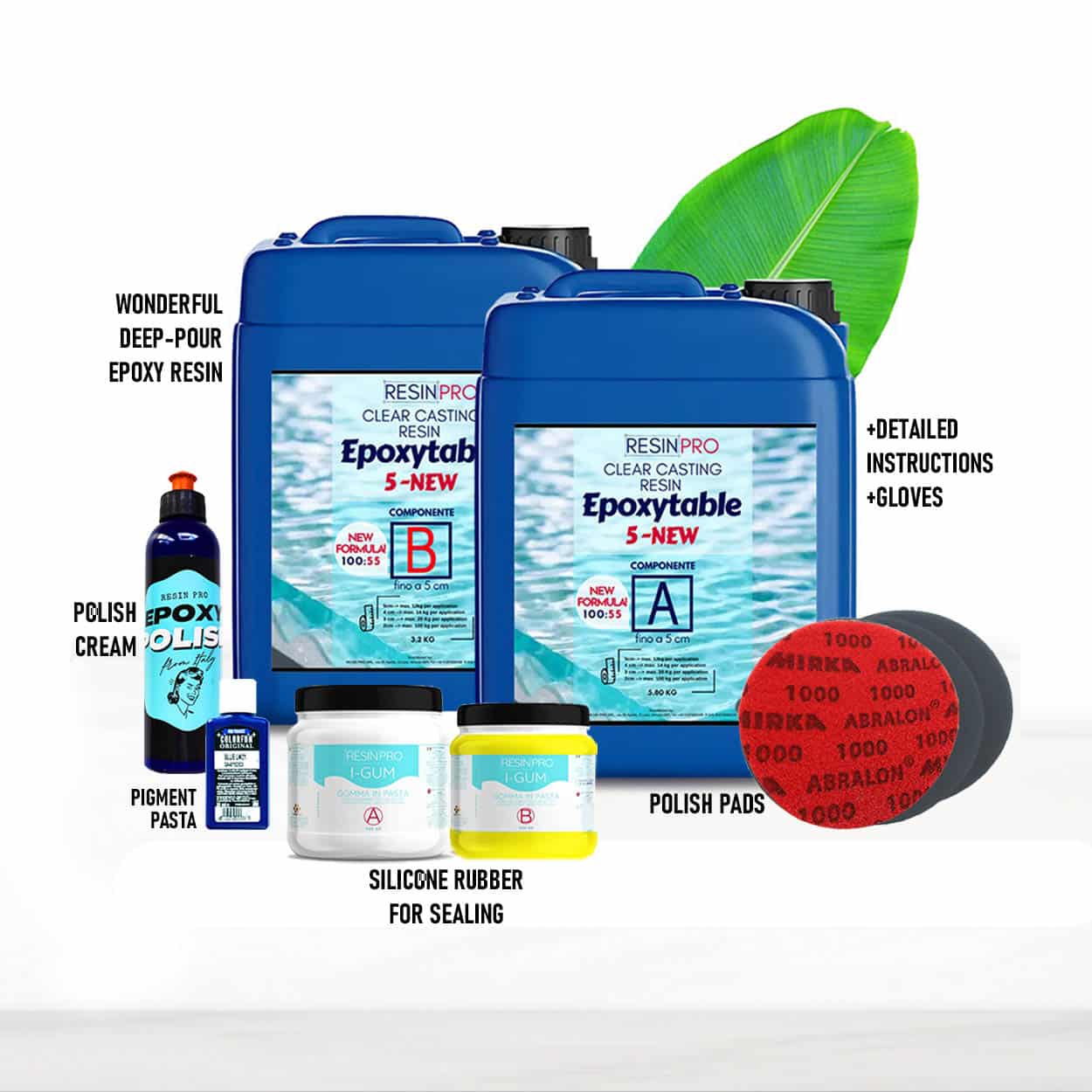
Epoxy resin is a versatile, clear medium used in creative, practical, and decorative projects. Whether you are coating a surface, casting jewellery, or making a bespoke table, mastering the correct application ensures a flawless, lasting finish. This guide walks you through the essential techniques, from setup to cure, helping both beginners and experienced creators avoid common pitfalls.
What You’ll Need
- “River-Table” – Complete Kit for Creating Your First Epoxy Resin Table: complete kit for table projects and beginners
- “One-2-One” – Epoxy Resin for Handcraft, 1:1 Mixing Ratio: ideal for jewellery and craft applications
- “Trasparente” – Multipurpose Clear Epoxy Resin for Casting – Up to 2cm: perfect for casting and woodworking up to 2 cm thickness
- “Art Pro” – Clear Epoxy Resin for Artists and Surface Coating: designed for artists and surface protection
- Mixing containers (clean and dry)
- Protective gloves and apron
- Mixing sticks or spatulas
- Dust cover or protective tent (to guard the curing resin)
- Spirit level (for flat projects)

Visual Guide to Epoxy Resin Setup
Review your working space before you begin. Lay out your chosen resin, mixing tools, gloves, and dust covers in advance for a smooth process. Remember to check the resin’s instructions for temperature range and setup tips for best results.
Step 1: Prepare the Workspace and Materials
Choose a well-ventilated, dust-free area with a stable, level surface. Protect surrounding surfaces with plastic sheeting or paper, and wear gloves throughout to avoid skin contact. Make sure all containers and tools are clean and dry, as any contamination or moisture can affect curing and finish.
Ensure your workspace is dust-free by wiping surfaces and covering the project while curing. Organise all tools and reference product instructions for mixing ratios and open time to plan your work.
Step 2: Measure and Mix the Epoxy Resin
Carefully measure the resin and hardener according to your chosen system’s instructions. For example, “One-2-One” – Epoxy Resin for Handcraft, 1:1 Mixing Ratio is mixed by equal volume, while others may use different ratios or require measurement by weight.
Pour both components into your mixing cup. Stir gently but thoroughly for several minutes, scraping the sides and bottom to fully combine. Avoid whipping air into the mixture to help reduce bubbles.
If required, add pigments, dyes, or inclusions at this stage and mix gently until evenly dispersed.
Step 3: Apply or Pour the Epoxy Resin
Once mixed, the epoxy resin should be poured or brushed out before its working time elapses. For surface coating projects, such as artwork or trays, pour the resin in the centre and use a spreading tool to guide it towards the edges. Epoxy is self-levelling, but smooth movement ensures even coverage.
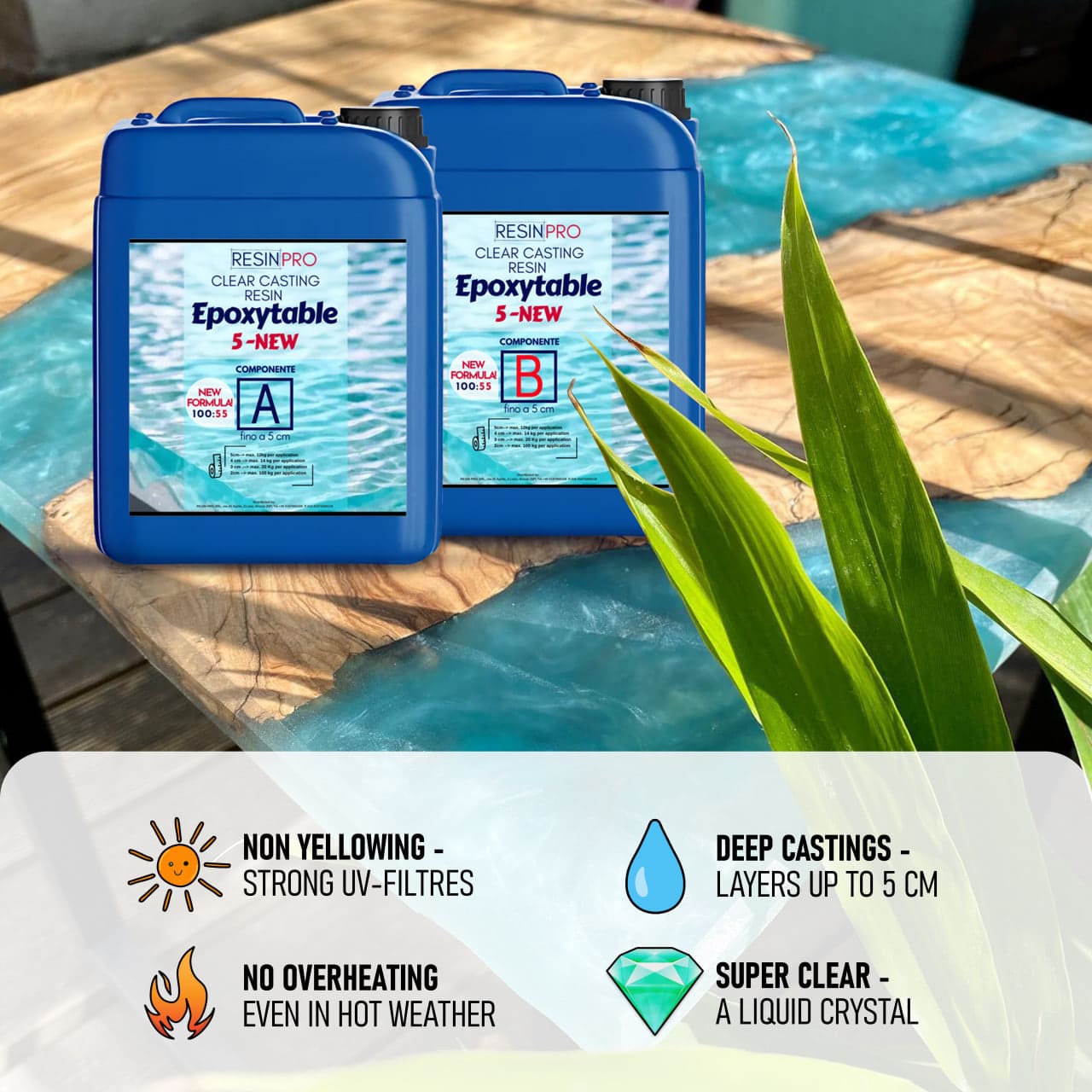
“Art Pro” – Clear Epoxy Resin for Artists and Surface Coating is well-suited for these applications due to its non-drip formula. For deeper pours up to 2 cm, “Trasparente” – Multipurpose Clear Epoxy Resin for Casting – Up to 2cm provides a crystal-clear finish, making it ideal for river tables or embedded objects.
Pour slowly to minimise bubbles. If any bubbles form, pop them using a heat gun or a light pass with a blowtorch, keeping the tool moving to avoid overheating.
Step 4: Cover and Allow to Cure
Once poured, shield the surface with an upturned box, tent, or dust cover to guard against airborne particles. Let the resin cure undisturbed, following the recommended time based on the product and temperature (often 24–72 hours).
Avoid touching or moving the item during this period, as even slight movement can mark the glossy finish. Full mechanical strength may take up to a week to develop. Allow full curing before demoulding or handling to achieve the hardest, clearest result.

Tips and Common Mistakes to Avoid
- Always measure resin and hardener accurately according to manufacturer instructions to avoid sticky or soft finishes.
- Mix for the recommended time—under-mixed epoxy can leave uncured patches.
- Do not work in humid or cold conditions, as this can result in clouding or uneven curing.
- For deep table projects or first-time users, a comprehensive kit such as the “River-Table” – Complete Kit for Creating Your First Epoxy Resin Table ensures you have all required materials and access to detailed instructions.
Finishing Touches and Protective Curing
Patience is key to achieving a flawless finish. Avoid touching or moving resin during the curing period, and only demould or use coated objects once fully hardened. A draft-free environment with stable temperatures will prevent surface defects or dust marks.

- "River-Table" – Complete Kit for Creating Your First Epoxy Resin TablePrice range: £188.85 through £444.85This kit includes essential materials and instructions for making a wood and resin table using epoxy resin.
 "One-2-One" – Epoxy Resin for Handcraft, 1:1 Mixing RatioPrice range: £14.85 through £56.85ONE-2-ONE epoxy resin is a medium viscosity resin with an easy 1:1 mixing ratio for clear, durable craft projects.
 "Trasparente" – Multipurpose Clear Epoxy Resin for Casting – Up to 2cmPrice range: £8.45 through £948.85"Trasparente" clear epoxy resin provides a self-levelling, glossy finish up to 2 cm thick, suitable for various crafting and woodworking projects.
 "Art Pro" – Clear Epoxy Resin for Artists and Surface CoatingPrice range: £31.15 through £388.85Art Pro clear epoxy resin is designed for artists and crafters seeking a durable, high-gloss finish with UV protection.
Frequently Asked Questions
Can I apply epoxy resin on any surface?
Epoxy resin works well on sealed wood, metal, plastic, and ceramic. Avoid oily or untreated surfaces for best adhesion.
How do I mix epoxy resin accurately?
Use clean, dry containers and follow the manufacturer’s specific mixing ratio. Mix slowly and thoroughly for several minutes.
How do I remove bubbles from epoxy resin?
Pass a heat gun or flame briefly over the resin’s surface to release bubbles. Work swiftly to avoid overheating the resin.
How long should epoxy resin cure?
Most epoxy resins cure in 24–72 hours for handling, but full strength is reached after 5–7 days depending on temperature.
Why is my epoxy resin sticky?
Sticky resin is often the result of incorrect mixing ratios or under-mixing. Carefully measure and mix next time for a proper cure.
Can I colour epoxy resin?
Yes, you can add colour pigments or mica powders during mixing. Stir in slowly to achieve an even tone before pouring.
What temperature is best for applying epoxy resin?
Between 20–25°C is ideal. Cold slows curing and can cloud the finish, while heat can shorten pot life or cause defects.