 Free shipping on orders over £29,85
  Shipping Tracking!


 Google
 Facebook
← Back to How do you apply epoxy resin?
When applying epoxy resin, one of the best ways to achieve a crystal-clear, flawless finish is to pour the resin slowly. This careful step helps to reduce the number of air bubbles that can become trapped, making your finished work look professional and smooth.
Why Slow Pouring Matters
Air bubbles form easily when epoxy resin is mixed or poured quickly, especially if the resin is thick. These bubbles get trapped in the curing material, causing imperfections. By pouring slowly, the resin flows gently and air escapes more easily, reducing the risk of bubbles rising to the surface and setting.
Best Technique for a Smooth Finish
- Use a steady, controlled pour: Hold your mixing cup close to the mould or surface and let the resin flow gently in a thin stream.
- Pierce large bubbles with a toothpick: After pouring, quickly inspect the surface and use a toothpick or skewer to pop obvious bubbles.
- Finish with gentle heat: For most projects, a small artist’s torch or a heat gun wafted briefly over the surface helps bubbles rise and burst, but avoid overheating or holding heat in one spot too long.
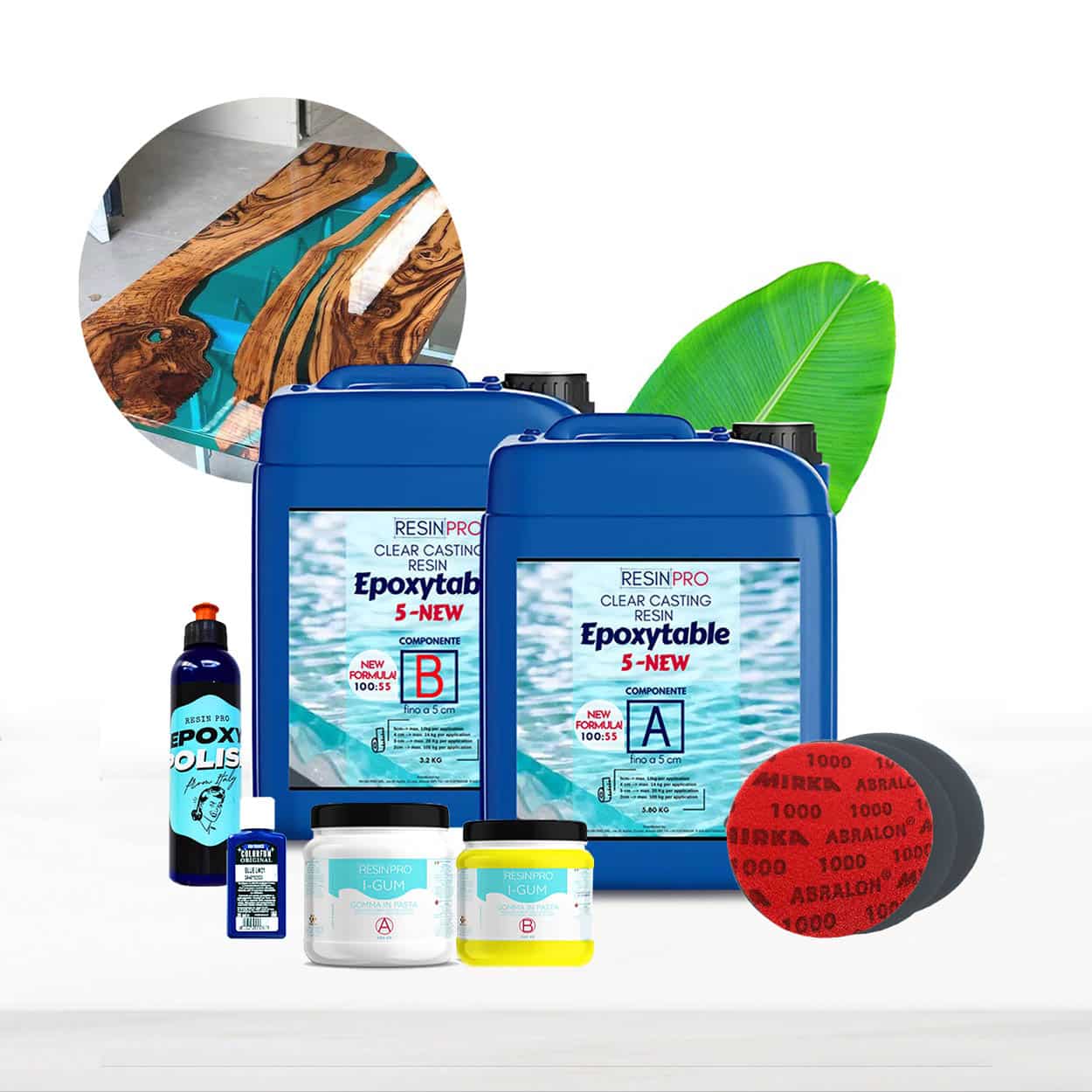
A kit such as the “River-Table” Complete Kit for Creating Your First Epoxy Resin Table includes clear mixing instructions and suitable resins for both beginners and advanced users to make this process easier.
When This Matters Most
Slow, careful pouring is especially important for larger castings, table projects, or where the resin layer is thicker than a few millimetres. Any work intended to be crystal clear—such as decorative art, jewellery, or statement tables—will benefit from this technique.
Related products
Related guides
By taking time to pour epoxy resin slowly, you greatly enhance the clarity of your work. If you want to learn more about applying epoxy resin and discover step-by-step application tips, visit our main guide on how to apply epoxy resin.