 Free shipping on orders over £29,85
  Shipping Tracking!


 Google
 Facebook
how to apply resin to concrete
A reliable method for sealing, protecting, and finishing cement
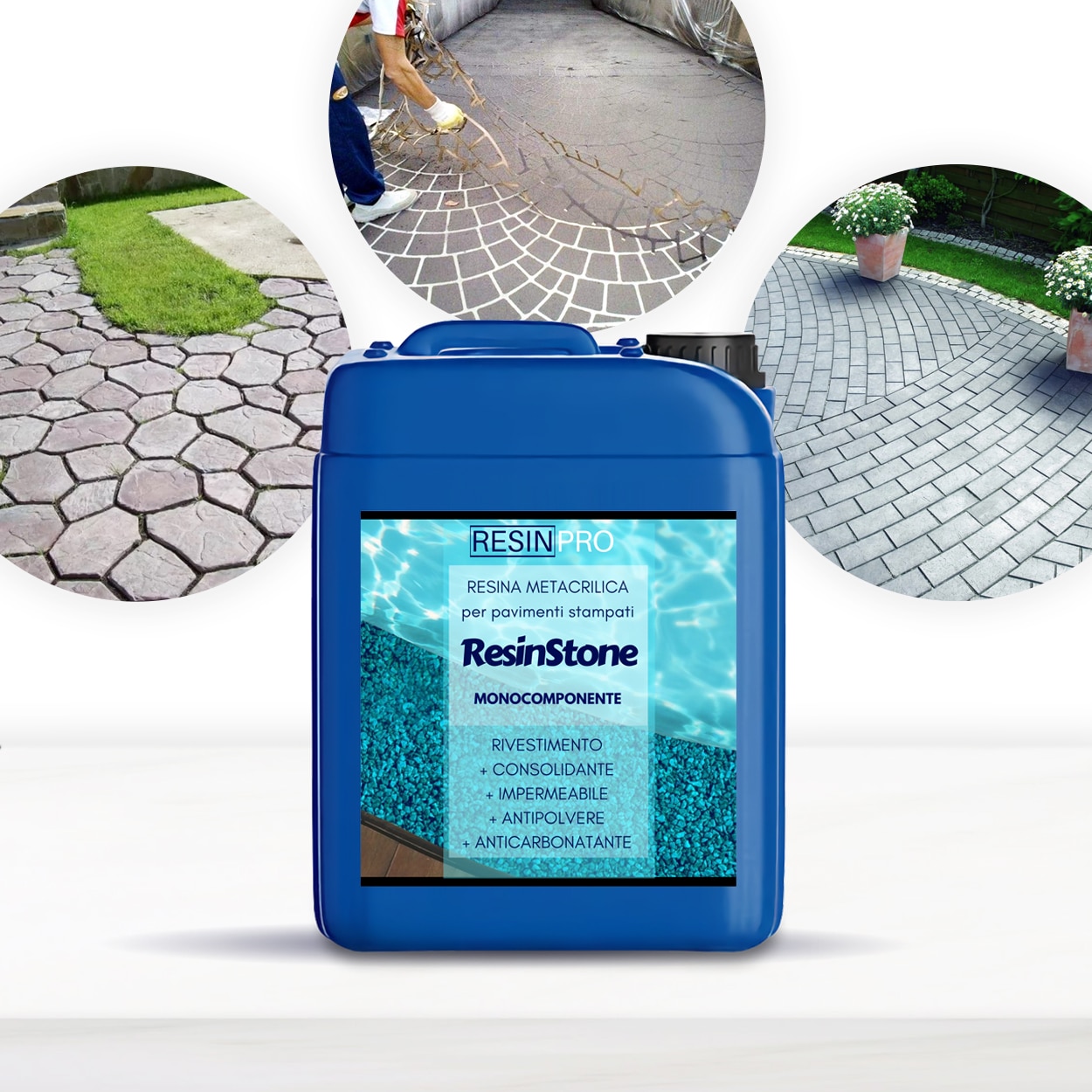

Applying resin to concrete is an excellent way to create tough, attractive, and weather-resistant surfaces—whether for domestic driveways, garages, patios, or commercial flooring. Following the right techniques ensures durable performance, protects your concrete from moisture damage, and can dramatically enhance both appearance and longevity. This guide walks you through each essential stage, highlighting common pitfalls and how to achieve professional results.
What You’ll Need
- “Epoxyprimer” – Universal Water-Based Two-Component Epoxy Floor Primer: Universal primer for reliable adhesion on concrete substrates.
- “Resinstone” – One-Component Methacrylic Resin for Concrete Floors and Driveways: For sealing and protecting standard concrete floors and driveways.
- “Flowstone” – Complete Permeable Floor Kit with Pebbles and Resin (optional, for permeable decorative finishes): Kit for permeable, anti-slip surfaces.
- “Trasparente” – Epoxy Binder for Coloured Pebbles and Grits (optional, for coloured pebble aggregates): Binder for decorative stone effects.
- Roller or brush for primer and resin application
- Protective gloves and clothing
- Sanding equipment (if needed for surface preparation)
- Mixing bucket or trowel for resin products
- Clean cloths and masking tape

Resin-Concrete Application Essentials
Choose the right primer and resin formulated for concrete to ensure a lasting, durable finish. Surface preparation directly affects the lifespan of your flooring project. For best results, always match the resin system to your end-use—traffic loads, outdoor weather, or decorative needs.
Step 1: Prepare and Clean the Concrete Surface
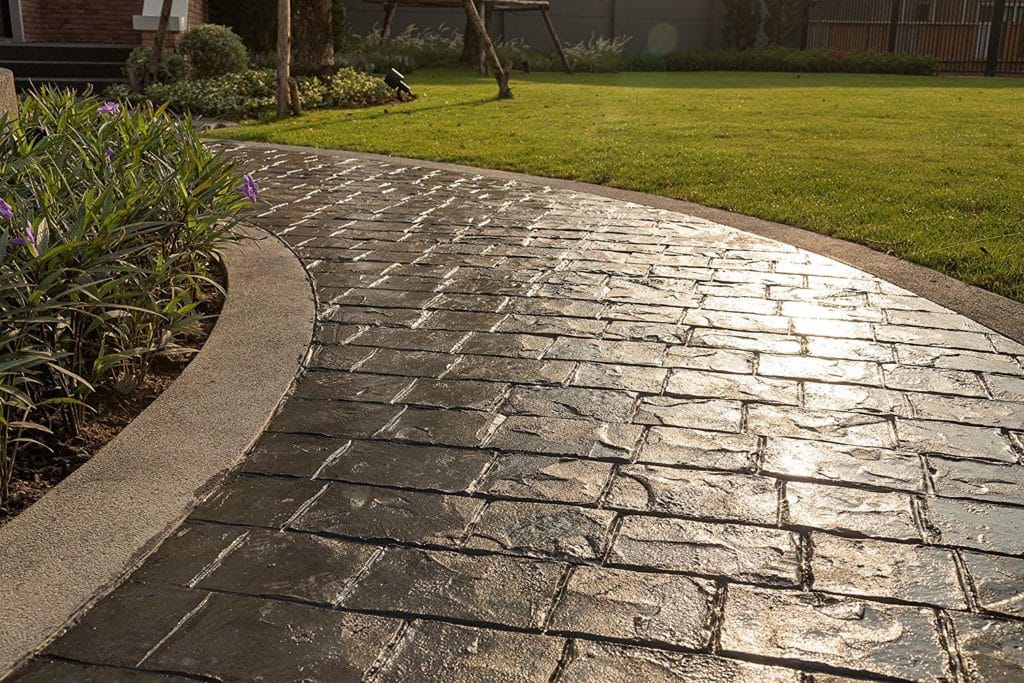
Start by ensuring the concrete substrate is structurally sound, clean, dry, and free of dust, oil, grease, and any previous coatings or contaminants. Use a stiff brush or vacuum to remove loose debris. For oily patches, a degreaser may be required. If the slab is newly poured, allow it to cure fully (usually at least four weeks) before proceeding. Repair any cracks or holes as necessary for a smooth, level finish. Clean thoroughly to remove dust and oil, as any residue will reduce adhesion and could cause premature coating failure.
Step 2: Prime the Surface for Maximum Bond
Apply a suitable primer to encourage the best possible bond between concrete and resin. For most indoor and outdoor floors, “Epoxyprimer” – Universal Water-Based Two-Component Epoxy Floor Primer is ideal. Prepare the primer according to the labelled mixing ratio, ensuring both components are fully blended. Use a roller or brush to apply a thin, even coat over the entire surface. Allow the primer to cure as recommended—typically 24–48 hours—before moving on. Allow primer to cure fully before applying resin to avoid issues with adhesion or bubbling.
Step 3: Mix and Apply the Resin Coating
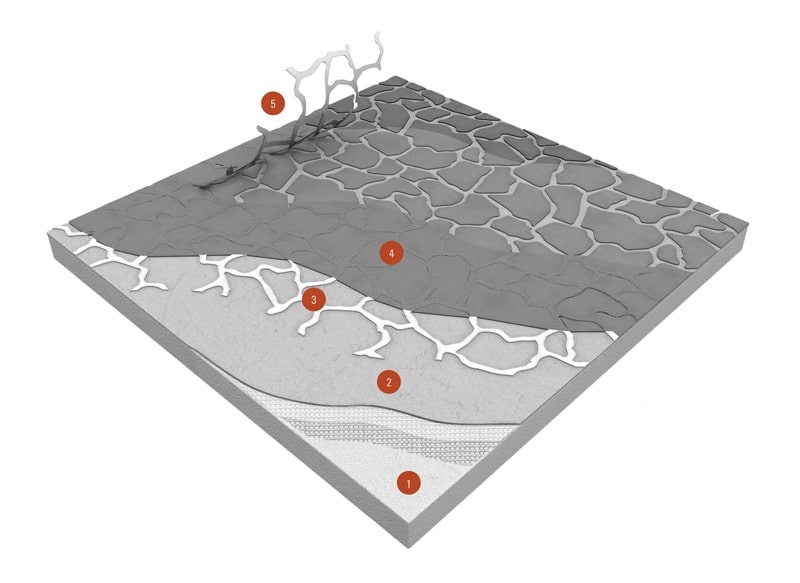
Once the primer is fully cured, it’s time to mix your chosen resin. For universal, protective finishing, “Resinstone” – One-Component Methacrylic Resin for Concrete Floors and Driveways is straightforward to use as it requires no multi-part mixing—simply stir well before application. For decorative or permeable finishes, your kit will include clear instructions for mixing resin components or blending with pebbles.
Mix resin components accurately; errors in mixing ratio can affect curing and final quality. Apply the resin evenly using a roller, brush, or squeegee. For classic seal coats, apply resin in thin, even coats to achieve uniform coverage. Decorative and permeable finishes typically require mixing with aggregates before spreading to the desired thickness. Allow each layer to cure per the manufacturer’s guidelines before applying subsequent coats or handling the surface.
Step 4: Curing, Finishing, and Maintenance
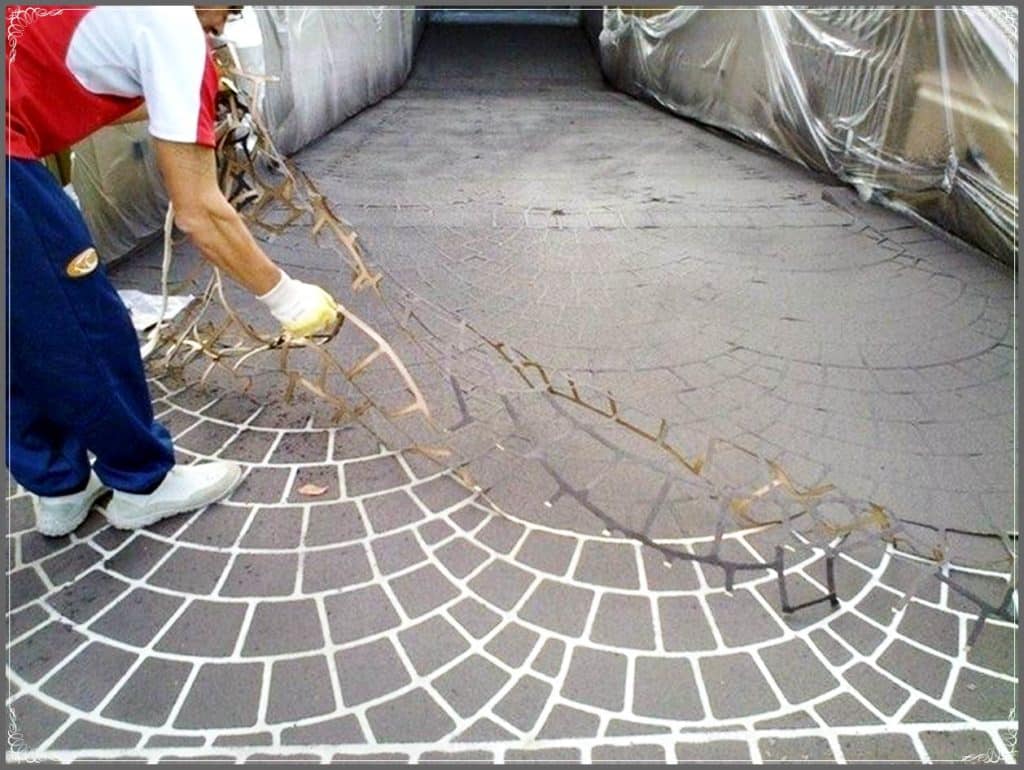
Protect your freshly coated surface from dust, rain, and foot traffic while the resin cures. Curing times will depend on the product and ambient conditions but can range from 12 to 48 hours. Avoid heavy use until the surface is completely cured to prevent marks or indentations. Once fully set, remove any masking tape and inspect the coating—touch up thin spots if necessary. Regular maintenance (gentle cleaning, prompt removal of oil or chemicals) will help maximise the longevity of your resin-coated concrete.
Tips, Troubleshooting, and Common Mistakes
Avoid applying in damp or very cold conditions—both humidity and low temperatures can interfere with resin curing. Always comply with the manufacturer’s mixing instructions for each component, and work in a well-ventilated space. Patch testing in a small area is recommended if you are unsure about compatibility or desired appearance. Always use gloves and appropriate protective gear. To prevent air bubbles, avoid over-mixing and apply the resin steadily rather than working back and forth repeatedly. Clean tools immediately after use to ensure they can be reused for future projects.
Expert Advice for a Flawless Concrete Finish
Take your time with surface prep and mixing. Even a small shortcut can lead to a coating that peels or discolours. For decorative finishes, test sample patches before committing to the entire floor. Thorough curing is vital—avoid using the surface prematurely for a robust result.
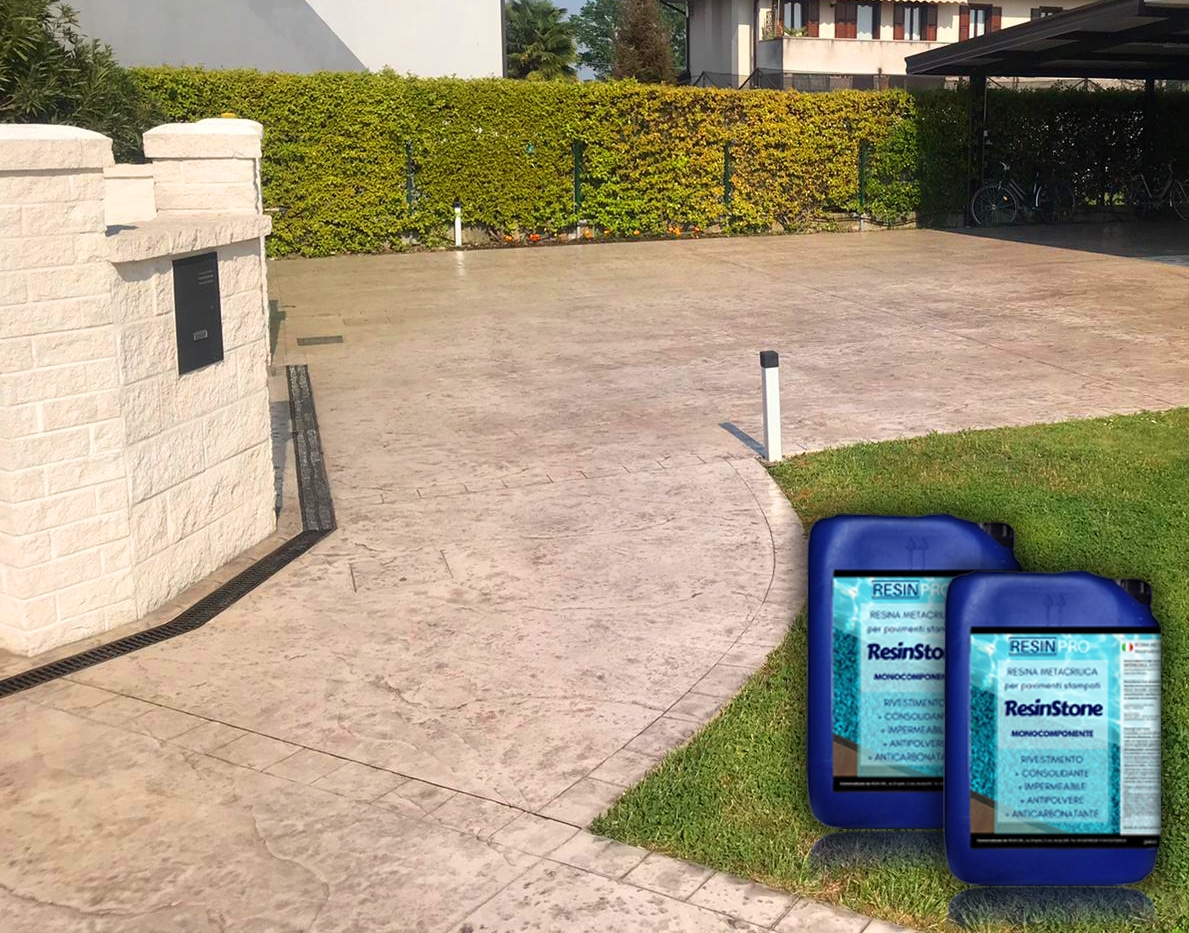
- "Resinstone" – One-Component Methacrylic Resin for Concrete Floors and DrivewaysPrice range: £29.85 through £59.85Resinstone is a one-component methacrylic resin designed for sealing and protecting concrete floors and driveways.
 "Epoxyprimer" – Universal Water-Based Two-Component Epoxy Floor PrimerPrice range: £148.84 through £272.45Epoxyprimer is designed for reliable adhesion on concrete, ceramic, screed, tiles, and timber surfaces for epoxy resin flooring projects.
- "Flowstone" – Complete Permeable Floor Kit with Pebbles and ResinPrice range: £42.85 through £3,389.85The Flowstone kit offers a permeable, draining pebble and resin floor solution suited for driveways, paths and patios with simple application…
 "Trasparente" – Epoxy Binder for Coloured Pebbles and GritsPrice range: £31.85 through £948.85"Trasparente" epoxy binder is a clear, UV-resistant resin designed for coloured pebbles and grits, suitable for use in flooring projects.
Frequently Asked Questions
Do I need a primer before applying resin to concrete?
Yes, using a primer improves adhesion and prevents problems such as bubbles or delamination. For most projects, a dedicated epoxy floor primer is recommended.
How long should concrete cure before resin application?
Fresh concrete should cure for at least 28 days before resin is applied to ensure stability and avoid moisture-related issues.
Can I apply resin directly on old concrete?
Yes, as long as the surface is clean, dry, and structurally sound. Proper preparation and priming are essential for successful bonding.
What weather is best for resin on concrete?
Resin is best applied in mild, dry weather between 10°C and 25°C. Avoid damp, rainy, or very cold conditions as they may affect curing.
How many coats of resin are needed on concrete?
Generally, one primer coat and one or two resin coats are sufficient. The number depends on the use case and desired finish thickness.
Can resin make concrete slippery?
Smooth resin finishes may become slippery when wet. Anti-slip additives or permeable pebble finishes can reduce slip hazards.
How do I repair a damaged resin concrete surface?
Light damage can be sanded and recoated. Deep cracks or delamination may require cutting out the affected area before patching.