 Free shipping on orders over £29,85
  Shipping Tracking!


 Google
 Facebook
← Back to How to decalcify drinking water using resins?
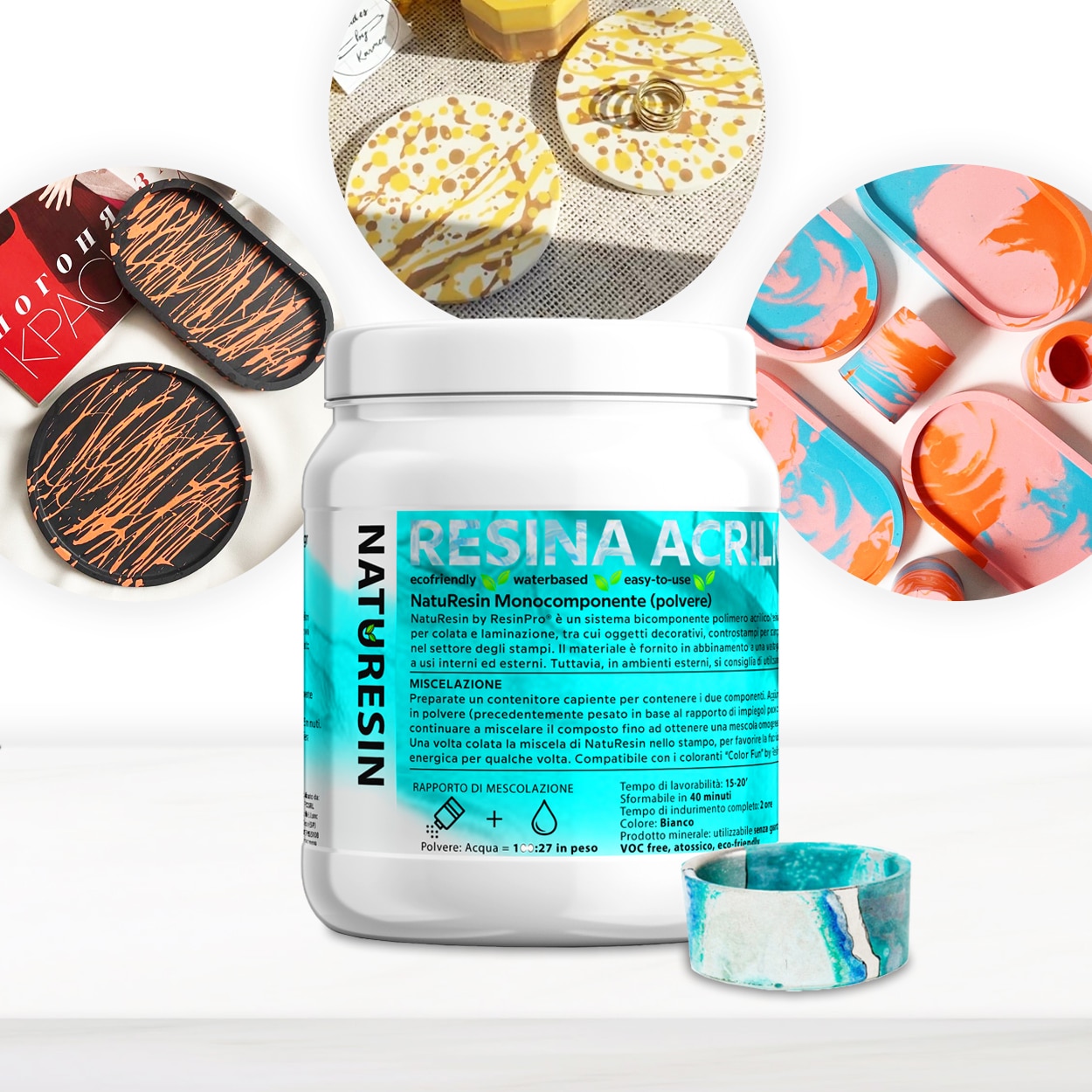
It’s important to understand the difference between resins designed for craft use and those intended for water treatment. If you’re considering using casting or craft resins in an attempt to purify or decalcify drinking water, here’s what you need to know.
Why Craft and Casting Resins Aren’t Safe for Water Treatment
Resins produced for crafts or casting—like NatuResin or epoxy and polyurethane casting products—are designed for decorative or functional art purposes only. They aren’t manufactured to be food-safe or certified for contact with drinking water. When used in such applications, these products may leach substances into water, potentially resulting in health concerns. Always select materials specifically tested and approved for use in potable water systems if dealing with water meant for consumption.
What Types of Resin Are Used for Water Decalcification?
For effective and safe decalcification of drinking water, specialist ion exchange resins are used. These are not the same as craft, casting, or surface-finishing resins. Ion exchange resins are produced under strict standards to ensure they do not release harmful compounds, are chemically stable, and are suitable for food or potable water use. You will not find these properties in standard creative resins from craft suppliers.
When This Matters: Avoiding Misuse in DIY Projects
If you’re planning a DIY water filtration system, never substitute casting, craft, or coating resins for certified water-treatment materials. Even products billed as non-toxic or solvent-free for crafting, such as NatuResin, are not cleared for drinkable water applications. Use them for decorative projects like trays, coasters, or art pieces, not for contact with consumable water.
Related products
Related guides
Ensuring your water treatment setup is safe is essential. For more details about proper resins for decalcifying drinking water, visit our main guide to water decalcification using resins.