 Free shipping on orders over £29,85
  Shipping Tracking!


 Google
 Facebook
← Back to How to decalcify drinking water using resins?
Regular maintenance is essential for water softeners to ensure consistent performance. Understanding when to regenerate or replace the resin inside your softening unit can help keep your water quality high and prolong the life of your system.
Regeneration: Keeping Resin Working Efficiently
Resins in water softeners capture minerals that cause water hardness. Over time, they become saturated and require regeneration, typically using a salt or other specific solution. The ideal regeneration frequency depends on factors like water usage and local water hardness, so always follow your manufacturer’s instructions. Most households will find that weekly or bi-weekly regeneration is adequate, but larger households or those with very hard water may need to do it more frequently.
Recognising When Resin Needs Replacing
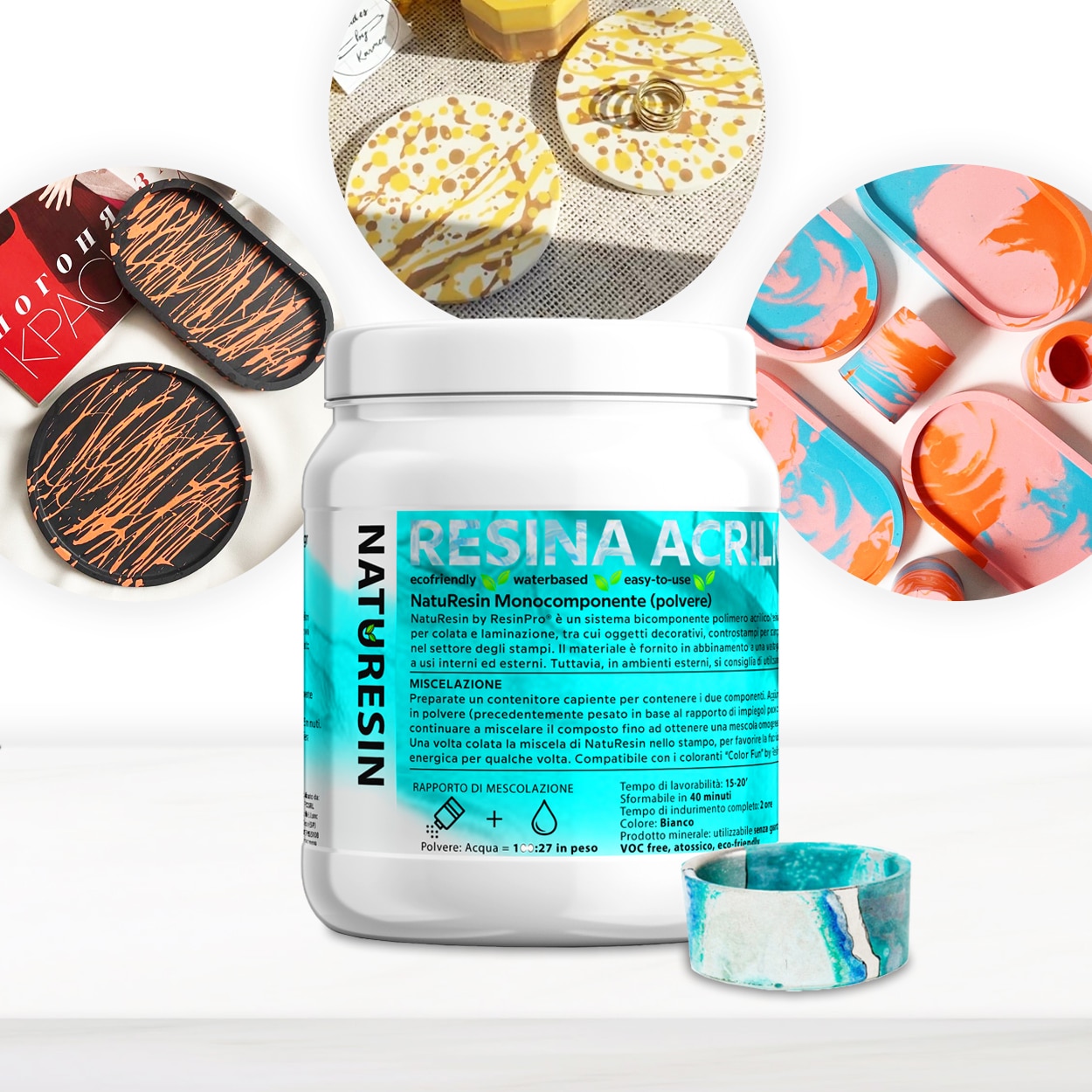
Even with proper regeneration, resin beads eventually lose their effectiveness. If you start to notice a significant drop in water softness, increased limescale, or a salty taste, your resin may be nearing the end of its useful life. While some resins last several years, deterioration in performance is a clear sign that replacement is necessary. For a simple, hands-on approach to water management in craft settings, you might consider options such as the NatuResin – Mineral Resin & Water System, ideal for creative casting projects but not intended for water softening appliances.
When This Matters Most
For households with very hard water, or where water quality is critical for appliances, proper resin care is especially important. Staying attentive to water softness and sticking to a maintenance schedule can prevent unwanted build-up and equipment damage.
Related products
Related guides
Keeping on top of resin regeneration and timely replacement helps ensure efficient decalcification for your drinking water. For more detailed guidance, explore our main FAQ on how to decalcify drinking water using resins.