 Free shipping on orders over £29,85
  Shipping Tracking!


 Google
 Facebook
How do you dilute food-grade epoxy paint?
Step-by-step guide for safer, flawless food-safe finishes

If you need to modify the viscosity of your food-grade epoxy paint for specific applications—such as coating plates, cutting boards, or other surfaces—it’s important to dilute it properly. This guide will walk you through the safe, practical steps to ensure effective coverage while retaining all food safety standards.
What You’ll Need
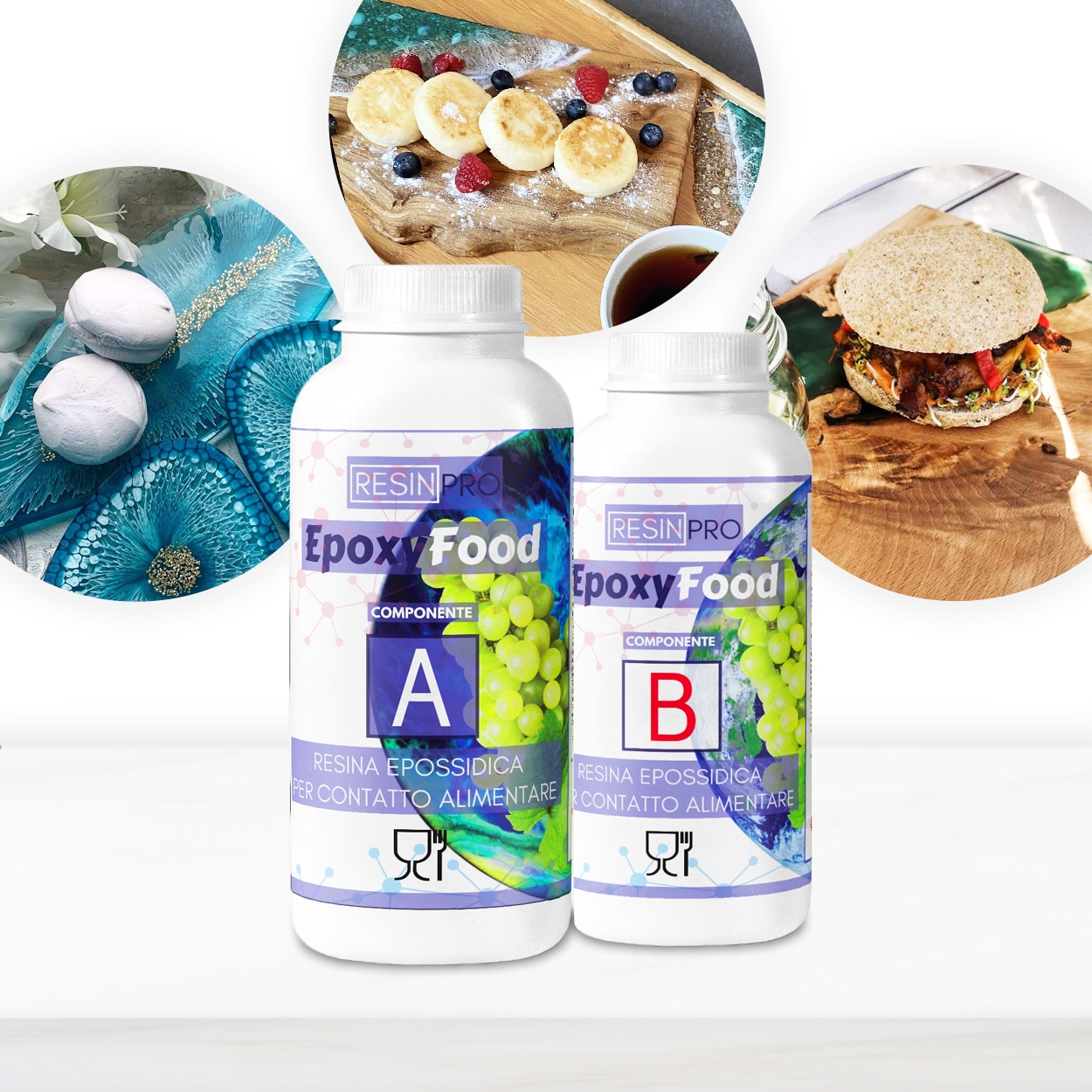
- “EpoxyFood” – Certified Clear Food Contact Epoxy Resin for Coating: A clear, certified epoxy resin suitable for direct food contact applications.
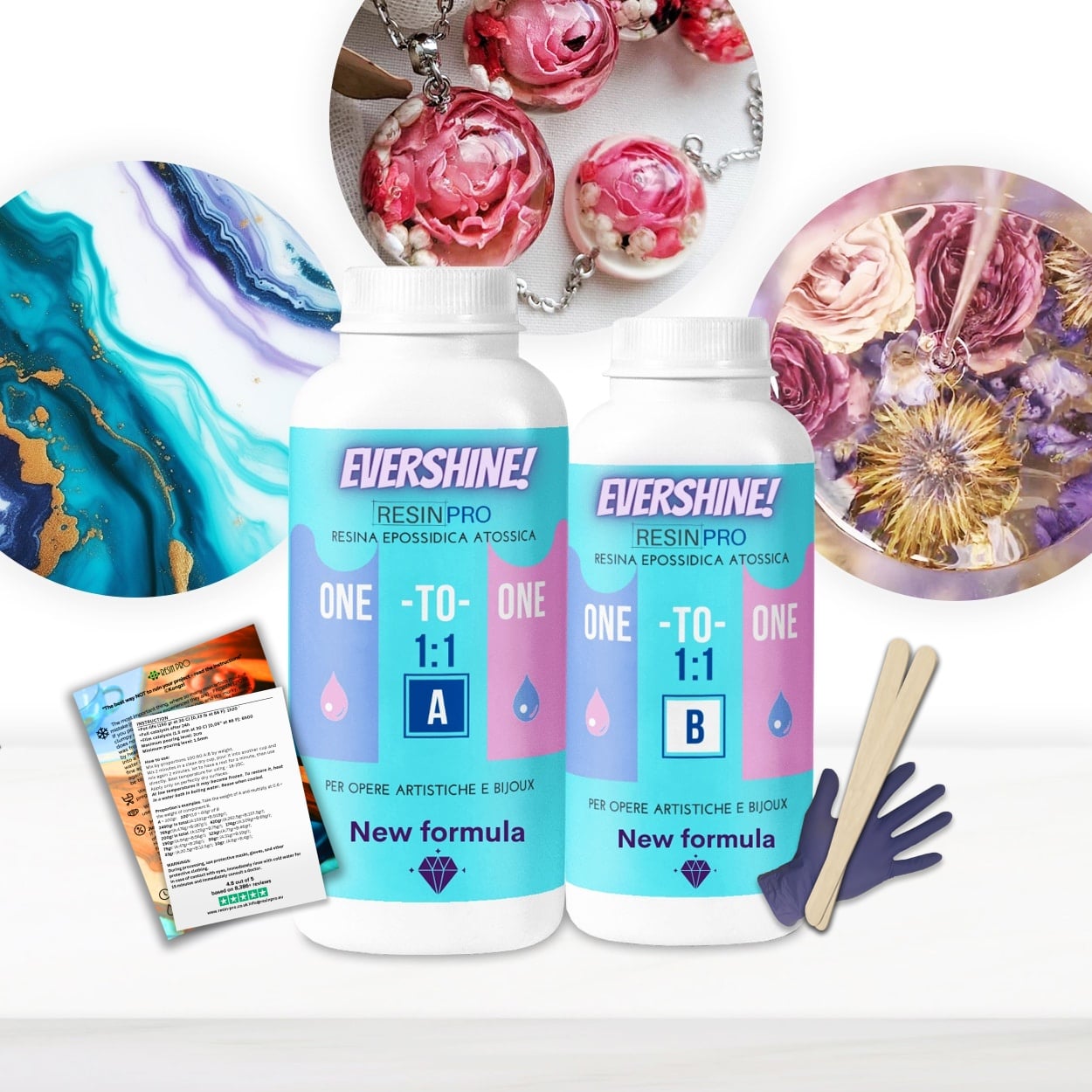
- “One-2-One” – Epoxy Resin for Handcraft, 1:1 Mixing Ratio: For those preferring easy 1:1 ratios, this medium viscosity resin is ideal for decorative applications.
- Mixing Buckets Kit for Epoxy Resin Art – Easy Clean Flexible Design: Flexible buckets that simplify both measurement and clean-up during the mixing process.
- Clean stirrers or spatulas
- Protective gloves and a well-ventilated workspace
- Small amounts of potable (drinkable) water or manufacturer-approved thinner if permitted. Always check the manufacturer’s directions before adding any diluent to a food-grade resin.
See Mixing Epoxy in Action
Watch how flexible mixing buckets simplify the dispensing and blending of epoxy resins, ensuring clean preparation every time.

Step 1: Measure Your Epoxy Precisely
Begin by carefully measuring your food-grade epoxy resin according to the manufacturer’s guidelines. Accurate ratios are crucial for both performance and safety—incorrect mixing can compromise both durability and food safety certification. Use the Mixing Buckets Kit for Epoxy Resin Art – Easy Clean Flexible Design for an accurate volume-based measure and to streamline the process.
Double-check your measurements—never estimate by eye. Ensure all equipment is clean and free from contamination, as even trace residues may interfere with the epoxy’s curing or food-safe status.
Step 2: Blend Slowly and Carefully
Combine the two components (resin and hardener) as instructed, mixing slowly to prevent air bubbles. Scrape the sides and bottom of your mixing bucket to achieve a fully homogeneous blend. Slow and gentle mixing promotes even curing and keeps the finish free from pinholes or cloudiness.
The “One-2-One” – Epoxy Resin for Handcraft, 1:1 Mixing Ratio makes this process especially easy if you’re working on small-scale or decorative projects, thanks to its straightforward equal-parts ratio.
Step 3: Add Your Diluent (If Permitted)
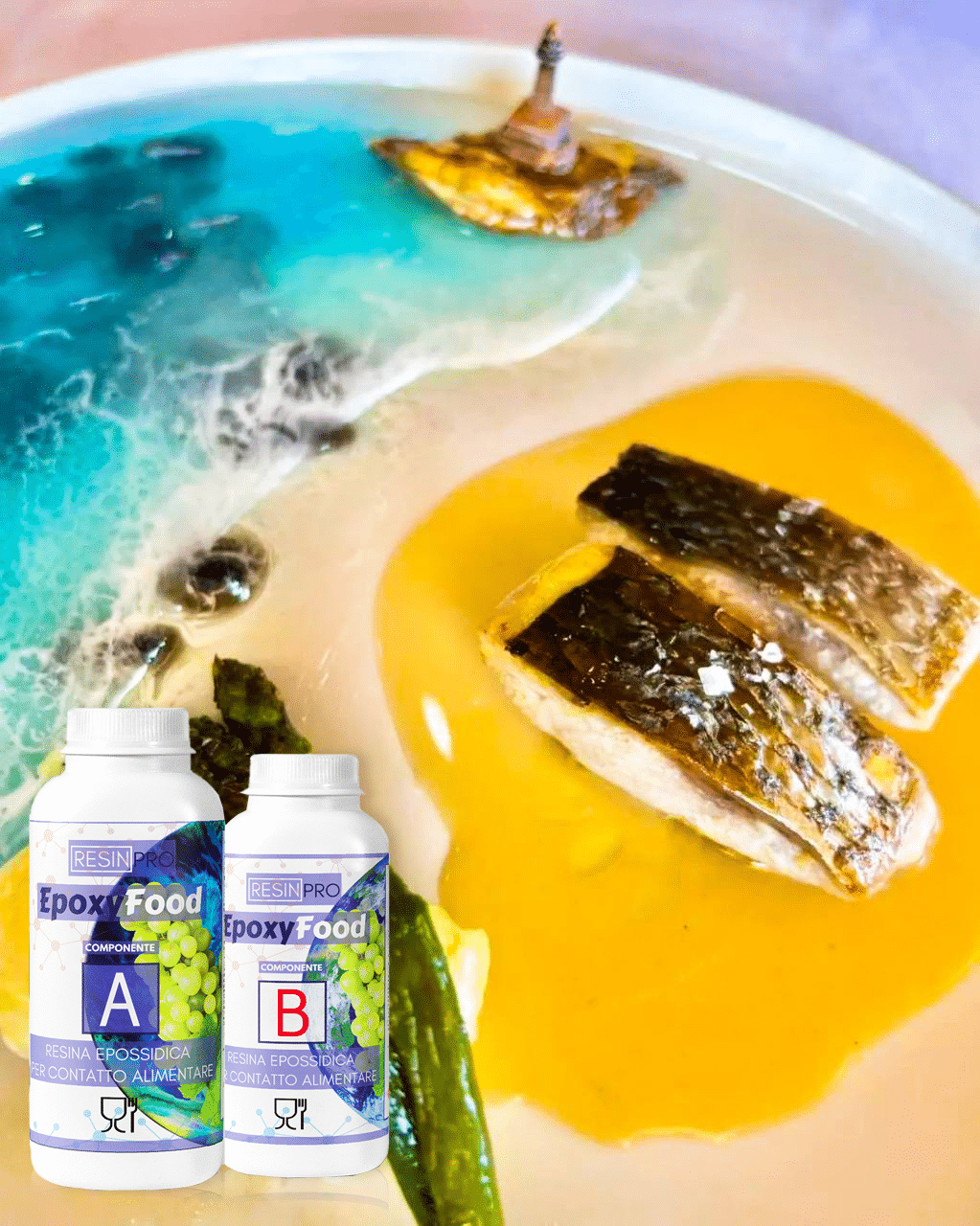
Only add potable water or an approved thinner if the manufacturer of your resin specifically allows it, and never exceed recommended limits—food-grade resins such as “EpoxyFood” – Certified Clear Food Contact Epoxy Resin for Coating are designed to work best undiluted. If dilution is allowed, add tiny amounts at a time and mix thoroughly. Over-diluting can weaken the epoxy or risk losing its food-safe certification.
Continue blending until you achieve the desired consistency, being careful not to introduce foam or bubbles.

Step 4: Apply the Epoxy Paint Evenly
Once your mixture reaches the optimal viscosity, promptly apply it to your clean, prepared surface. Use a brush or spreader designed for food-safe finishes. Move steadily across the item, covering it with a thin, even coating to minimise drips and ensure complete coverage.
Work within the product’s stated pot life (the time before the mixture starts to cure in the bucket) and avoid leaving mixed resin standing, which may thicken or set prematurely.
Tips to Avoid Common Mistakes
Avoid Excessive Dilution: Only dilute food-grade epoxy if the manufacturer specifies it is safe, as unauthorised thinning may void certification and reduce performance.
Work Within Pot Life Limits: Prepare only the amount you need at each stage and work briskly. Discard any unused, partially cured resin.
If unsure about which epoxy or mixing method to use, review the manufacturer’s food safety documentation before proceeding.
Food-Safe Epoxy Surface Results
Explore finished examples of food-grade epoxy coatings on plates and cutting boards for safe and visually stunning results.

- "EpoxyFood" – Certified Clear Food Contact Epoxy Resin for CoatingOriginal price was: £39.00.£32.85Current price is: £32.85.EpoxyFood is a clear, food-safe resin suitable for coating plates and cutting boards with a gloss finish suitable for food contact surfaces.
- "One-2-One" – Epoxy Resin for Handcraft, 1:1 Mixing RatioPrice range: £14.85 through £56.85"One-2-One" epoxy resin features easy 1:1 mixing and a crystal clear finish, suitable for various handcraft projects in the specified theme.
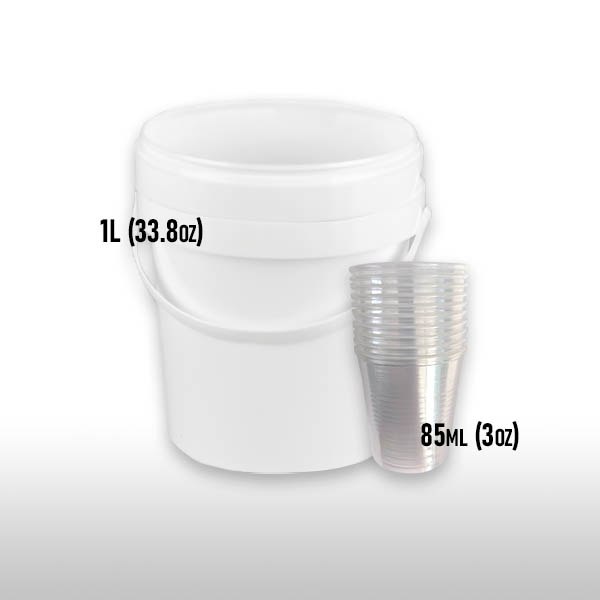 Mixing Buckets Kit for Epoxy Resin Art – Easy Clean Flexible DesignPrice range: £1.95 through £8.35Mixing Buckets Kit designed for resin artists, suitable for easy and versatile epoxy resin mixing.
Frequently Asked Questions
Can I use water to dilute food-grade epoxy paint?
You should only use water if the manufacturer specifically allows it. Most food-safe epoxies are best applied undiluted.
How much diluent can I add to food-grade epoxy resin?
Never exceed the manufacturer's recommended amount. Excess dilution can compromise safety and performance.
Can I thin EpoxyFood for easier application?
EpoxyFood is formulated for optimal flow as-is. Additional thinning is generally not required and may affect certification.
Which buckets and tools are best for mixing food-grade epoxy paint?
Choose flexible, easy-clean mixing buckets and clean stirrers to prevent contamination and ensure accurate ratios.
Can I dilute One-2-One epoxy resin for craft projects?
One-2-One is ready to use and seldom needs thinning. Any additives should be approved by the supplier.