 Free shipping on orders over £29,85
  Shipping Tracking!


 Google
 Facebook
← Back to How to paint a resin model
Encountering issues with paint not adhering to your resin model can be frustrating, but it is usually straightforward to resolve with the right approach. Here’s how you can troubleshoot and ensure a lasting, professional finish.
Preparing the Surface Properly
The most common reason for poor paint adhesion is a surface that hasn’t been thoroughly cleaned. Resin models can retain mould release agents, dust, or lingering oils from fingerprints which hinder paint from bonding. Begin by carefully washing the model with mild soap and lukewarm water, using a soft brush to get into details, then allow it to dry completely. Avoid using harsh chemicals, as these may damage the resin.
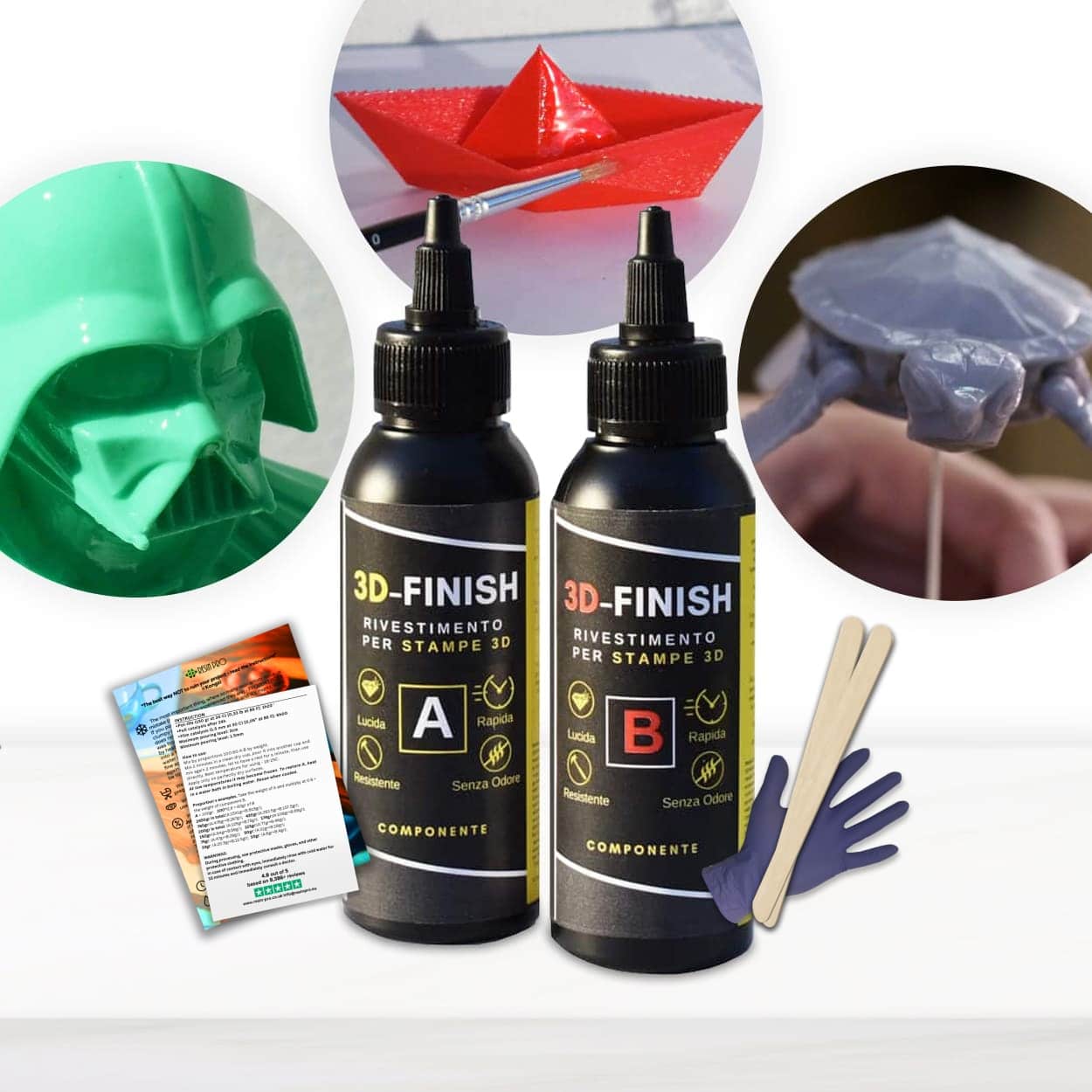
If you’re after a particularly smooth finish or need to repair minor imperfections before painting, applying a suitable coating like the “3D Finish” – Fast Coating Epoxy Resin for 3D Prints can help to further prepare your model before painting.
Choosing and Curing Your Primer
For best results, always use a primer that is compatible with resin surfaces. Priming not only helps paint grip but also highlights flaws that might require further smoothing. Make sure the primer is applied evenly and give it the recommended curing time according to the manufacturer instructions – rushing this step can cause the paint to lift or not set at all.
A fully cured and compatible primer creates an ideal base for both acrylic and enamel paints on resin models.
Tools and Application Tips
Your choice of brush and painting technique can also impact the final outcome. Select brushes that suit the detail level of your model – synthetic options like the 12-Piece Artists Paint Brush Set are designed for use with resin and provide smooth coverage. For areas prone to overpainting or for easy clean-up, a disposable set like the 5-Piece Disposable Paint Brush Set may offer added convenience.
When This Matters Most
Securing proper paint adhesion is crucial for display models, gaming miniatures, or any project where durability and appearance are key. Taking the time to clean and prime correctly helps preserve your hard work and keeps the finish looking great over time.
Related products
Related guides
If you keep experiencing problems even after prepping and priming, revisit the basic cleaning steps or consider specialist coatings. For more tips and a complete guide, see our main advice on how to paint a resin model.