 Free shipping on orders over £29,85
  Shipping Tracking!


 Google
 Facebook
← Back to How do you make resin-coated paper flowers?
To achieve a flawless, glass-like coating on your paper flowers, it’s vital to allow enough time for the resin to cure fully and evenly. This key step ensures a long-lasting decorative finish and prevents accidental fingerprinting, cloudiness, or warping of the delicate petals.
Why Curing Matters for Resin-Coated Flowers
Proper curing allows the resin to harden completely, which locks in clarity, gloss, and durability for your finished flowers. Handling paper flowers too soon can leave marks, smudges, or even distort the resin layer, undermining your hard work. Even curing not only improves aesthetics but also strengthens the protective coat, helping your flowers resist scratches and everyday wear.
How to Ensure Full and Even Curing
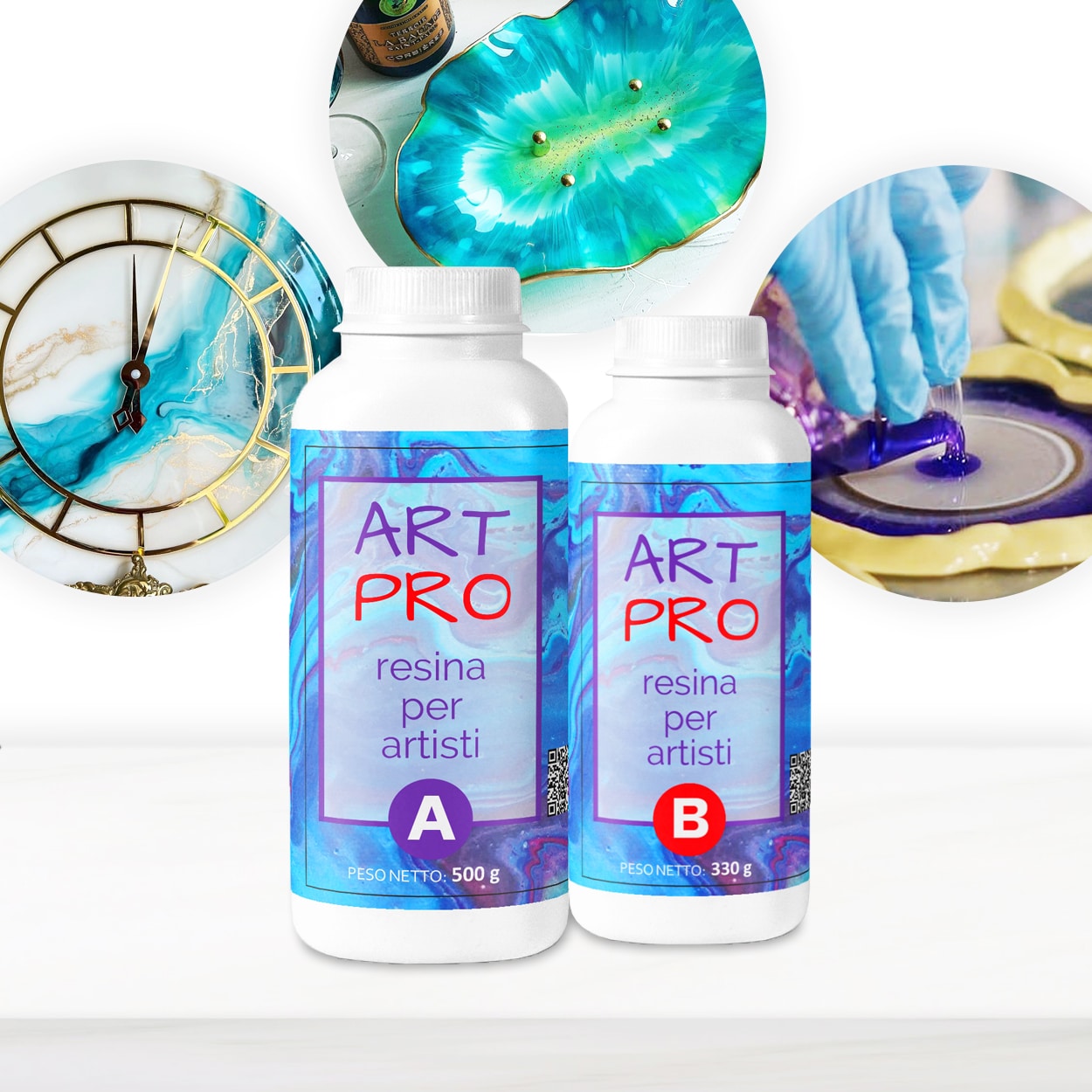
Start by applying your chosen epoxy in a stable, dust-free environment, keeping the flowers flat to avoid drips or uneven pooling. Select a suitable resin such as Art Pro, “One-2-One”, or a starter kit that supports thin, smooth coats. Be sure to mix carefully, following package ratios exactly, to avoid sticky residues.
- Leave coated flowers untouched on a level surface for the manufacturer’s recommended cure time (often 12–24 hours).
- Cover the pieces to shield from dust but allow airflow to minimise surface imperfections.
- Check edges and underside for tackiness before lifting or moving.
When This Matters Most
If your flowers will be displayed at eye level, gifted, or included in more intricate designs like resin jewellery, a perfect finish is essential. Rushing the curing step can compromise both the look and the longevity of your creation.
Related products
Related guides
By waiting for a full, even cure before handling, you set the stage for professional results when making resin-coated paper flowers. For a complete project guide or more resin tips, return to our main paper flower resin crafting FAQ.