 Free shipping on orders over £29,85
  Shipping Tracking!


 Google
 Facebook
How do you make resin-coated paper flowers?
Step-by-step guide for durable, glossy handmade blooms

Transform your handmade paper blooms into everlasting miniatures with a protective, high-gloss finish. This guide covers each stage of the resin coating process step by step, equipping both beginners and experienced crafters with the know-how to achieve stunning, durable results. Whether for bouquets, decorative displays, or jewellery, resin-coated paper flowers blend creativity with professional durability.
What You’ll Need
- Paper flowers (homemade or pre-made, fully dry)
- Gloves, apron, and a well-ventilated area
- Disposable cups or mixing containers
- Wooden or silicone stirring sticks
- Brush or pipette for resin application
- Plastic sheet or silicone mat for drying
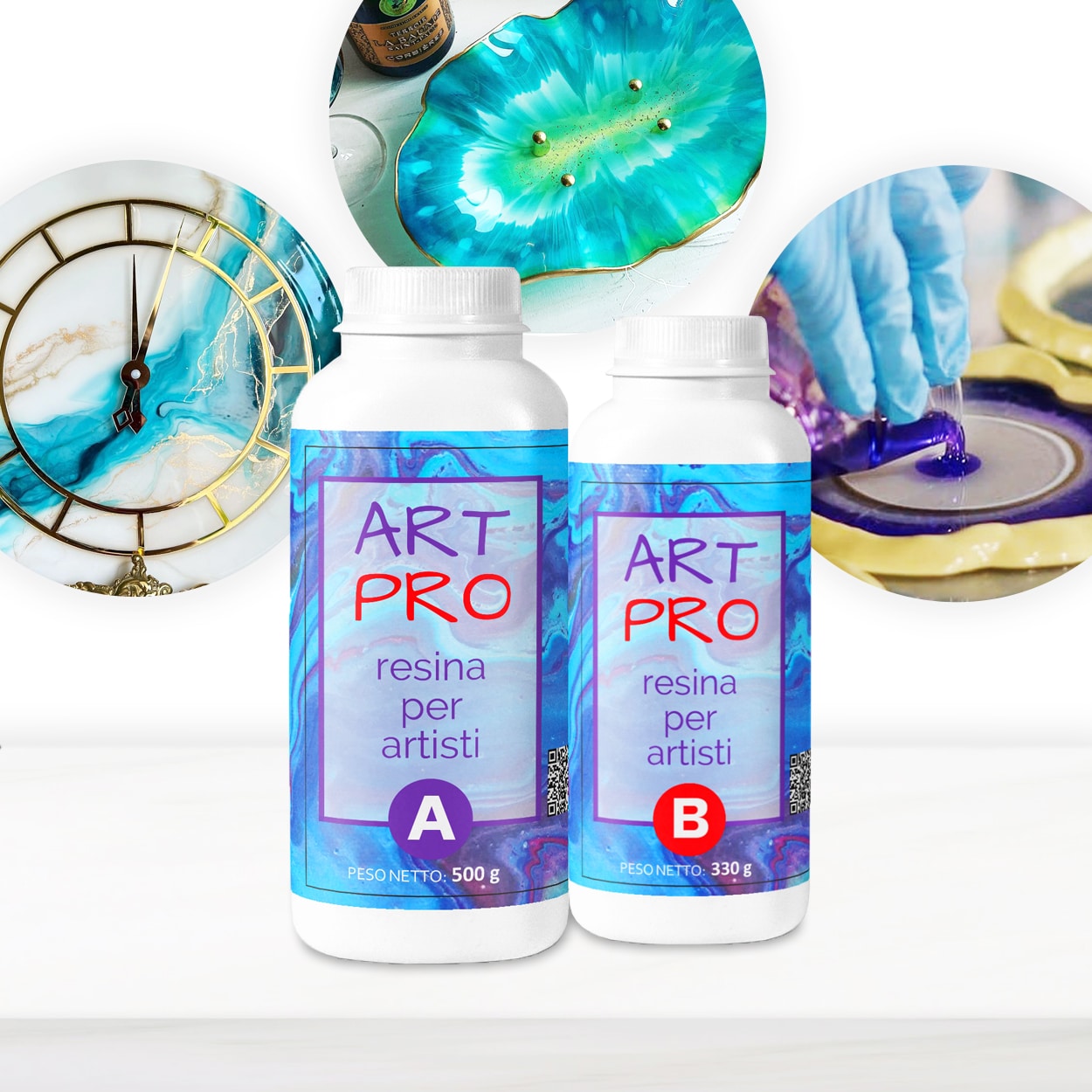
- “Art Pro” – Clear Epoxy Resin for Artists and Surface Coating (for exceptional clarity) or “One-2-One” – Epoxy Resin for Handcraft, 1:1 Mixing Ratio (suitable for easy mixing)

Essential Tools and Materials for Best Results
Gathering all your supplies before you begin saves time and helps avoid rushing during resin working time. Choose a resin designed for surface coating to ensure clarity and long-term durability. Safety gear and organised tools make the process smooth and enjoyable.

Step 1: Prepare Your Workspace and Flowers
Plan your workspace with ventilation and protection to ensure safety and convenience while using resin. Cover the working area with a plastic sheet or silicone mat to catch any drips. Wear gloves and an apron to protect your skin and clothing. Ensure your paper flowers are completely dry and dust-free, as moisture or debris can cause blemishes in the finished coating. Arrange your flowers with enough space around each for resin application and drying.
Step 2: Pre-Seal and Secure Delicate Paper Blooms
Paper is naturally absorbent, so it’s advisable to pre-seal the flowers to reduce resin absorption, especially on very thin or brightly coloured petals. You can use a clear-drying spray sealer or diluted PVA before introducing resin. Allow sealer to dry fully for several hours. Secure each flower to a stick or skewer if you need to suspend it for drying, helping to keep the resin coat even and preventing unwanted marks.
Step 3: Mix Resin Thoroughly
Mix resin thoroughly and precisely according to the manufacturer’s instructions to ensure a uniform, bubble-free result. For clarity and ease, “Art Pro” – Clear Epoxy Resin for Artists and Surface Coating is ideal; follow the 3:2 mixing ratio by weight. If you prefer a simpler 1:1 ratio, “One-2-One” – Epoxy Resin for Handcraft, 1:1 Mixing Ratio is recommended for beginners. Stir slowly to minimise air bubbles, scraping the sides and bottom of your container.

Step 4: Apply Resin Coating Evenly
Apply resin carefully to avoid over-saturation. Using a brush or pipette, apply a thin, even layer of resin onto the paper petals, ensuring it reaches all surfaces but does not pool or flood delicate areas. Rotate the flower as you work to coat all angles and avoid drips. If your flower design is especially intricate, work in stages, letting each coat set slightly before continuing. Be patient—multiple light coats deliver the best clarity and preserve delicate features.
Step 5: Allow for Proper Curing Time
Allow for full and even curing before handling your flowers. Place the freshly coated blooms on a non-stick surface in a dust-free, low-humidity area. Follow the resin’s specified curing time to the letter—usually 12–24 hours for a hard, glass-like result. Early handling or exposure to dust can mar the finish, so patience is vital. Once fully cured, your resin-coated paper flowers will display a durable gloss and lasting vibrancy.
Tips and Troubleshooting for Resin-Coated Paper Flowers
Work at room temperature for optimal resin flow and minimal bubbles. Always seal paper before coating, particularly if using highly absorbent or brightly dyed materials. Avoid over-applying resin, as this can weigh down delicate flowers and diminish their natural appearance. If sticky spots remain after curing, these are usually due to imprecise mixing; carefully re-coat or use a fresh batch of correctly measured resin for touch-ups. Store finished flowers away from direct sunlight to maintain colour over time.
Showcase Your Resin-Coated Creations
Once your flowers are cured, use them to embellish vases, create lasting bouquets, or add a durable flourish to handmade gifts. Resin-coated blooms are perfect for bespoke decorations that resist fading and damage over time.

- "Art Pro" – Clear Epoxy Resin for Artists and Surface CoatingPrice range: £31.15 through £388.85"Art Pro" clear epoxy resin features a durable, scratch-resistant surface with UV protection, suitable for artistic coatings and decorative projects.
- "One-2-One" – Epoxy Resin for Handcraft, 1:1 Mixing RatioPrice range: £14.85 through £56.85"One-2-One" epoxy resin is a medium viscosity resin designed for crafting clear, glossy decorative items with a simple 1:1 mixing ratio.
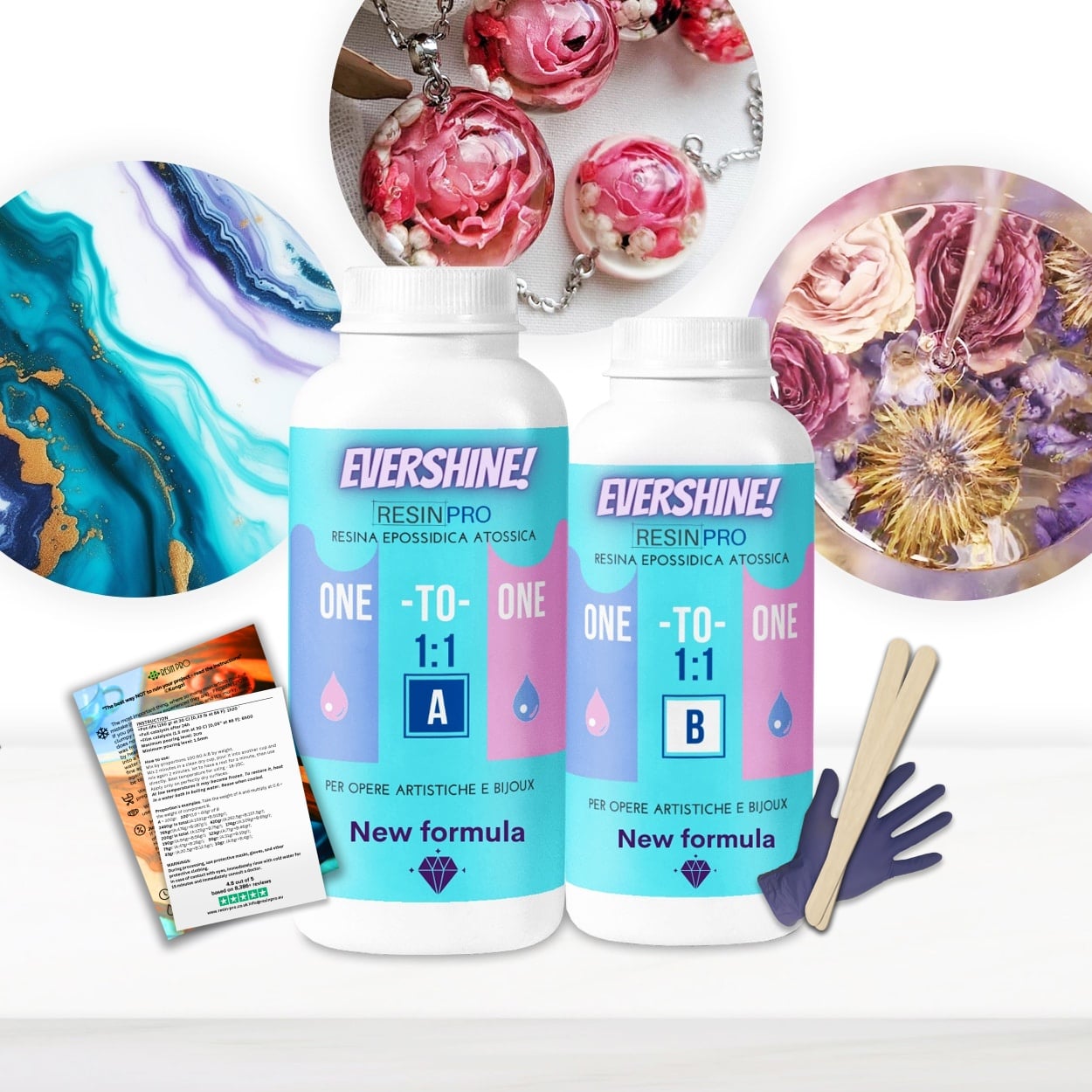
 "Evershine Collection" – Artisan Jewellery Epoxy Resin Kit with 100+ Accessories£20.85"Evershine Collection" is a complete resin jewellery kit with 500g crystal-clear epoxy and 100+ accessories for creative crafting.
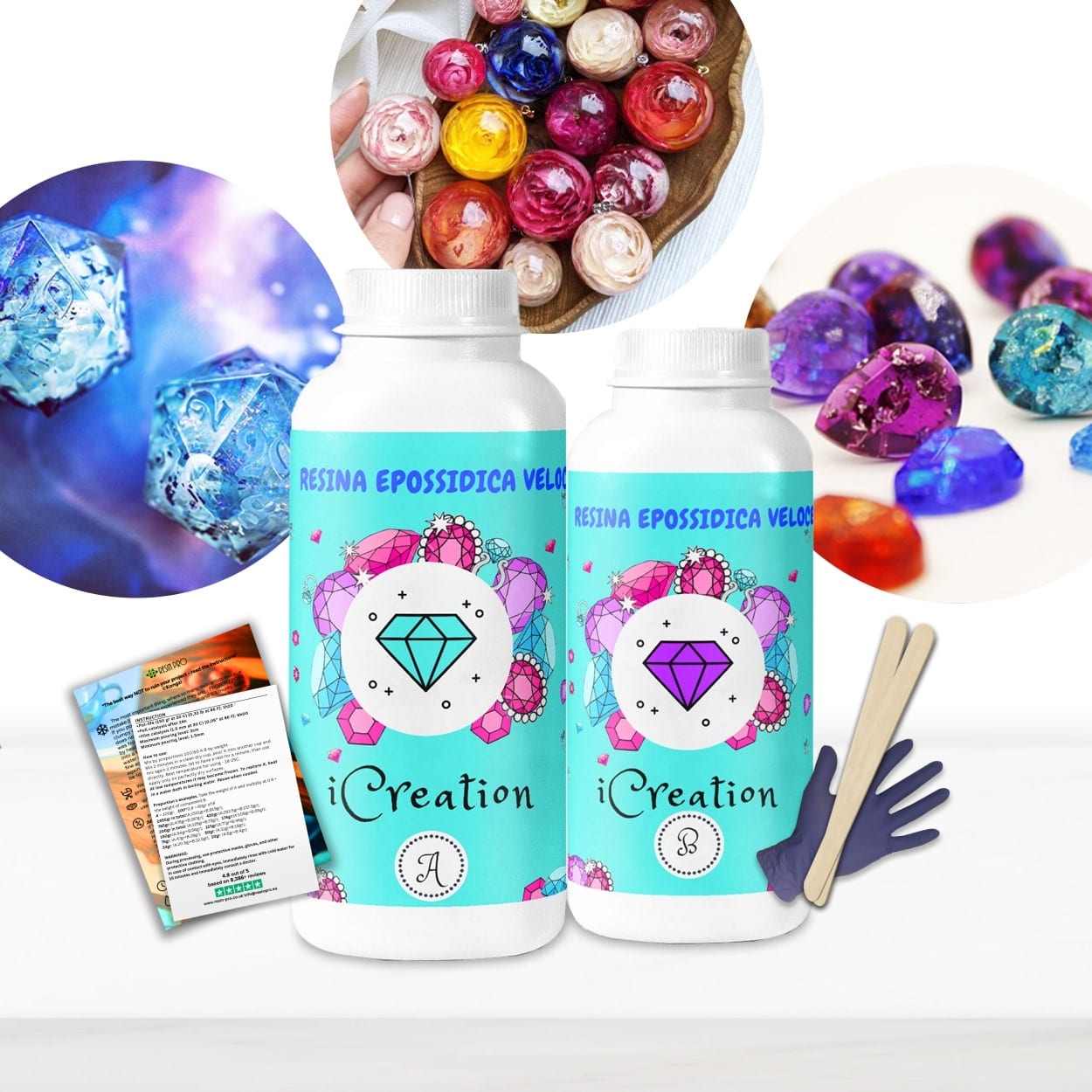 "ICreation" – Fast Epoxy Resin, 6h Demoulding, Transparent Gloss FinishPrice range: £19.40 through £52.85"ICreation" Fast Epoxy Resin offers a transparent, glossy finish with a 6-hour demoulding time, suitable for artists and crafters working under time…
Frequently Asked Questions
Should you seal paper flowers before applying resin?
Yes, sealing prevents bleeding or distortion and helps maintain the strength and colour of delicate paper flowers.
How can I mix resin without bubbles for coating flowers?
Stir resin slowly and carefully scrape the container’s sides. Pour in long thin streams to avoid trapping air.
What type of resin should I use for paper flower coating?
Use a clear, artist-grade epoxy resin with UV protection and easy mixing, such as those designed for surface coating or handcraft.
How many coats of resin are needed to protect paper flowers?
Thin paper flowers usually need 1–2 thin, even coats. Thicker or highly absorbent types may require a third coat for best durability.
How can I cure resin-coated paper flowers without attracting dust?
Cure them in a cover box or under a plastic dome in a clean, dry area. Keep away from airflow and direct contact.
How do I fix sticky or soft resin areas after coating?
Sticky spots are caused by poor mixing or not enough hardener. Scrape off residue and reapply with a fresh batch.