 Free shipping on orders over £29,85
  Shipping Tracking!


 Google
 Facebook
how to make resin floors video
Creating a resin floor offers a modern, seamless, and exceptionally durable finish for any home, workspace, or outdoor area. This guide will walk you through the essential steps involved in making a resin floor, ensuring both visual and structural success—whether you are a first-time DIYer or an experienced installer wishing to follow along with a detailed video tutorial.
What You’ll Need
- “Epoxyprimer” – Universal Water-Based Two-Component Epoxy Floor Primer – for optimal surface adhesion and preparation.
- “Trasparente” – Epoxy Binder for Coloured Pebbles and Grits – ideal for binding and stabilising decorative aggregates.
- Washed Pebbles for Permeable Floors 25kg – Outdoor Resin-Bound Surfaces – pre-washed aggregates for a permeable, decorative finish.
- Mixing bucket, roller or brush, trowel or float, gloves, and standard cleaning materials.
Step-by-step instructions for flawless resin floor results

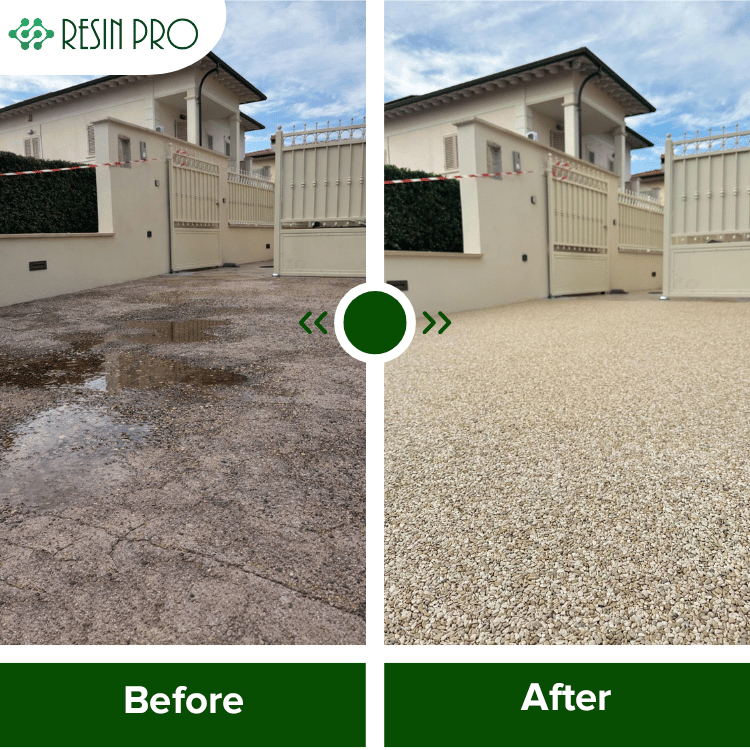
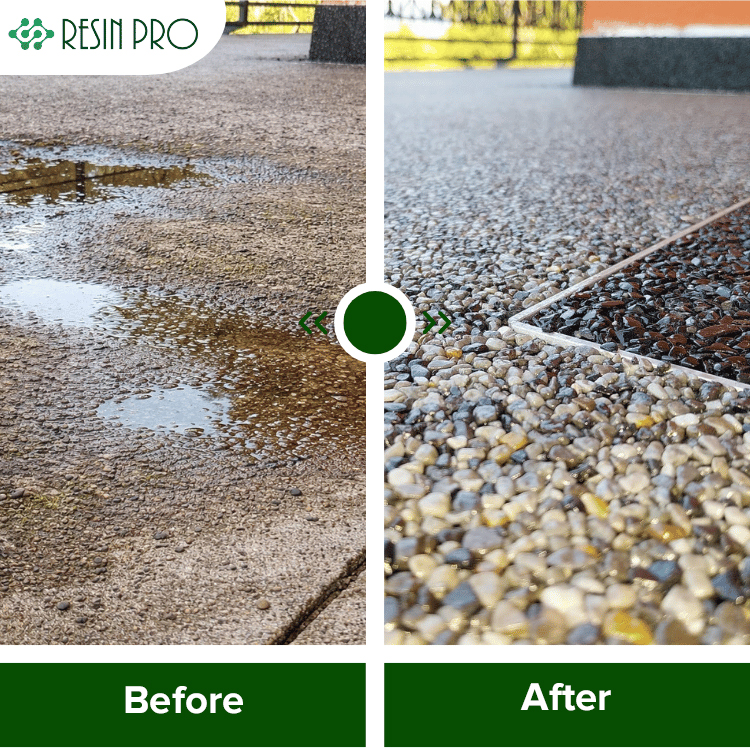
Video Overview: Resin Floor Preparation and Application
Before starting your resin floor project, watch a comprehensive video demonstrating each preparatory step, from surface assessment and priming to mixing resin with aggregates. Visual guidance can help avoid common mistakes and give you confidence in achieving a professional finish.
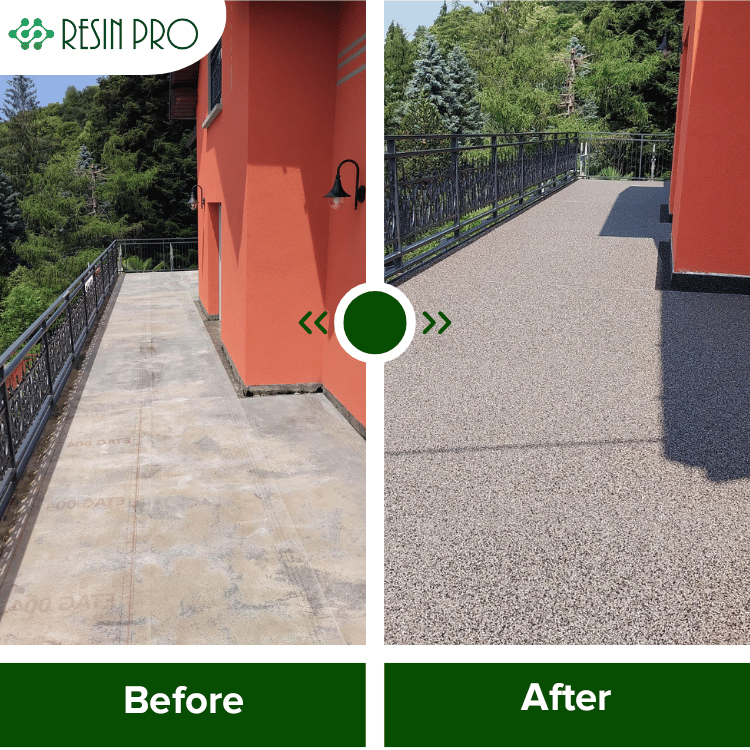
Step 1: Prepare and Prime the Substrate
Start by thoroughly cleaning the floor to remove any dust, grease, or debris. Fill any cracks or holes, and ensure the surface is completely dry before proceeding. For best results, prime the substrate with a dedicated floor primer. This not only improves resin adhesion but also blocks moisture and stabilises the base layer.
Apply “Epoxyprimer” – Universal Water-Based Two-Component Epoxy Floor Primer evenly using a roller or brush. Allow it to cure fully—typically 24-48 hours—before the next step. Skipping or rushing this stage can result in poor bonding or peeling.
Step 2: Mix the Resin Binder and Aggregates
Once your base is primed and dry, weigh out the correct ratio of resin binder to aggregates, following the guidance for your chosen system. Methodically add the “Trasparente” – Epoxy Binder for Coloured Pebbles and Grits to the washed pebbles in a clean mixing bucket.
Stir thoroughly with a suitable tool (or use a mechanical mixer for larger batches) until every stone is evenly coated. Failing to mix adequately may leave dry spots or uneven coverage, compromising both strength and appearance.
Step 3: Apply the Resin-Pebble Mixture
Pour the mixed resin-pebble blend onto the prepared substrate section by section. Use a trowel or float to spread and compact the mixture evenly. Consistent pressure and working in small areas help achieve a uniform layer and eliminate pockets of air or unevenness.
Pay attention to edges and corners, ensuring the application meets skirting or boundaries cleanly. Work efficiently, as the resin will begin to cure; avoid pauses that could lead to visible joints or texture changes.

Step 4: Allow to Cure and Finish
Protect the freshly laid floor from foot traffic, dust, and moisture during the curing process. Curing times vary depending on the product and temperature, but generally, resin floors require at least 24-48 hours before light use and longer for full hardness.
Once cured, inspect the finish closely. A successful floor will be smooth, securely bonded, and have an even decorative appearance. Any surface dust may be gently swept away, and edges can be tidied as needed.

Tips and Common Mistakes
- Always wear suitable gloves and work in a ventilated area to ensure personal safety and minimise vapour exposure.
- Ensure each layer is fully cured before proceeding to avoid compromising adhesion or trapping moisture.
- Clean tools immediately after use to prevent resin hardening, which can ruin equipment and make clean-up difficult.
- Avoid mixing different resin brands or types in one layer as this may cause uneven setting or discolouration.
- Test small areas before large-scale application to check compatibility and final appearance, especially with new substrates or aggregates.
Visual Troubleshooting Guide for Resin Flooring
Refer to process clips or time-lapse images to understand how correct application techniques produce a seamless result. Pay close attention to edge work, mixing consistency, and trowelling, as shown in the demonstration, to match professional outcomes in your own project.
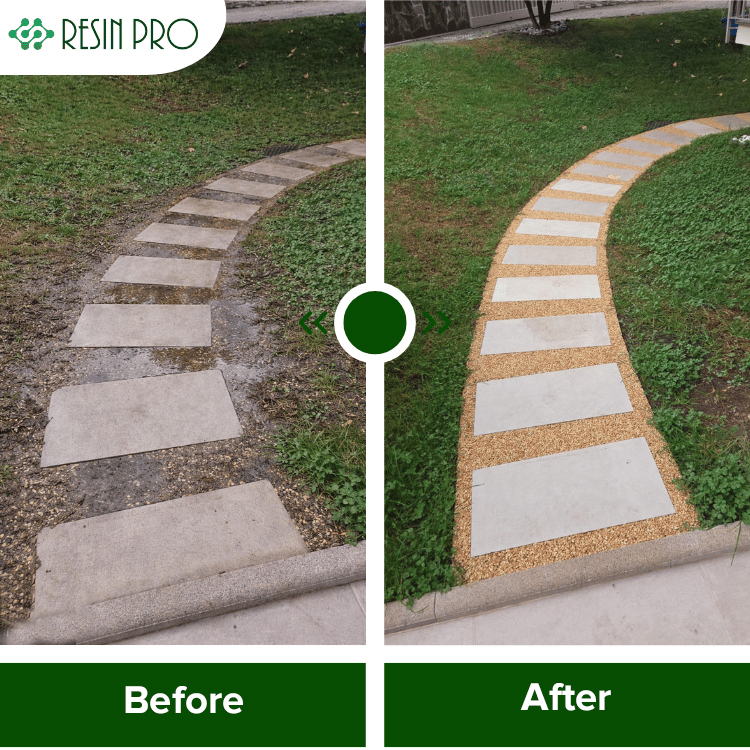
- "Flowstone" – Complete Permeable Floor Kit with Pebbles and ResinPrice range: £42.85 through £3,389.85"Flowstone" kit offers durable, permeable pebble and resin flooring for outdoor spaces with simple application and colour guidance.
- "Epoxyprimer" – Universal Water-Based Two-Component Epoxy Floor PrimerPrice range: £148.84 through £272.45"Epoxyprimer" is a water-based two-component epoxy floor primer suitable for concrete, timber, tiles, and screeds, designed for reliable adhesion in…
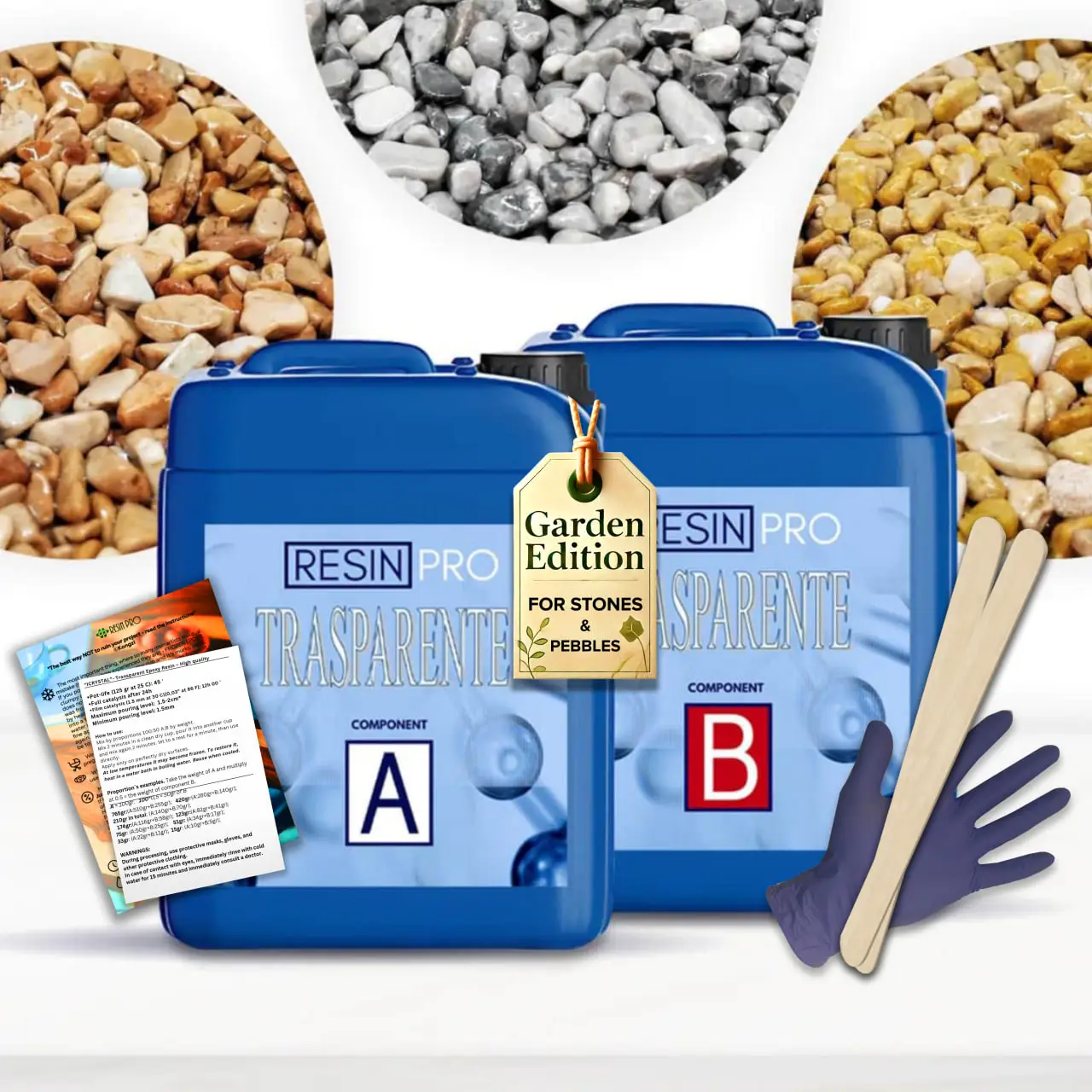 "Trasparente" – Epoxy Binder for Coloured Pebbles and GritsPrice range: £31.85 through £948.85"Trasparente" is a transparent epoxy binder designed for coloured pebbles and grits, suitable for clear and UV stable decorative floors.
- Washed Pebbles for Permeable Floors 25kg – Outdoor Resin-Bound Surfaces£26.85Washed Pebbles for Permeable Floors 25kg suit outdoor resin-bound surfaces for permeable patios and garden paths.
Frequently Asked Questions
How do I choose the right resin for my floor?
Choose based on your substrate and whether you require permeability, UV resistance, or specific decorative effects. Follow the product guidance for best results.
Do I need a primer before installing a resin floor?
Priming is highly recommended for optimal adhesion and durability, especially on concrete, screed, tiles, or timber surfaces.
How long does it take for a resin floor to cure?
Light foot traffic is generally possible after 24-48 hours; full curing and hardness require longer, depending on the resin system and temperature.
Can resin be poured directly onto loose pebbles?
No. Aggregates must be thoroughly mixed with the binder before laying to ensure structural stability and lasting results.
Are there differences between indoor and outdoor resin floors?
Outdoor applications often use permeable systems and UV-resistant binders, while indoor floors may require different primers and decorative effects.
How should I maintain my resin floor?
Regular sweeping and occasional gentle washing is sufficient. Avoid harsh chemicals that could damage the resin surface over time.