 Free shipping on orders over £29,85
  Shipping Tracking!


 Google
 Facebook
← Back to How to Make DIY Silicone Rubber
Keeping your tools and moulds clean after working with silicone is essential to ensure quality results in future projects and to prolong the life of your kit. Acting quickly makes all the difference.
Best Way to Clean Tools Before Silicone Cures
Silicone rubber is far easier to remove before it has fully set. For liquid silicone residues, wipe tools with a suitable solvent (such as isopropyl alcohol) or immediately wash with warm soapy water. Pay attention to mixing cups, spatulas, and any surfaces that contact uncured silicone, as leftover material can harden and become difficult to remove.
Simplifying Clean-up With Non-Stick Products
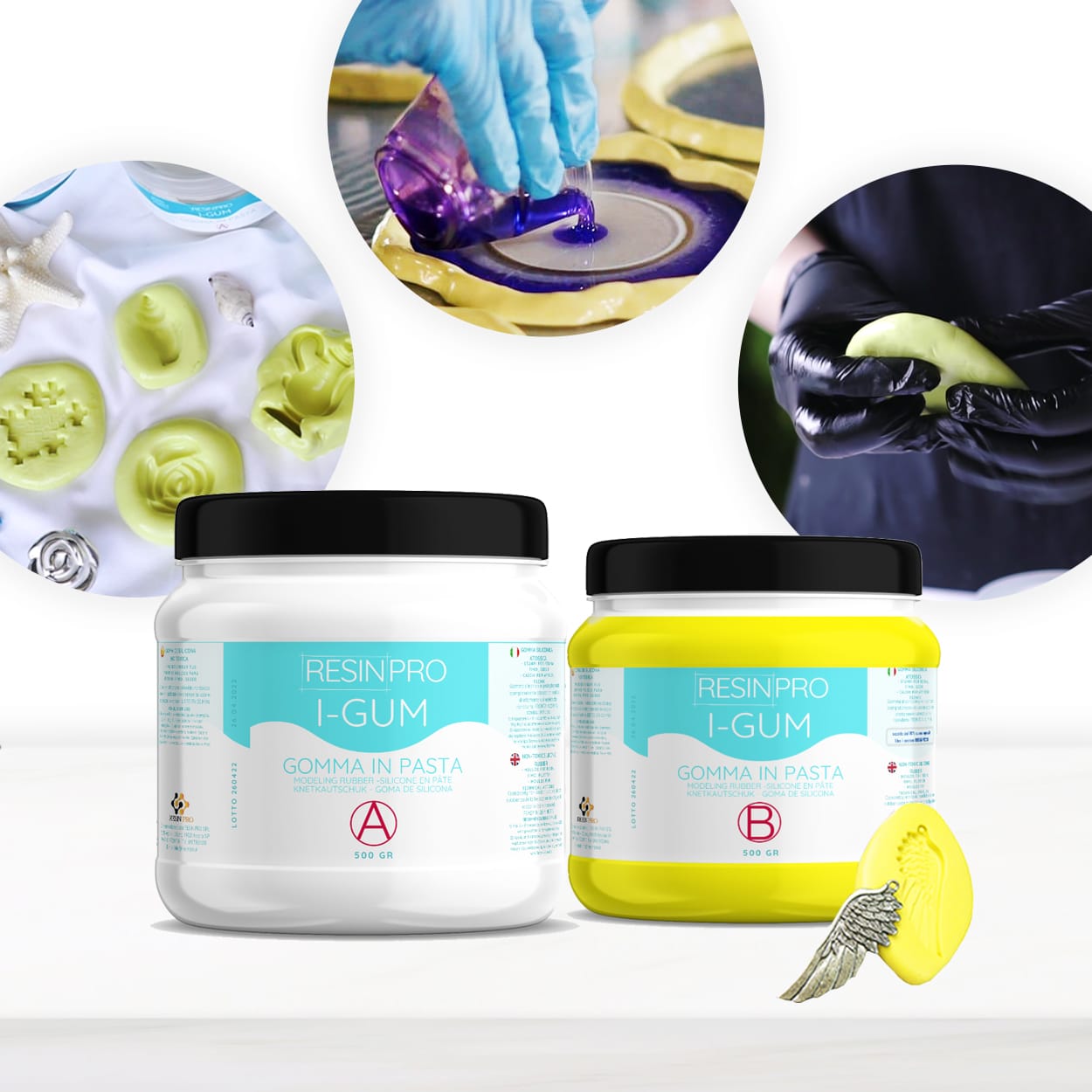
Using non-stick silicone putties like I–Gum Non-Toxic Silicone Putty can make your clean-up easier, thanks to their formulation that minimises sticking. Tools used for kneading these putties often wipe clean or need only a quick wash, reducing down-time between moulding sessions.
Protecting and Maintaining Moulds
For ongoing projects, consider applying a small amount of silicone oil to your moulds before or after use. This barrier helps prevent cured resin or silicone from adhering, extending mould lifespan and further streamlining future cleaning.
Related products
Related guides
With good cleaning habits and the right silicone-friendly products, your mould making and DIY projects will always start with tools in top condition. Explore more expert tips on the DIY silicone rubber guide.