 Free shipping on orders over £29,85
  Shipping Tracking!


 Google
 Facebook
How to Make Resin Miniatures
Step-by-step miniature creation with resin casting methods
Creating your own resin miniatures is a rewarding craft for hobbyists, model makers, and artists alike. Whether you are producing intricate figurines, scale architectural models, or fantasy pieces for table-top gaming, understanding the right techniques is crucial for achieving crisp detail and a flawless finish. This guide breaks down the essential steps, tips, and material choices for successful resin miniature making.
What You’ll Need
- “ICreation” – Fast Epoxy Resin, 6h Demoulding, Transparent Gloss Finish – For clear, detailed miniatures and rapid demoulding.
- “IWhite” – Polyurethane Casting Resin – White, Fast-Curing Two-Part System – Best for rapid casting and intricate moulds.
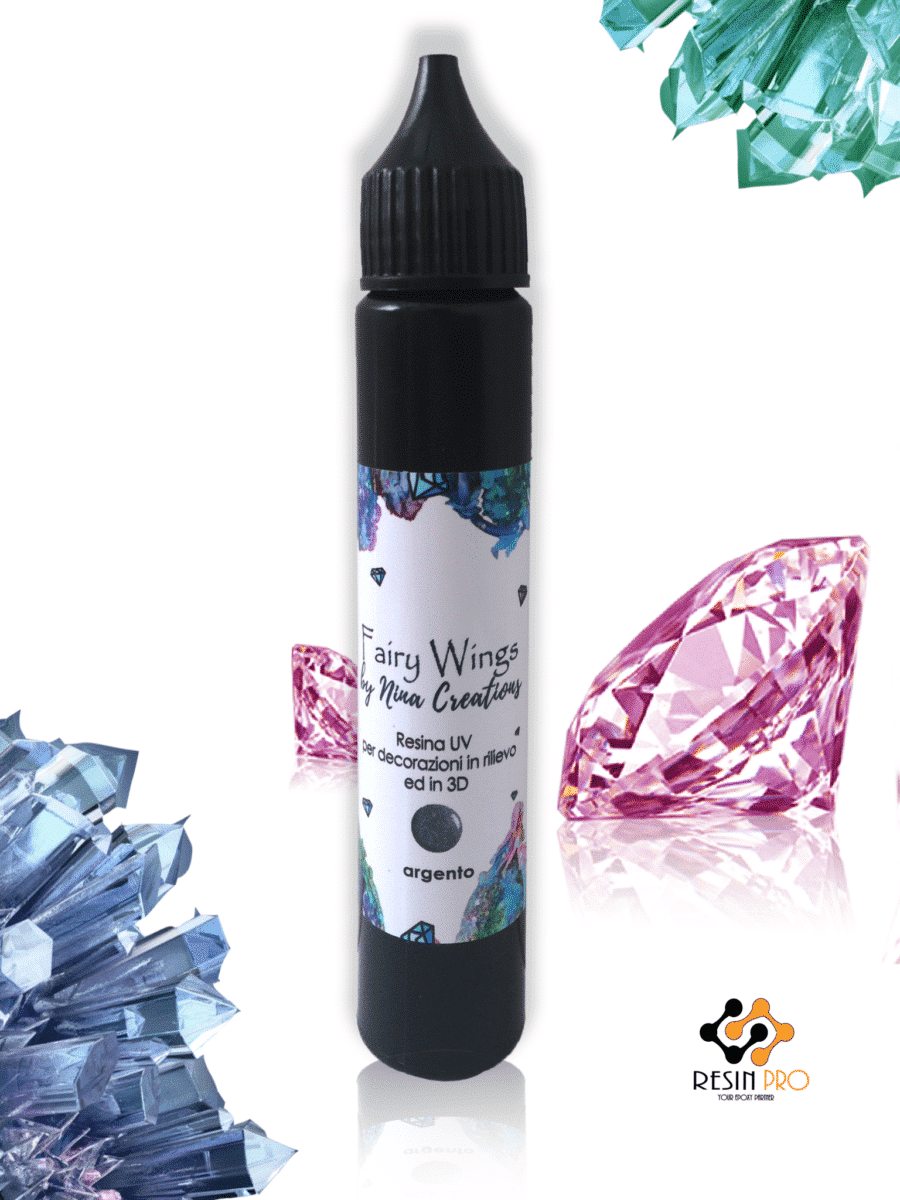
- “Fairy Wings” – UV Resin for Volumetric Reliefs, Dual Colour, 30ml – Ideal for volumetric decorative elements.
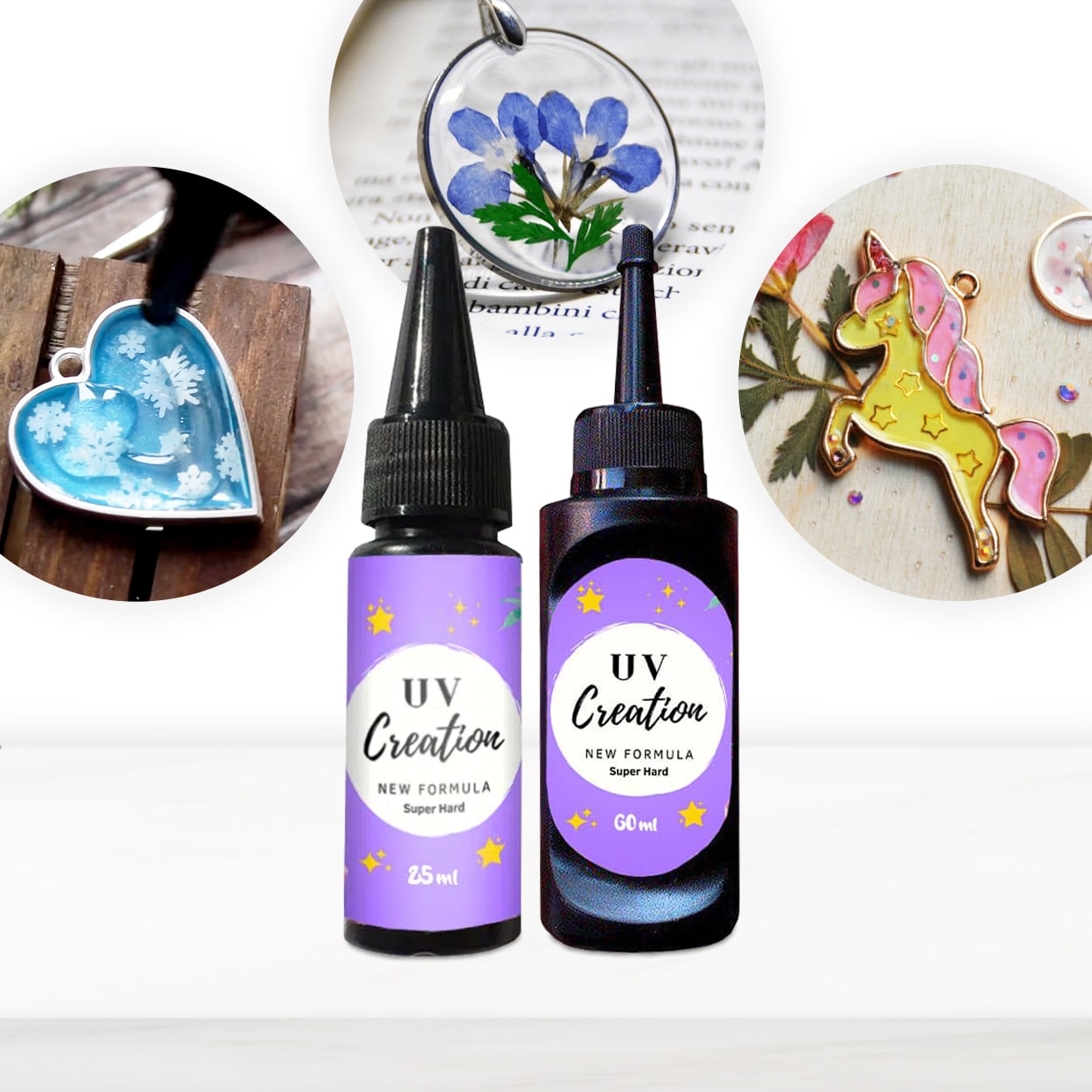
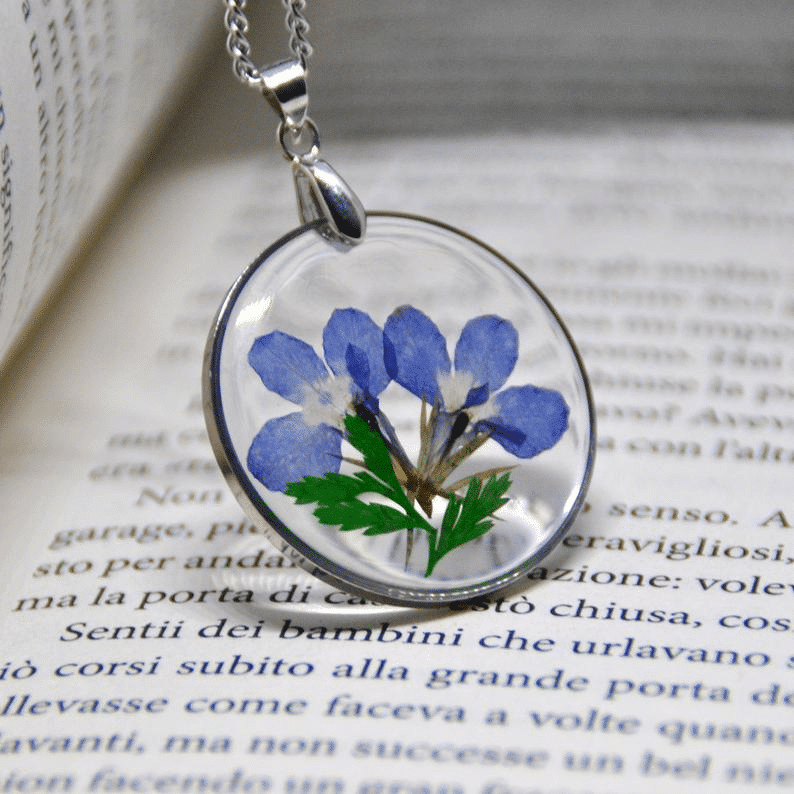
- “UV–Creation” – Fast Acrylic Resin, 3 Minute UV Cure – For fast, crystal-clear results in miniature jewel embellishments.
- Suitable high-detail moulds (silicone recommended)
- Mixing cups, stirrers, and disposable pipettes
- Personal protective equipment (gloves, mask, apron)
- UV lamp (if using UV-curing resins)
- Pigments and paint for finishing, as desired
Essential Tools and Workspace Tips
Lay out your tools and protect your work surface before you start. Arrange moulds, mixing sticks, gloves, and your chosen resin upfront to work efficiently.
Good preparation prevents mistakes and ensures safety and cleanliness—two keys to top-quality miniatures.
Step 1: Plan and Prepare Your Workspace
Before you begin, create a dedicated, dust-free area for your resin work. Lay down protective sheeting and have all your equipment at arm’s reach. Always work in a well-ventilated area and wear gloves to protect your skin from spillages or direct contact with uncured resin. Check your tools and safety equipment: most resins, especially polyurethanes and epoxies, emit some fumes that you should avoid inhaling directly.
Choose the models or objects you wish to recreate and select your moulds. Choose the right mould for the level of detail required—silicone is best for capturing intricate patterns and small forms. Give your moulds a quick inspection or a light wash if they have been used before to avoid unwanted residue impacts on your cast.
Step 2: Mix and Measure the Resin Components
The accuracy of your mixture plays a pivotal role in the quality of your finished miniature. Measure your resin and hardener carefully to avoid curing issues. For epoxy resins like ICreation, use the recommended 2:1 ratio and mix thoroughly for several minutes. Polyurethane resins such as IWhite require careful combination of their A and B components—work swiftly, as polyurethanes are fast-setting. For UV-curing types, like Fairy Wings or UV–Creation, their one-component system means no mixing but ensure material is at room temperature and bubble-free.
Take your time when mixing components to avoid incomplete curing or unwanted bubbles. Scrape the sides and bottom of your mixing cup to combine everything evenly, and let the mixture rest briefly to allow bubbles to rise.
Step 3: Pour and Cure the Resin in Moulds
Carefully pour the mixed resin into your prepared silicone moulds. Pour resin slowly to minimise bubbles and ensure good surface coverage. For deep or narrow areas, you may wish to use a disposable pipette for added precision. Gently tapping the mould can help release trapped air before curing begins.
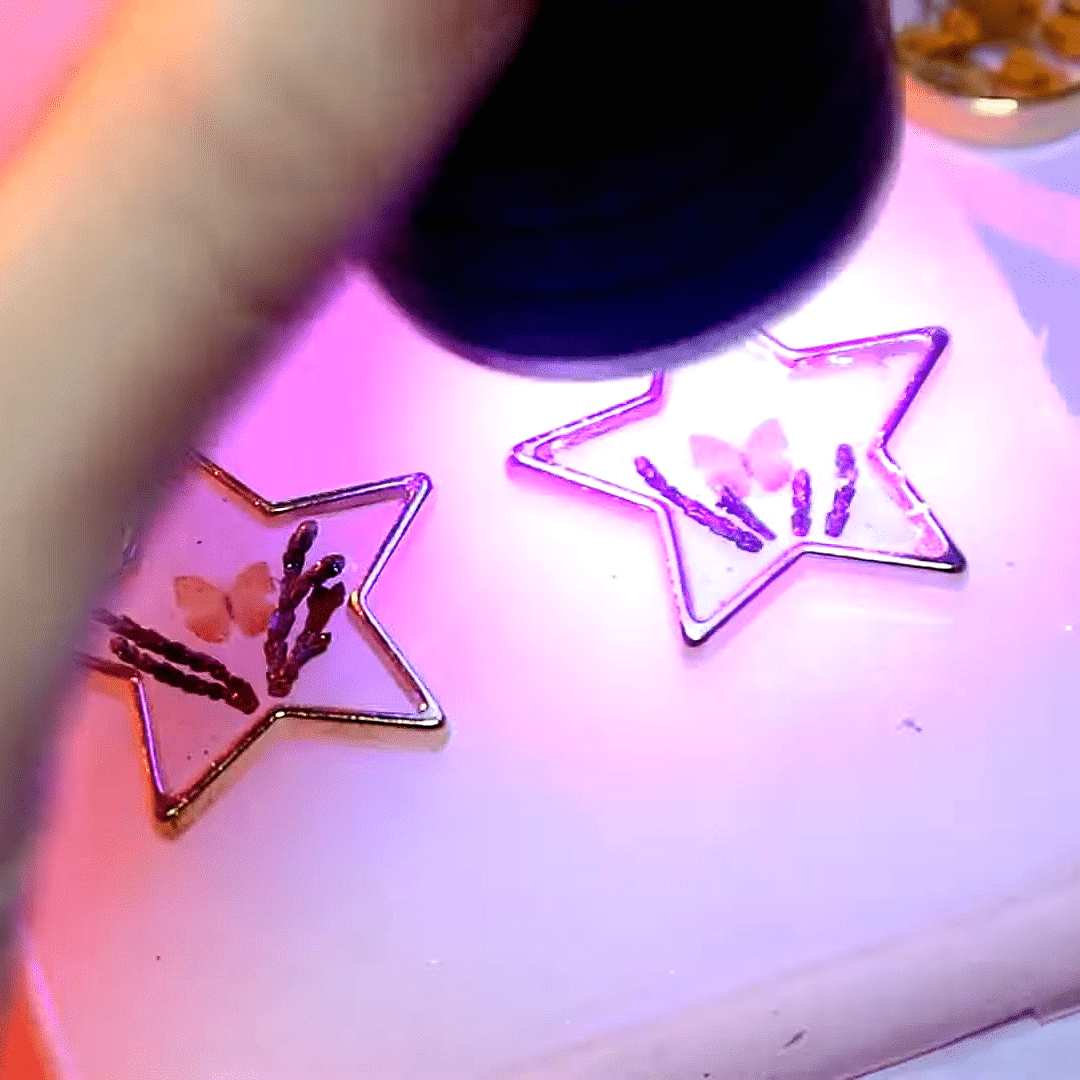
Depending on your resin choice, cure the miniature according to product instructions: ICreation requires 6 hours to demould, IWhite typically sets in 30 minutes, and UV resins solidify in 2–5 minutes under the correct lamp. Avoid moving the moulds during this time to ensure your miniatures set level and free of surface distortions.
Step 4: Demould and Finish Your Miniature
Once your resin is cured, gently flex the mould to release your miniature. Demould gently to protect delicate elements and fine details. Inspect for excess resin flash or rough edges and carefully trim these with a craft knife or fine sandpaper.
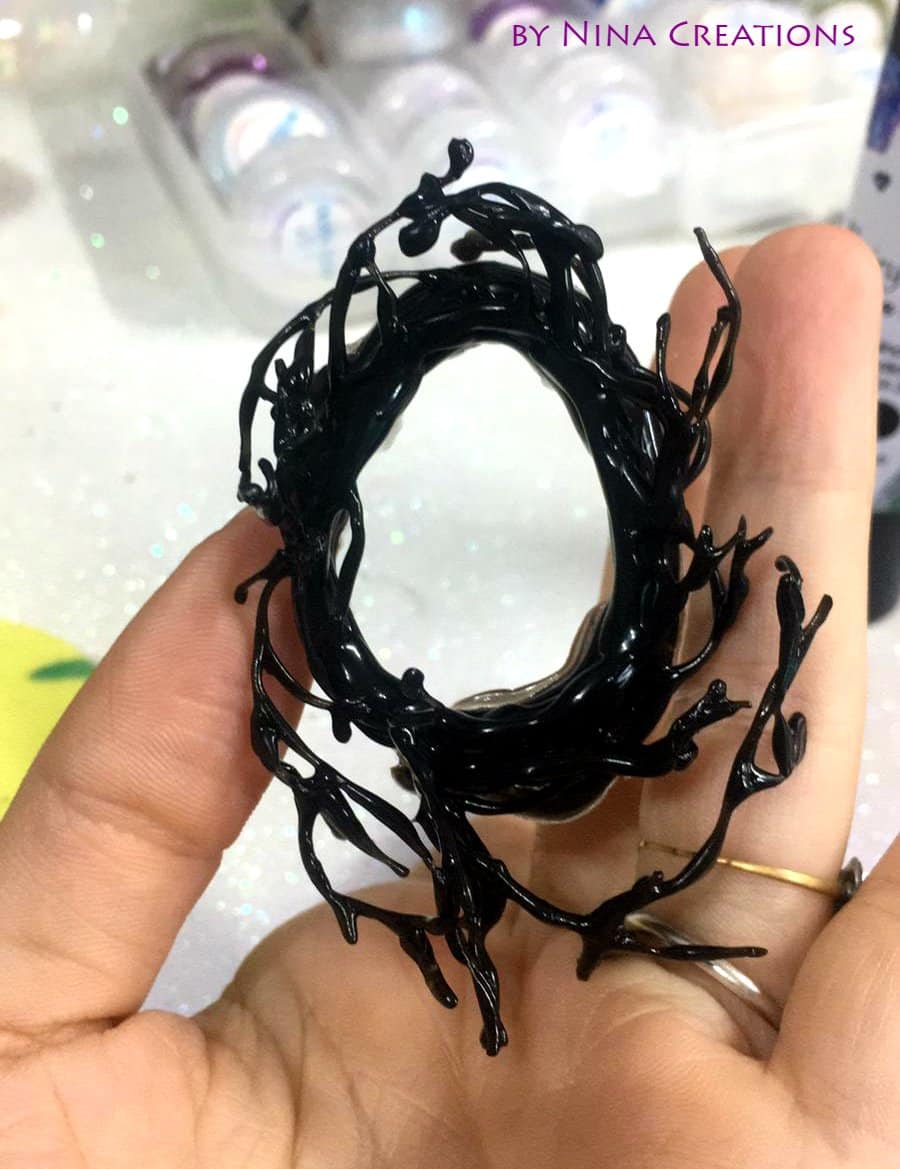
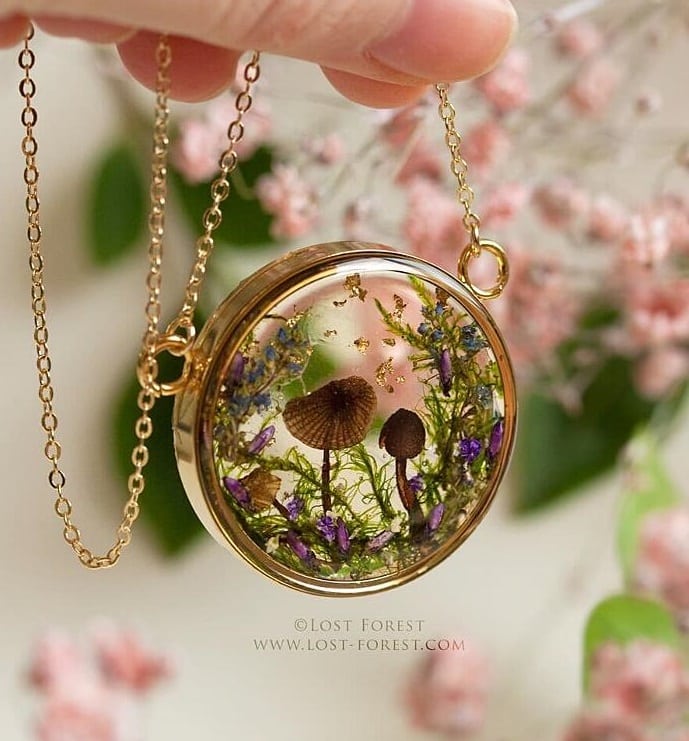
If you wish to add extra effects, consider using paints, pigments, or additional resin overlays for layered designs. For intricate surface textures or decorations, UV gels such as Fairy Wings – UV Resin for Volumetric Reliefs, Dual Colour, 30ml are excellent for building up volumetric highlights and coloured accents.
Tips, Common Mistakes, and Troubleshooting
Keep your workspace and moulds clean to reduce dust and surface blemishes. Always double-check resin ratios—improper mixing leads to soft, sticky, or uncured sections. For deep or large miniatures, work in layers to reduce the risk of trapped bubbles and overheating during curing.
With UV resins, avoid using alcohol-based tints which may disrupt curing. If your miniature is not releasing smoothly from the mould, a drop of gentle hand soap in water can help, but do not force delicate rims. Practice patience and precision in each step for best results.
Fine-Tuning Results in Miniature Making
Take your time with mixing, pouring, and demoulding for precision. Rushing these stages often leads to imperfections.
For sharp details or layered effects, build up in stages and consider UV gels for surface enhancements.
- "Fairy Wings" – UV Resin for Volumetric Reliefs, Dual Colour, 30mlOriginal price was: £15.15.£2.85Current price is: £2.85."Fairy Wings" UV Resin is designed for making detailed 3D reliefs with quick UV curing and dual colours, suited to miniature crafting.
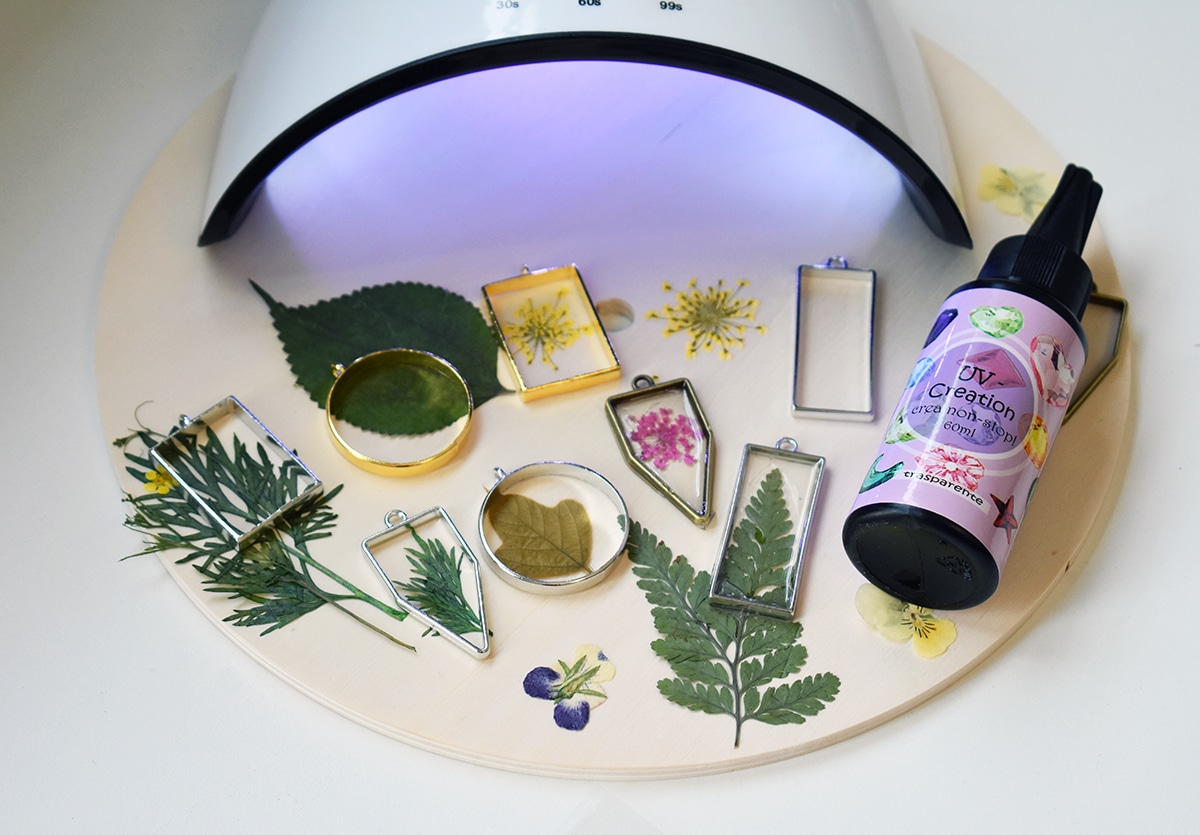
- "UV–Creation" – Fast Acrylic Resin, 3 Minute UV CurePrice range: £7.85 through £59.85UV–Creation is a ready-to-use UV acrylic resin designed for jewellery makers, curing quickly under UV light with a crystal-clear finish.
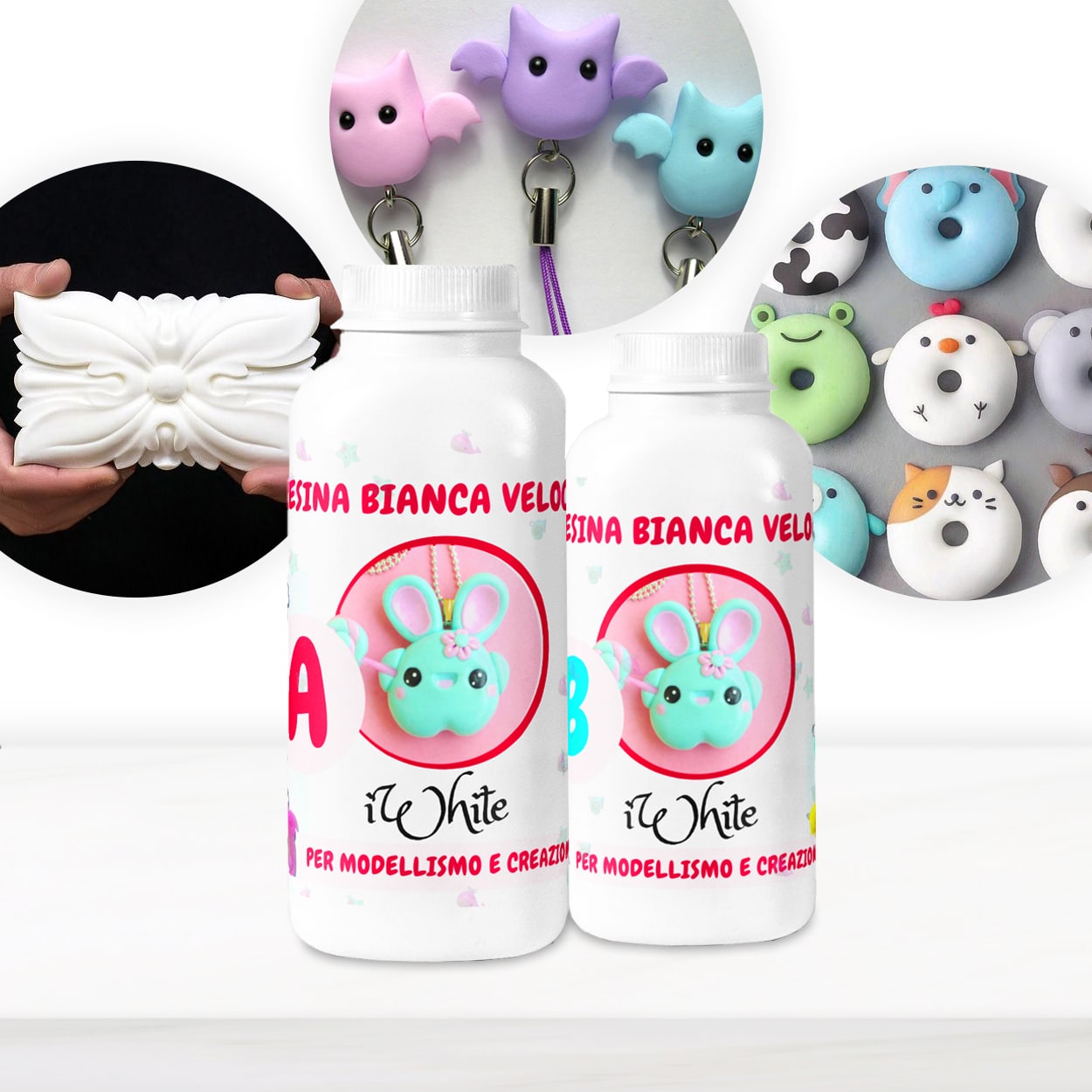 “IWhite” – Polyurethane Casting Resin – White, Fast-Curing Two-Part SystemPrice range: £22.85 through £34.85IWHITE is a fast-curing polyurethane resin suitable for detailed moulding and rapid prototyping in miniature making.
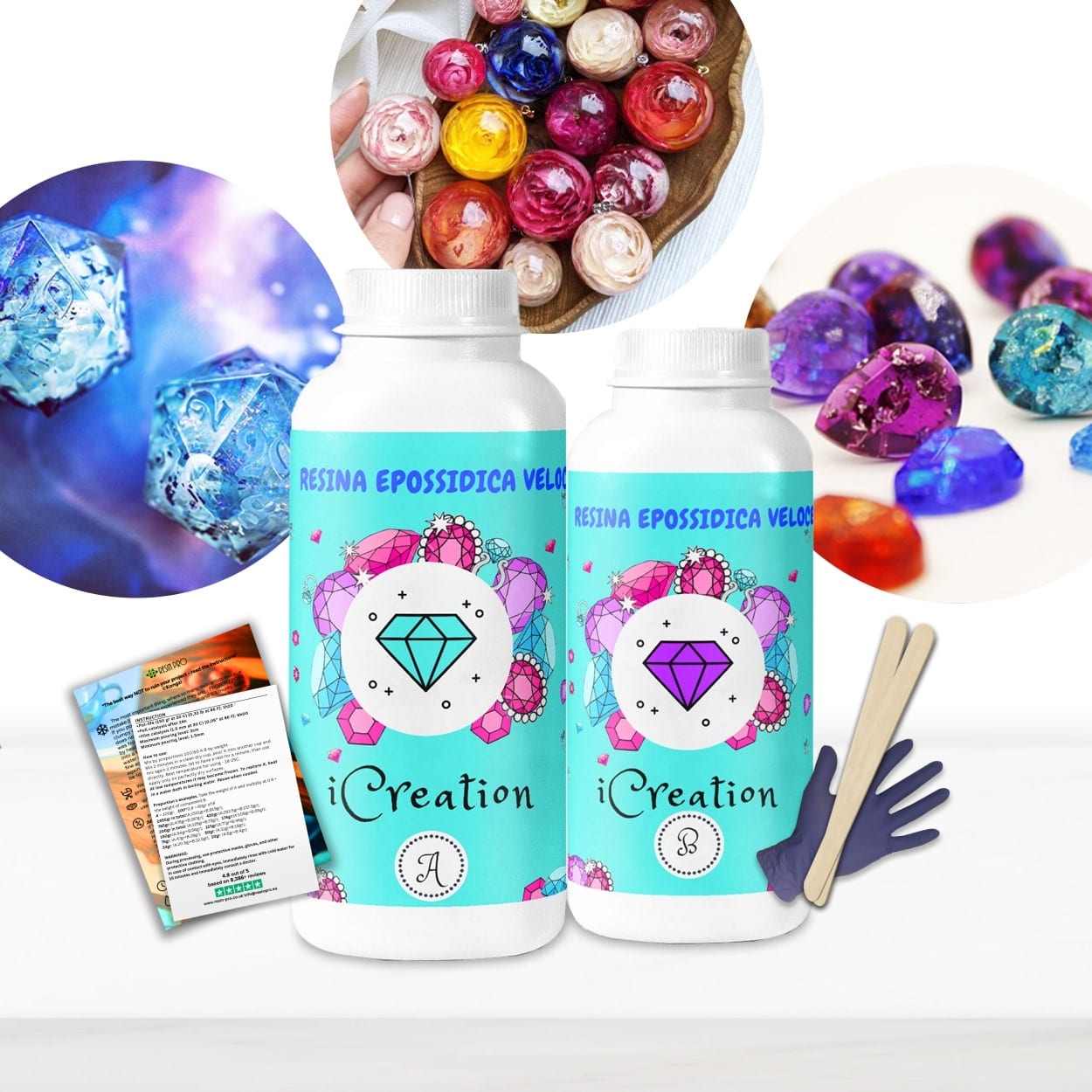 "ICreation" – Fast Epoxy Resin, 6h Demoulding, Transparent Gloss FinishPrice range: £19.40 through £52.85ICREATION fast epoxy resin offers fast catalysis and a clear, glossy finish, suitable for detailed miniature craft projects.
Frequently Asked Questions
What is the difference between epoxy, polyurethane, and UV resins for miniatures?
Epoxy offers crystal clarity and gradual curing; polyurethane is very fast for detailed moulds; UV resins cure rapidly under UV light and suit small, thin applications.
Which resins produce the best detail in miniature casting?
High-quality polyurethane and clear epoxy resins both deliver excellent detail, provided the mould quality is high and air bubbles are minimised.
What are the most common problems when casting resin miniatures?
Air bubbles, improper mixing, and undercured resin are frequent issues. Accurate measuring and slow pouring help prevent these pitfalls.
How do I avoid bubbles when casting miniatures?
Mix resin gently and pour slowly; tap moulds lightly to release trapped air or warm the resin gently to lower viscosity.
Can you paint resin miniatures after curing?
Yes, cured resin miniatures can be primed and painted just like other models. Light sanding may help acrylic paint adhere better.
What is the best mould type for miniature work?
Silicone moulds are most recommended as they capture fine detail and allow easy demoulding, especially for intricate designs.