 Free shipping on orders over £29,85
  Shipping Tracking!


 Google
 Facebook
← Back to how to make boat resin
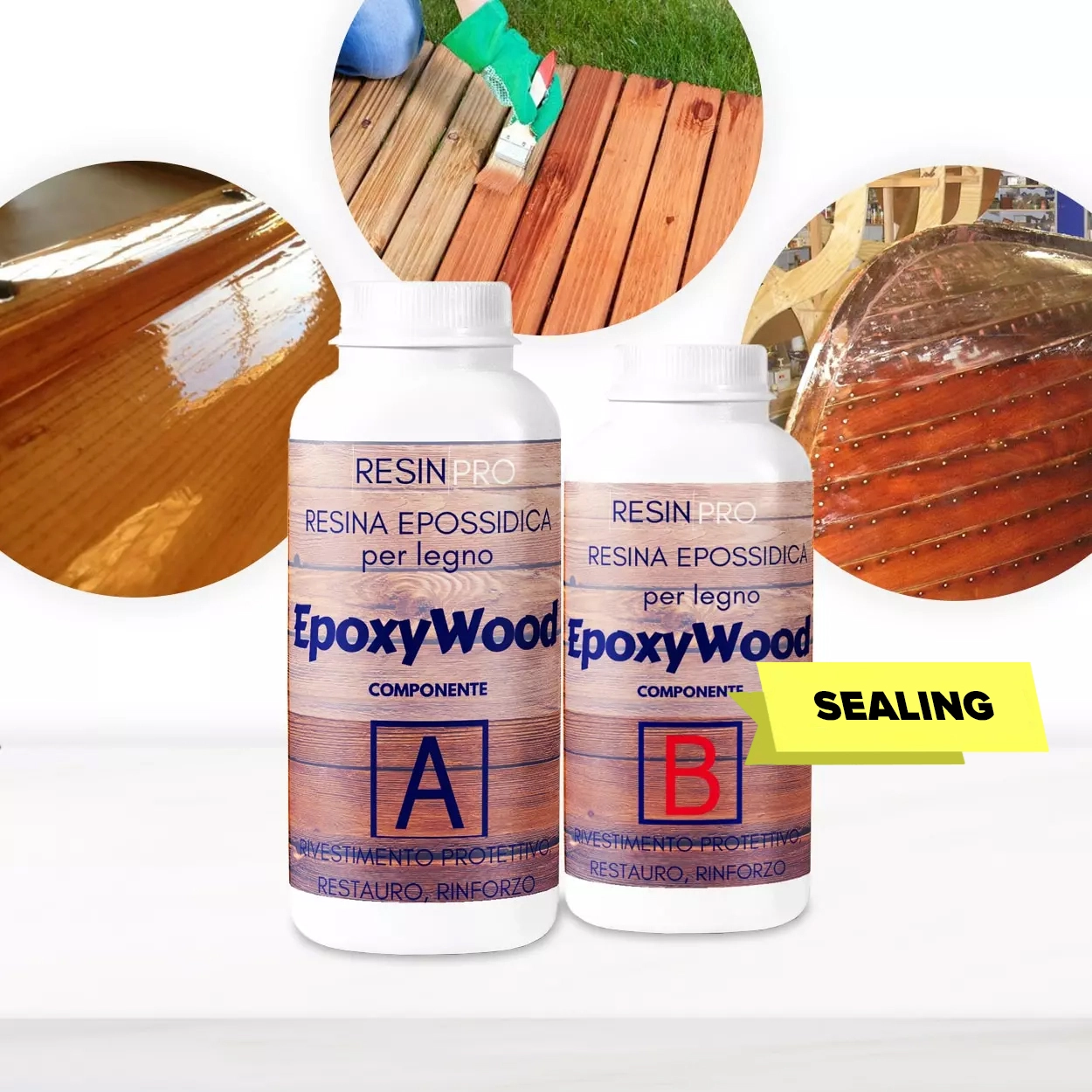
Properly preparing the wooden surfaces of your boat is essential before applying resin. Taking the right steps at this stage ensures a strong bond, extends the protection, and guarantees a smooth, long-lasting finish.
Step-by-Step Surface Preparation
Begin by thoroughly sanding the wood to create an even, slightly roughened surface—this helps the resin to grip effectively. Remove any old varnishes, paints, or loose fibres, progressing from coarse to finer grit sandpaper for best results.
Once sanded, clean away all dust with a vacuum or a tack cloth. Moisture is a significant barrier to successful resin work, so ensure the wood is completely dry; if the wood has recently been exposed to water, allow it to air out in a well-ventilated, warm area before proceeding.
Tips for Best Adhesion and Longevity
A dust-free, grease-free, and dry surface provides the best foundation for any resin. Before application, a final wipe with a lint-free cloth dampened (but not soaked) with methylated spirits or acetone can remove lingering contaminants. Take care that no residue remains.
For restoration or maintenance, consider deep-penetrating products like EpoxyWood, specially designed to reinforce and waterproof timber surfaces. This type of resin bonds tightly within the wood fibres, providing extra durability for boats used in harsh or wet conditions.
When Meticulous Preparation Matters
- Marine Environments: Water exposure makes adhesion and waterproofing critical—any shortcuts may lead to premature failure.
- Older or weathered wood: Ensuring deep penetration and a clean base protects from hidden rot and future delamination.
Related products
Related guides
With thorough preparation, wooden boat surfaces are ready for effective resin coating or repair, ensuring strength and appearance for years to come. For more detailed guidance and related products, explore our main guide on how to make boat resin.