 Free shipping on orders over £29,85
  Shipping Tracking!


 Google
 Facebook
← Back to How to make two-part moulds for modelling resin?
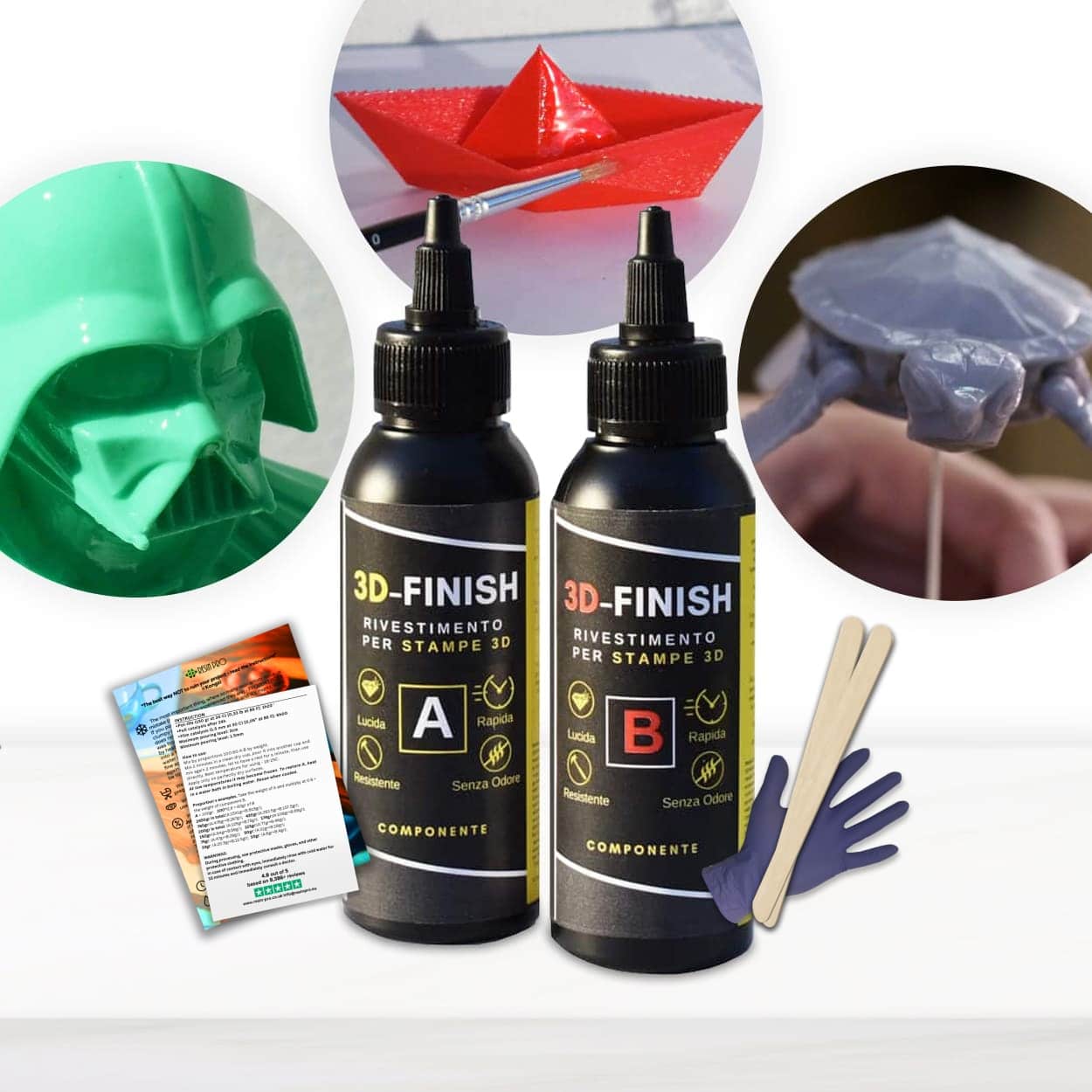
If you’re planning to use a 3D printed model as the basis for a silicone mould, it’s wise to consider sealing your print before starting. A smooth master helps achieve professional, blemish-free castings with minimal finishing effort later on.
Why Sealing Matters for 3D Printed Masters
Most 3D printed objects, even with high-resolution settings, have fine layer lines or surface roughness. When you pour liquid silicone over unsealed 3D prints, the silicone can capture these tiny lines, transferring them to your finished mould and subsequent castings. This leads to additional sanding, polishing, or even redoing the mould altogether. Sealing forms a barrier over the print, smoothing the surface and ensuring that your silicone produces crisp, flawless results.
How to Seal a 3D Print Before Mould Making
For an effective seal, choose a coating that provides both surface levelling and adhesion to your print material. “3D Finish” Fast Coating Epoxy Resin is designed specifically to coat 3D prints in materials like PLA, ABS, and LAYWOOD. It cures in about four hours, creating a hard, glossy, non-drip layer that fills in grooves and eliminates visible print lines. Lightly sand your print if needed, apply a thin coat of epoxy, and allow it to cure thoroughly before proceeding to mould making. This step not only improves the surface but also protects delicate details during the moulding process.
When Sealing Is Especially Important
Sealing is particularly crucial for prints with prominent layer lines, intricate details, or when a highly polished final casting is required. If you’re working with intricate models or need consistent quality across multiple castings, sealing helps minimise post-production corrections.
Related products
Related guides
By sealing your 3D printed models before making silicone moulds, you set the stage for professional results and reduced effort down the line. This small step supports the success of your two-part mould projects—discover more tips and techniques back on our How to make two-part moulds for modelling resin hub.