 Free shipping on orders over £29,85
  Shipping Tracking!


 Google
 Facebook
← Back to How to make two-part moulds for modelling resin?
For reliable and detailed two-part moulds used with modelling resins, sealing every gap and applying keys are essential preparatory steps. This guide explains how to achieve a snug, leakproof fit for professional results.
Why Sealing Gaps Matters
Gaps between the original model and the mould box can lead to leaks or unwanted flashing, affecting both the quality and accuracy of your casts. By using clay to fill all spaces, you prevent silicone or resin seepage, ensuring sharper details and easier mould separation.
- Use non-hardening plastiline or similar modelling clay for easy manipulation and residue-free removal.
- Thoroughly check corners, undercuts, and seams before pouring mould material.
How to Apply Keys for Accurate Alignment
Mould keys are deliberate shapes (like domes, rounds, or cones) pressed or sculpted into the clay barrier between the two mould halves. These ‘keys’ lock both parts together, preventing misalignment during casting and producing consistent results.
- Apply keys evenly around the perimeter, pressing gently into the clay.
- Spacing should allow every area to align without excessive effort to pull the mould apart later.
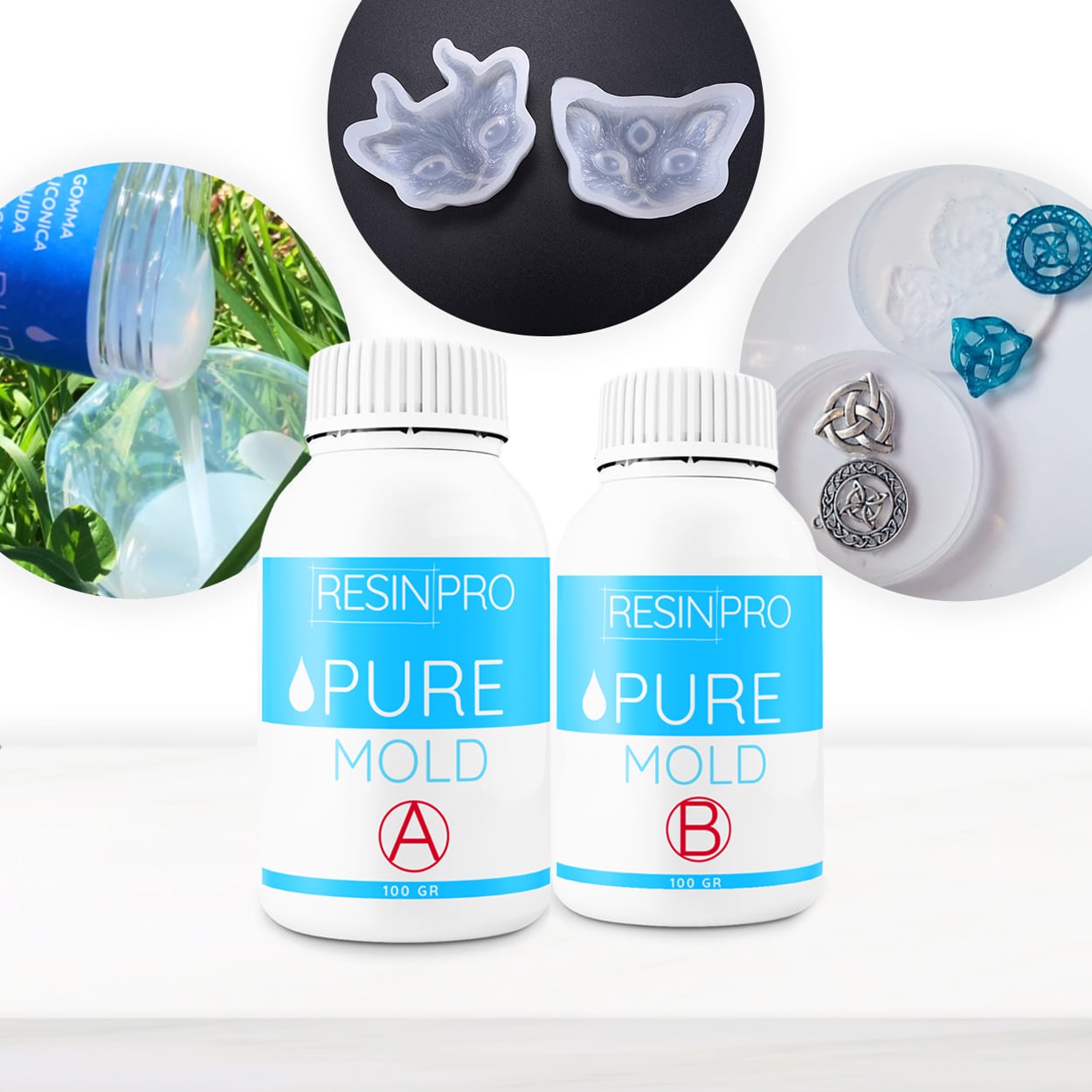
For best results with translucent silicone such as Pure Mould, visual checks help confirm every detail is sealed and keyed correctly prior to curing.
Practical Tips for Flawless Preparation
Use fine clay tools or a rounded sculpting tool to shape your keys for consistency. Avoid overworking the clay as this can introduce fingerprints or uneven edges—that can translate into the cured mould. After applying keys and sealing, a light smoothing of the clay with your fingertip or a bit of water (if the clay type allows) helps create a tight barrier with no visible gaps.
When This Matters Most
Precise gap-sealing and keying are crucial when working with low-viscosity resins, miniatures, or complex shapes. They are also vital for ensuring reusable, long-lasting silicone moulds in small production runs or prototyping tasks.
Related products
Related guides
By carefully sealing all gaps with clay and applying well-shaped keys, you help guarantee the best outcome for your two-part modelling resin moulds. Explore our full guide on making two-part moulds for modelling resin for additional tips and tools.