 Free shipping on orders over £29,85
  Shipping Tracking!


 Google
 Facebook
How do you make silicone moulds for making resin tables?
Creating your own silicone moulds for resin tables allows for unique custom designs, precise sizing, and professional-quality results. Whether you’re a beginner or a seasoned resin artist, mastering this process will give you more creative freedom and ensure durable, reusable moulds for stunning resin tables.
Step-by-step guide for reliable, reusable silicone moulds
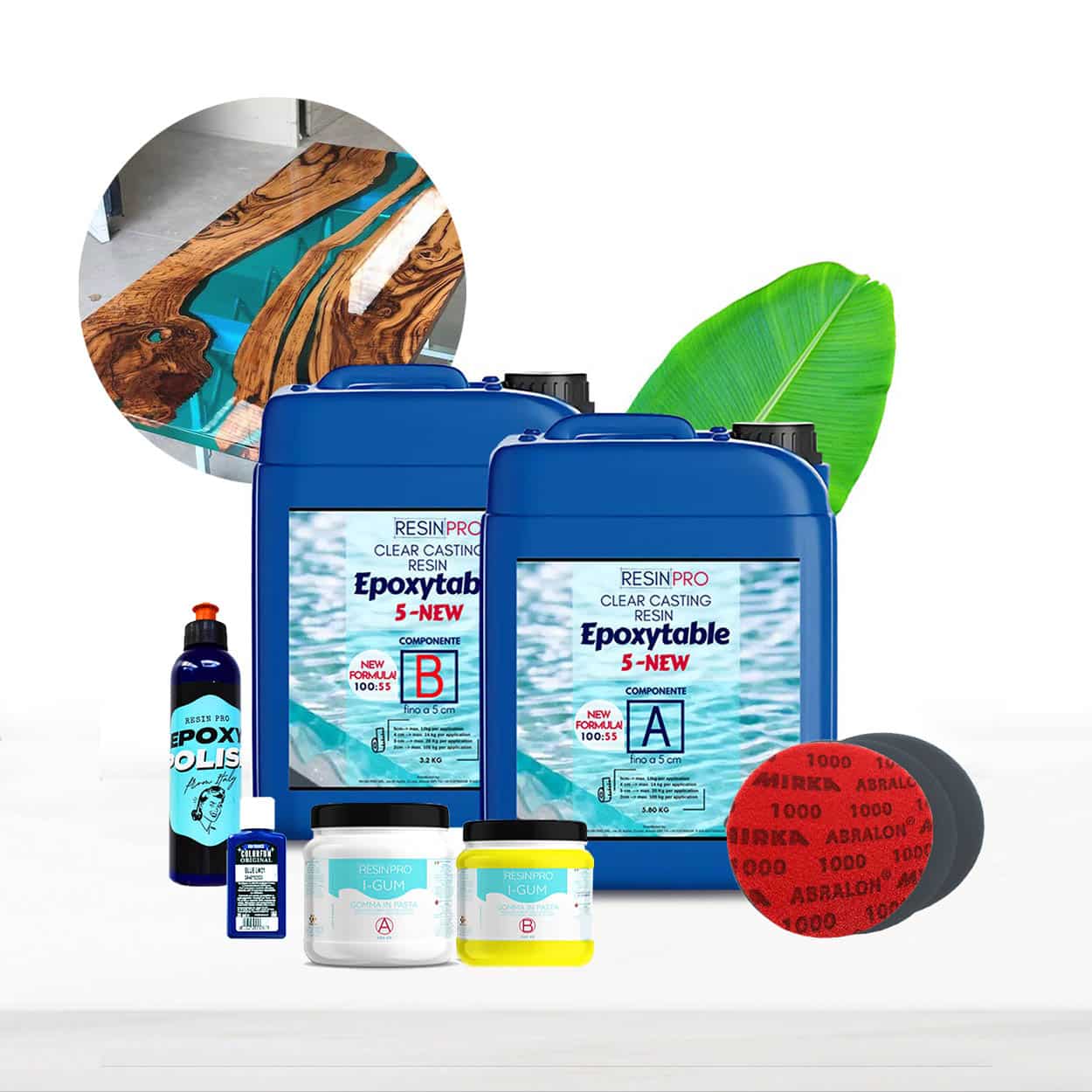
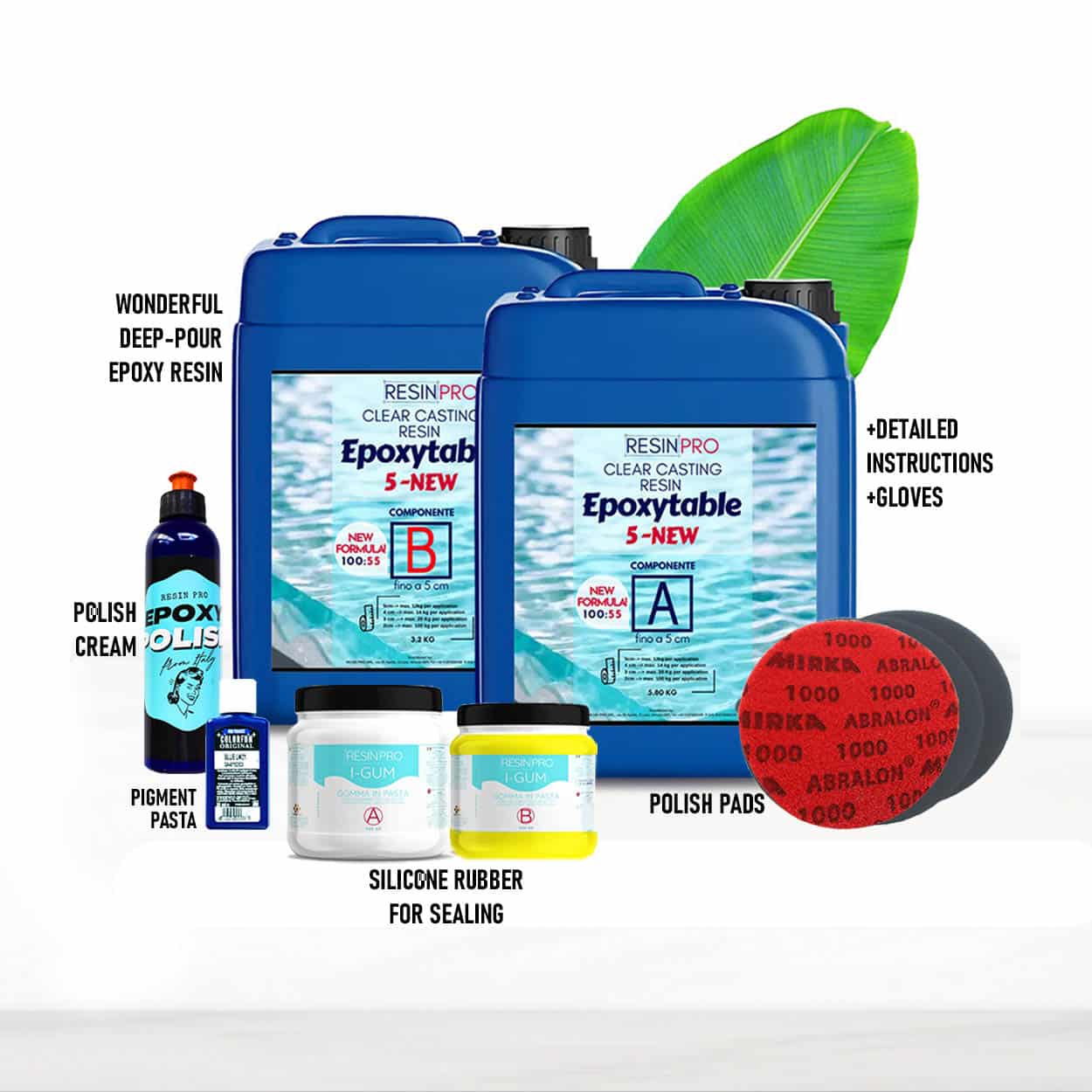
What You’ll Need
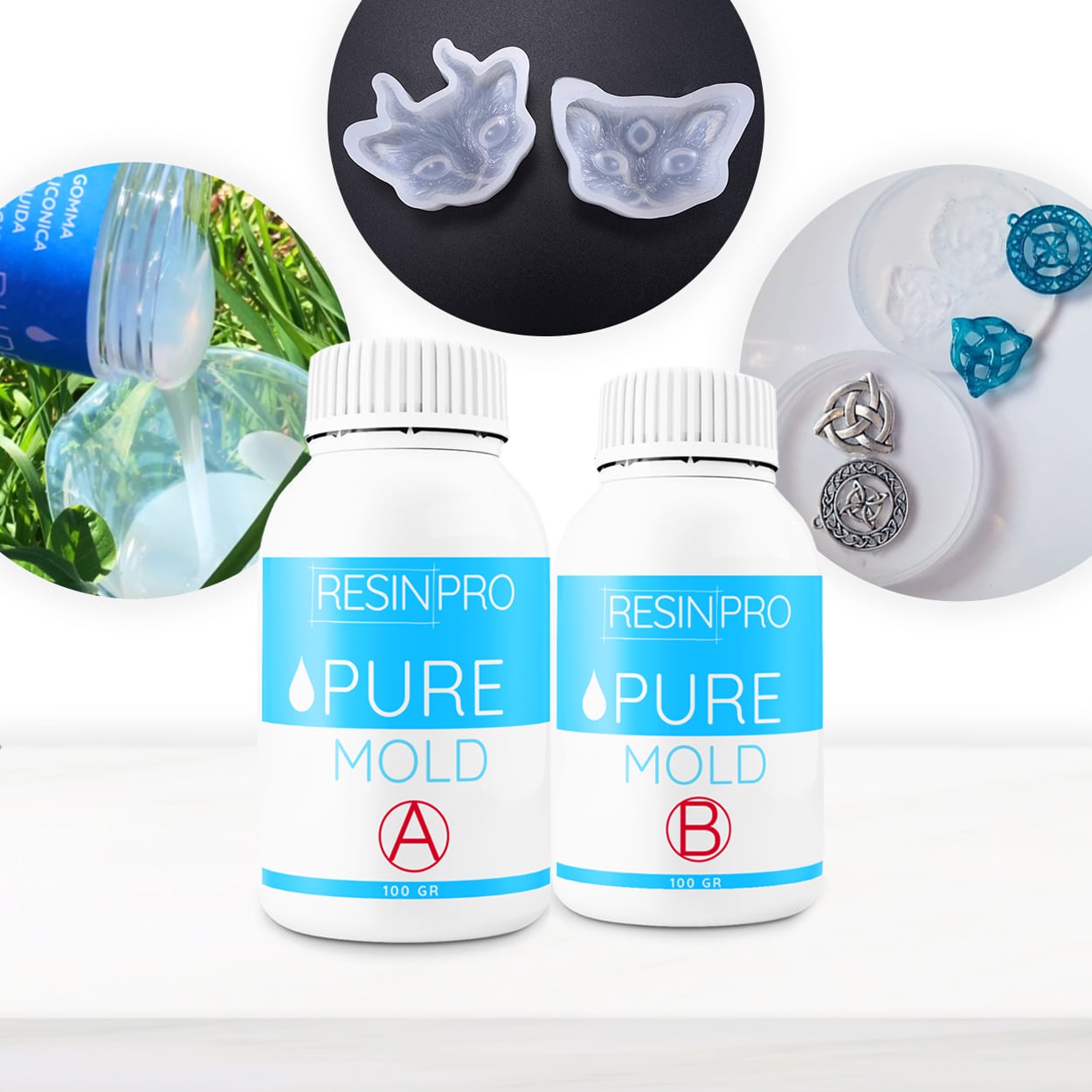
- “Pure Mould” – Translucent Liquid Silicone Rubber for Mould Making: Ideal for clear, flexible, and highly detailed moulds.
- “Liquid Mould” – Casting Liquid Silicone Rubber, 5-40 Shores, Bi-Component A+B: Excellent for capturing intricate details and undercuts on moulds for cast resin table forms.
- “I–Gum” – Non-Toxic Silicone Putty for Mould Making: Best for quick jobs or shaping flexible edges to custom forms.
- Formwork materials (such as melamine board or acrylic sheets)
- Sealing tape or hot glue (for sealing formwork joins)
- Mixing containers and spatulas
- Digital scale (for accurate component ratios)
- Protective gloves and apron
- Release agent (optional, if casting from porous or intricate patterns)

Silicone Mould Mixing and Pouring
Handling silicone requires careful mixing for a successful mould. Always combine parts A and B in the ratio specified by your chosen product. Slowly pour the silicone into the lowest corner of your form to ensure even spread without trapping air. Work methodically for edge-to-edge coverage and consistent thickness.
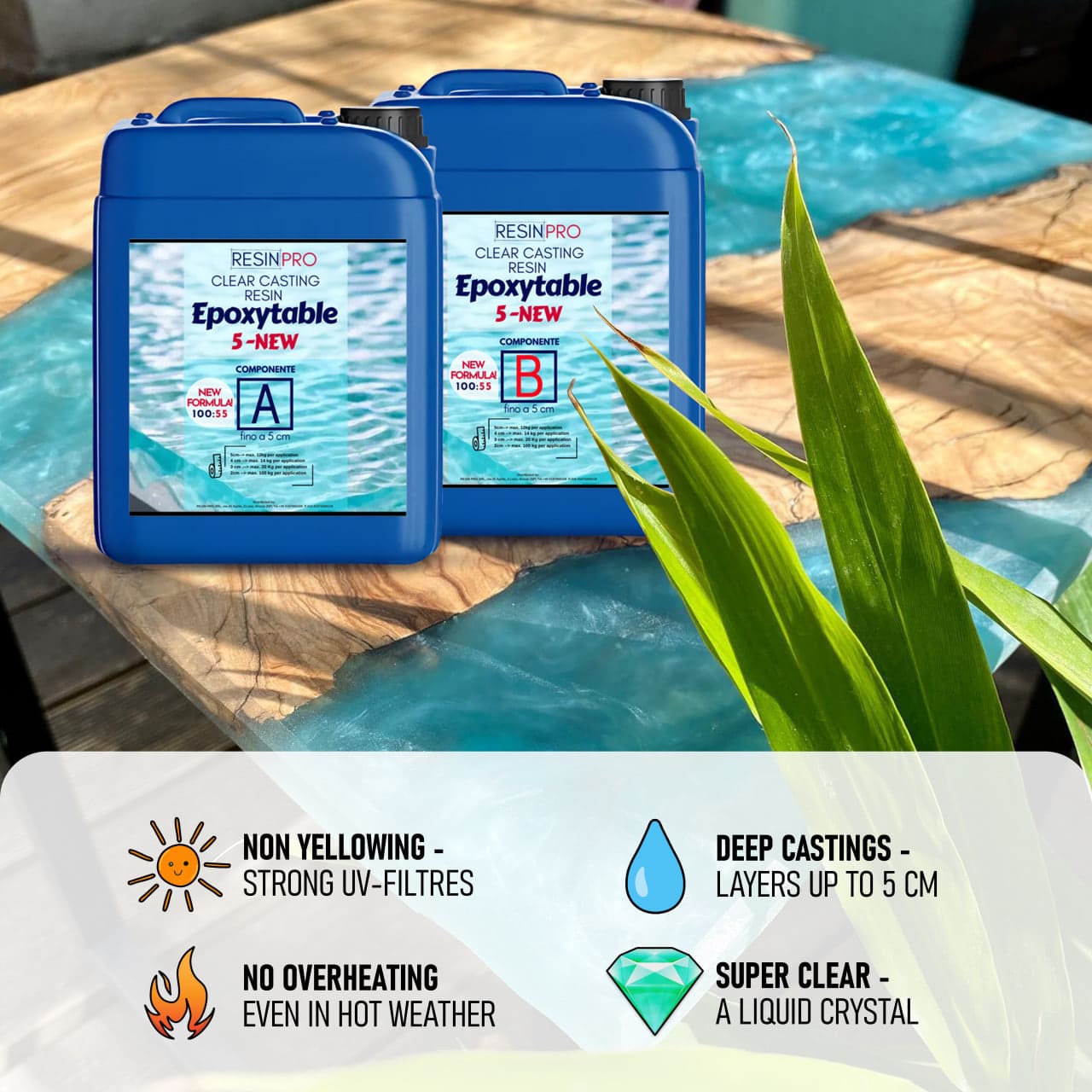
Step 1: Prepare Your Model and Formwork
The first step is to set up the formwork that shapes your silicone mould. Choose a flat, non-porous base—melamine boards are ideal for this purpose. Use formwork materials such as acrylic or plywood to build sturdy walls, securing all joins tightly and sealing corners to prevent leakage. Clean your table model thoroughly to remove dust or debris that could transfer unwanted textures to the mould. If using intricate models, ensure the surface is dry and stable. Position the model centrally within the formwork and anchor it if needed to avoid movement during silicone pouring.
Step 2: Mix and Pour the Silicone Rubber
For consistent results, always measure silicone and catalyst precisely using a digital scale. Most two-component silicones require a 1:1 ratio—for example, both “Pure Mould” and “I–Gum” Putty mix in equal parts. Stir gently to minimise air bubbles, scraping sides and base of the container. If using “Liquid Mould”, follow its recommended mixing ratio and gently blend until uniform. After mixing, pour the silicone slowly and steadily from one corner, allowing it to flow around and over your model—this helps reduce air entrapment. Tap or gently vibrate the formwork to encourage any remaining bubbles to rise. Allow the silicone to self-level and envelop the original fully for the best detail capture.
Step 3: Curing and Demoulding Your Silicone Mould
Allow the silicone to cure as per product instructions—curing times can range from 20 minutes (for “I–Gum” Putty) to several hours (typically 3–8 hours for “Pure Mould”, or longer for thicker pours). Protect the mould from dust or movement during this period. Once cured, flex the formwork to gently release the silicone mould. If corners or undercuts stick, avoid forcing—slowly peel away, ensuring the mould retains shape. Inspect for any surface defects or trapped bubbles, especially in fine-detail areas, before removing the original.

Step 4: Post-Processing and Mould Maintenance
After demoulding, trim any excess silicone or ‘flash’ from the mould edges with a sharp blade. Wash and dry the silicone mould thoroughly before using it for resin casting. For best results and longer lifespan, store in a cool, dry place away from direct sunlight. If you plan to reuse the mould multiple times, consider a light dusting of release agent before each use. Regularly inspect for tears or deterioration, particularly if your moulds are capturing deep textures or sharp corners.
Tips, Common Mistakes, and Troubleshooting
- Always measure and mix silicone precisely to ensure a consistent cure and durable mould.
- Check for undercuts before pouring silicone, as complex forms may require slits in the mould for easier demoulding.
- Let silicone cure fully before demoulding—rushing this step can distort details or cause tearing.
- Apply a release agent if your surface requires it, especially with porous or timber patterns, to prevent accidental bonding.
- If air bubbles are visible on the mould surface, consider degassing the silicone or tapping the formwork more vigorously next time.
Perfecting Mould Surfaces for Resin Tables
Smoothing the inner mould surface is key for flawless resin results. Fill small imperfections on your model before pouring silicone. Polished surfaces yield glossier resin pieces. If the mould develops minor scratches, these can usually be buffed out before the next resin casting for an attractive finish every time.

- "River-Table" – Complete Kit for Creating Your First Epoxy Resin TablePrice range: £188.85 through £444.85"River-Table" kit supplies materials and instructions for creating wood and resin tables, suited for beginners under this theme.
- "Pure Mould" – Translucent Liquid Silicone Rubber for Mould MakingPrice range: £22.85 through £158.85"Pure Mould" is a translucent, platinum-based liquid silicone rubber designed for detailed mould making using various materials.
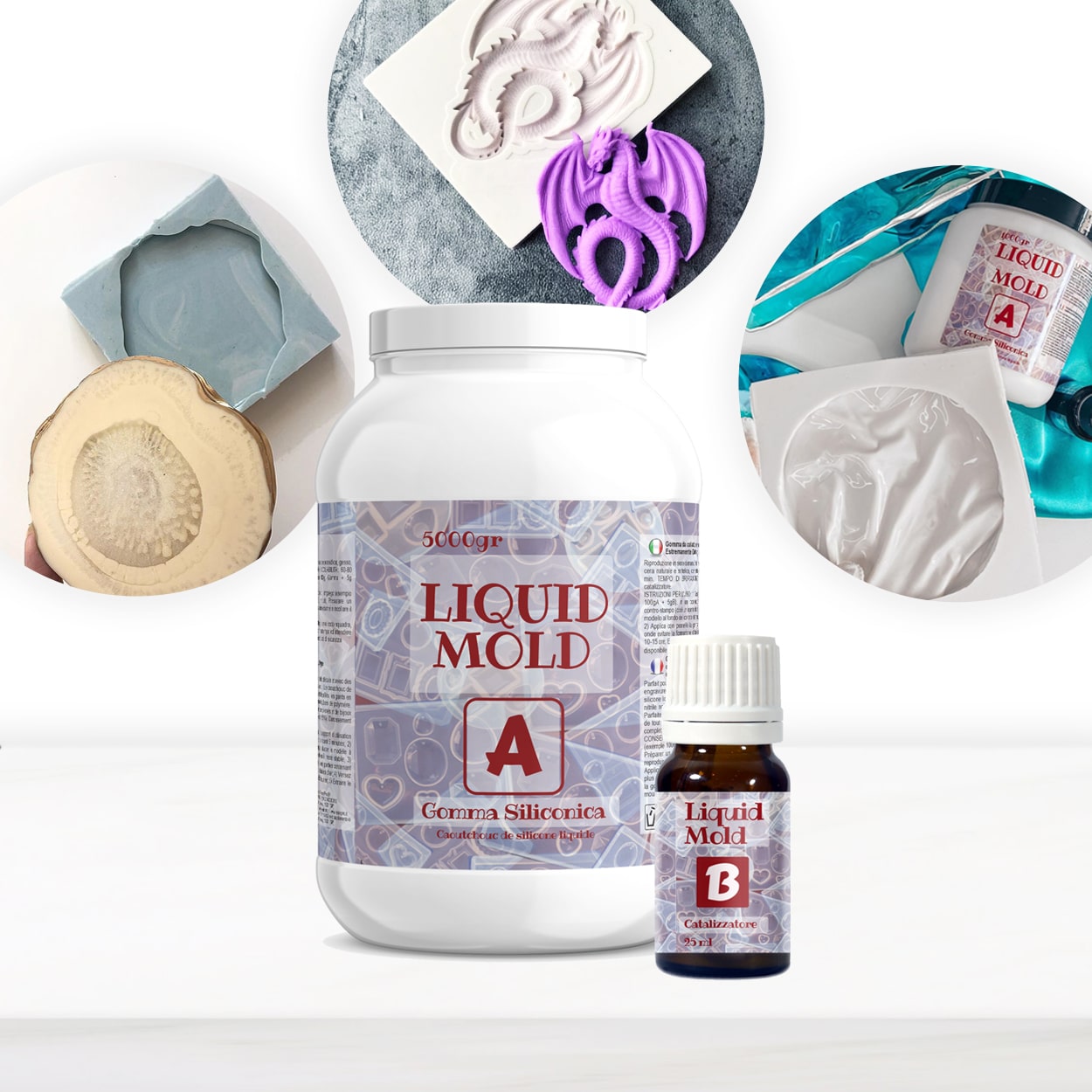 "Liquid Mould" – Casting Liquid Silicone Rubber, 5-40 Shores, Bi-Component A+BPrice range: £13.45 through £368.85"Liquid Mould" is a casting liquid silicone rubber designed for making detailed moulds suitable for resin and other materials.
 "I–Gum" – Non-Toxic Silicone Putty for Mould MakingPrice range: £22.85 through £99.85"I–Gum" is a non-toxic silicone putty designed for mould making with a 1:1 mix ratio and suitable for use with resin and other materials.
Frequently Asked Questions
What type of silicone rubber is best for resin table moulds?
A two-component liquid silicone rubber, like "Pure Mould" or "Liquid Mould", is recommended for clear, reusable, and detail-rich results.
Why is my silicone mould not curing properly?
Improper mixing ratios or low ambient temperature can lead to slow or incomplete curing. Measure accurately and maintain recommended temperatures.
How do I avoid damaging the mould when demoulding?
Be patient and flex the form gently. Apply a release agent if needed for complex or porous models to avoid sticking or tearing.
How many times can I reuse a silicone mould for resin?
With proper care, high-quality silicone moulds can be reused many times. Keep them clean, dry, and lubricated with release agent if required.
How do I prevent air bubbles when making a silicone mould?
Pour silicone slowly in one corner and tap the formwork to release trapped air. Using a degassing chamber if available can further improve bubble removal.