 Free shipping on orders over £29,85
  Shipping Tracking!


 Google
 Facebook
← Back to how to make a resin fillet mould?
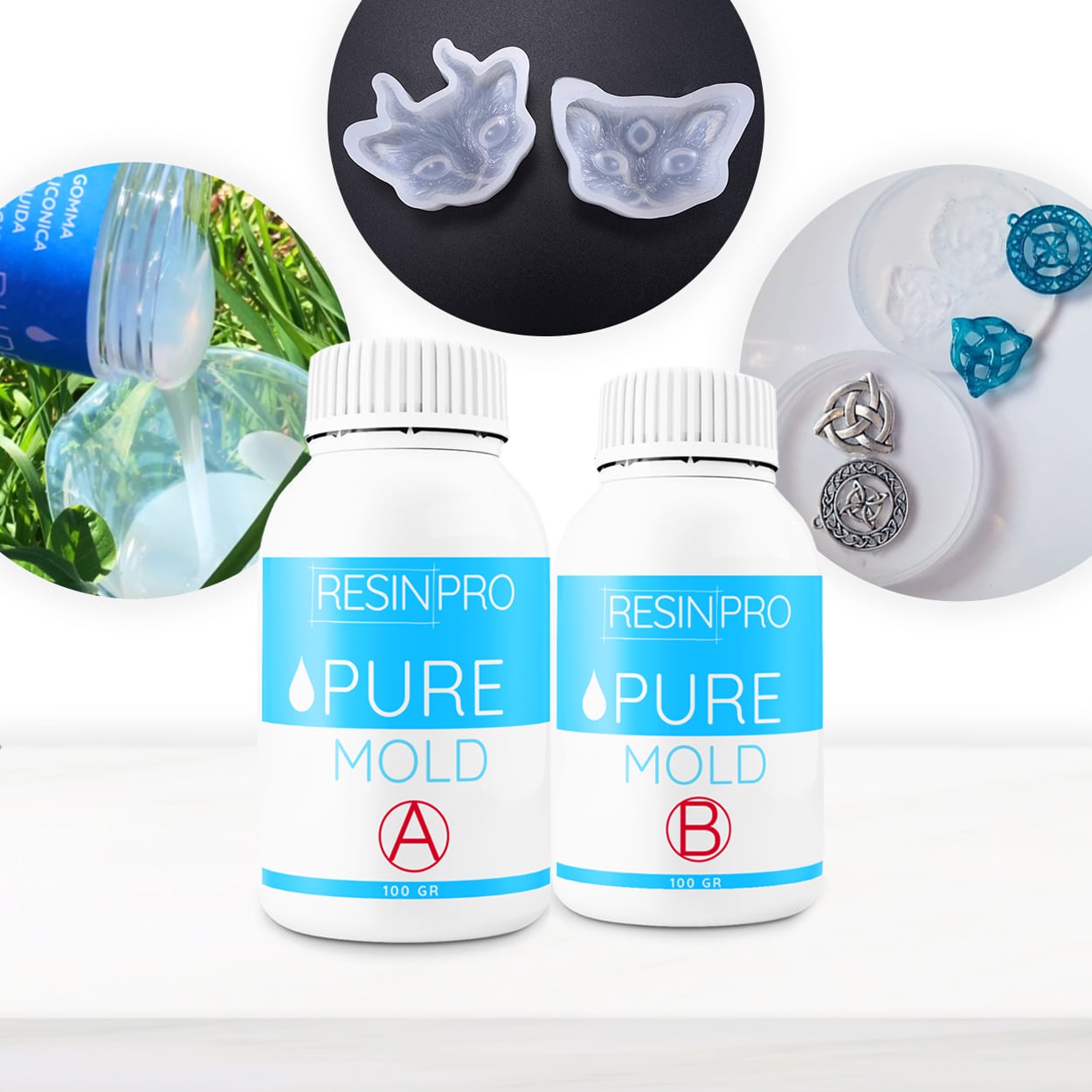
Choosing the right silicone rubber is key for producing high-quality fillet moulds that capture fine detail and maintain their shape over time. Let’s look at which silicones work best and why.
Why Platinum-Based Silicone Is Preferred
For fillet mould making, a platinum-cured liquid silicone such as “Pure Mould” – Translucent Liquid Silicone Rubber for Mould Making is a top choice. These silicones are known for producing highly accurate, durable, and flexible moulds. Their transparency helps monitor the resin during pouring, which is particularly useful for detailed work. Platinum-based silicones demonstrate excellent compatibility with resins—including epoxy, polyester, polyurethane, and acrylics—ensuring versatility for various casting projects.
Practical Buying and Usage Tips
Opt for silicone rubbers with a convenient 1:1 mixing ratio and reasonable curing times if efficiency matters. “Pure Mould” silicone not only mixes easily but also cures in roughly 3–8 hours, so it’s suitable for most small- to medium-sized fillet mould projects. Its mechanical strength aids in preserving detail and providing mould longevity with minimal shrinkage. Always pour silicone slowly into your prepared frame to minimise bubbles and ensure sharp fillet formation.
When This Matters Most
- Reproducing intricate shapes, curves, or undercut details
- Working with a variety of casting materials
- Requiring clear visual feedback when pouring or inspecting the mould
Related products
Related guides
Using a high-quality, transparent platinum-based silicone lets you create robust, accurate fillet moulds for resin casting. For a step-by-step process, see our complete guide on how to make a resin fillet mould.