 Free shipping on orders over £29,85
  Shipping Tracking!


 Google
 Facebook
how to make a resin fillet mould?
Step-by-step guide for perfect fillet moulds every time
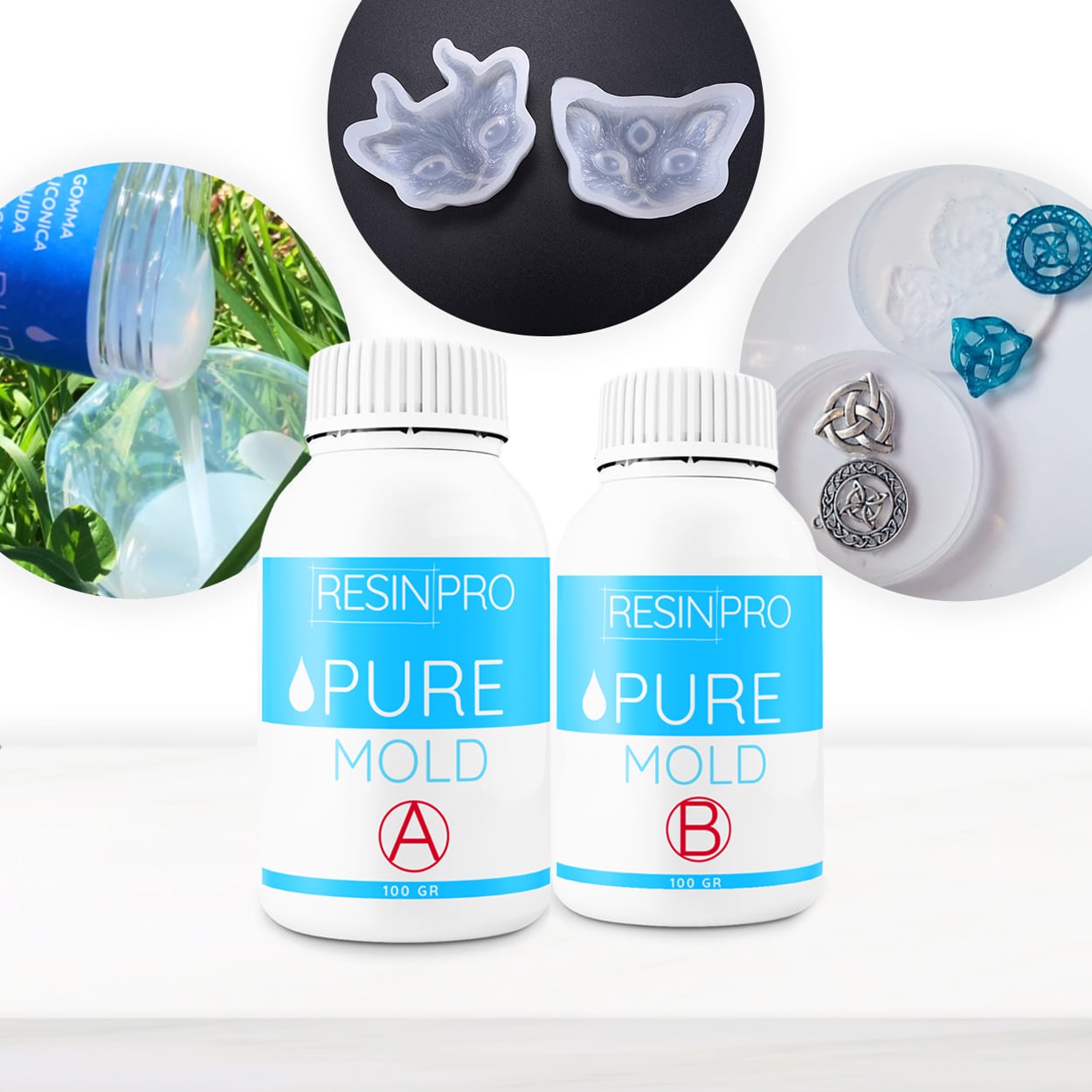
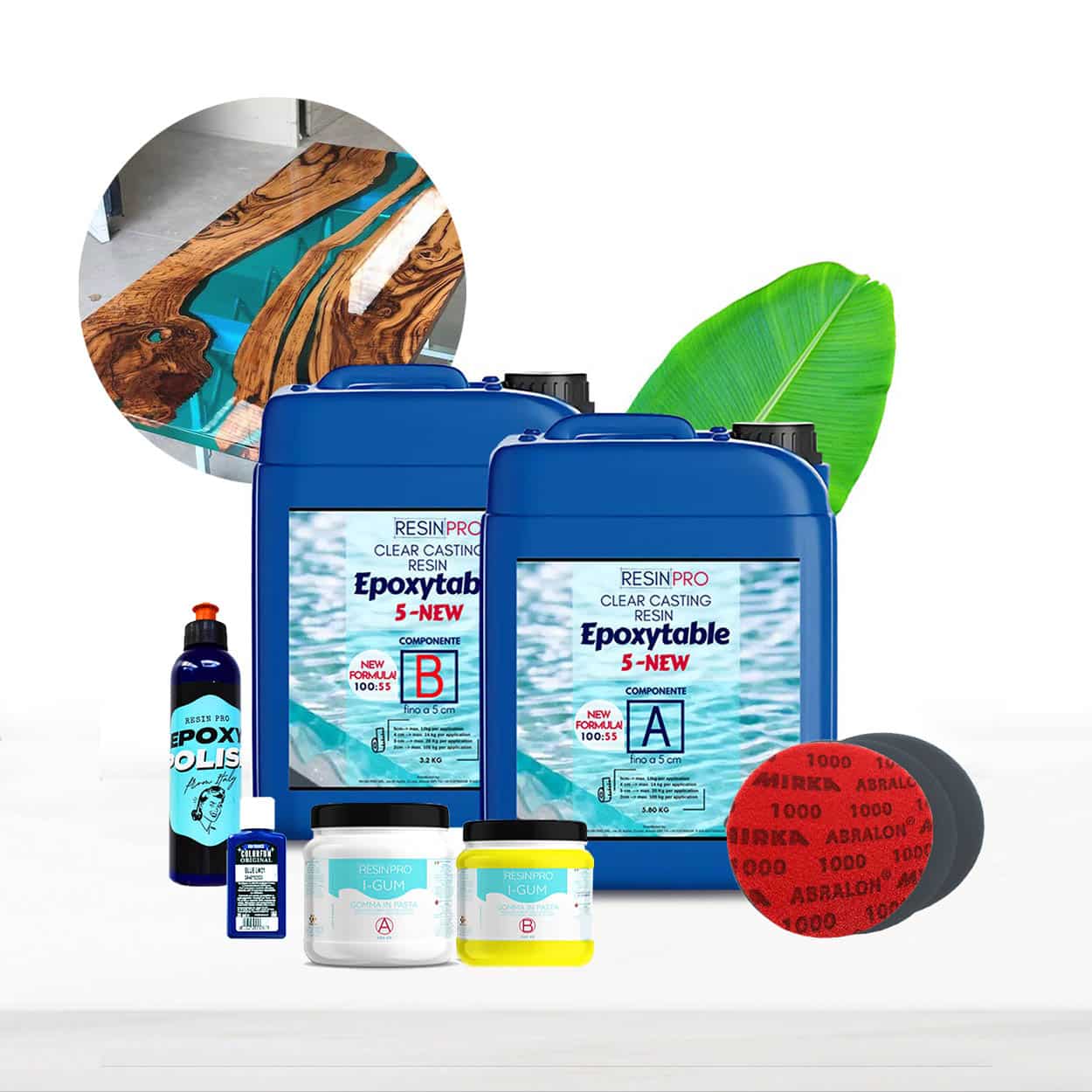
Creating a resin fillet mould is a useful skill for anyone looking to achieve precise, seamless edges or transitions in resin casting and model making. Whether you’re aiming for professional results or refining your DIY craftsmanship, this guide will take you through the process safely and effectively, ensuring your finished fillet mould is durable and well-detailed.
What You’ll Need
- “Pure Mould” – Translucent Liquid Silicone Rubber for Mould Making: A translucent, platinum-based silicone ideal for capturing fine detail and making durable resin fillet moulds.
- “River-Table” – Complete Kit for Creating Your First Epoxy Resin Table: Useful for its included formwork materials and instructions, particularly if you’re a beginner working with resin castings.
- Master model or item to make the fillet on
- Mixing containers and sticks
- Release agent (if needed)
- PPE: gloves, apron, and safety glasses
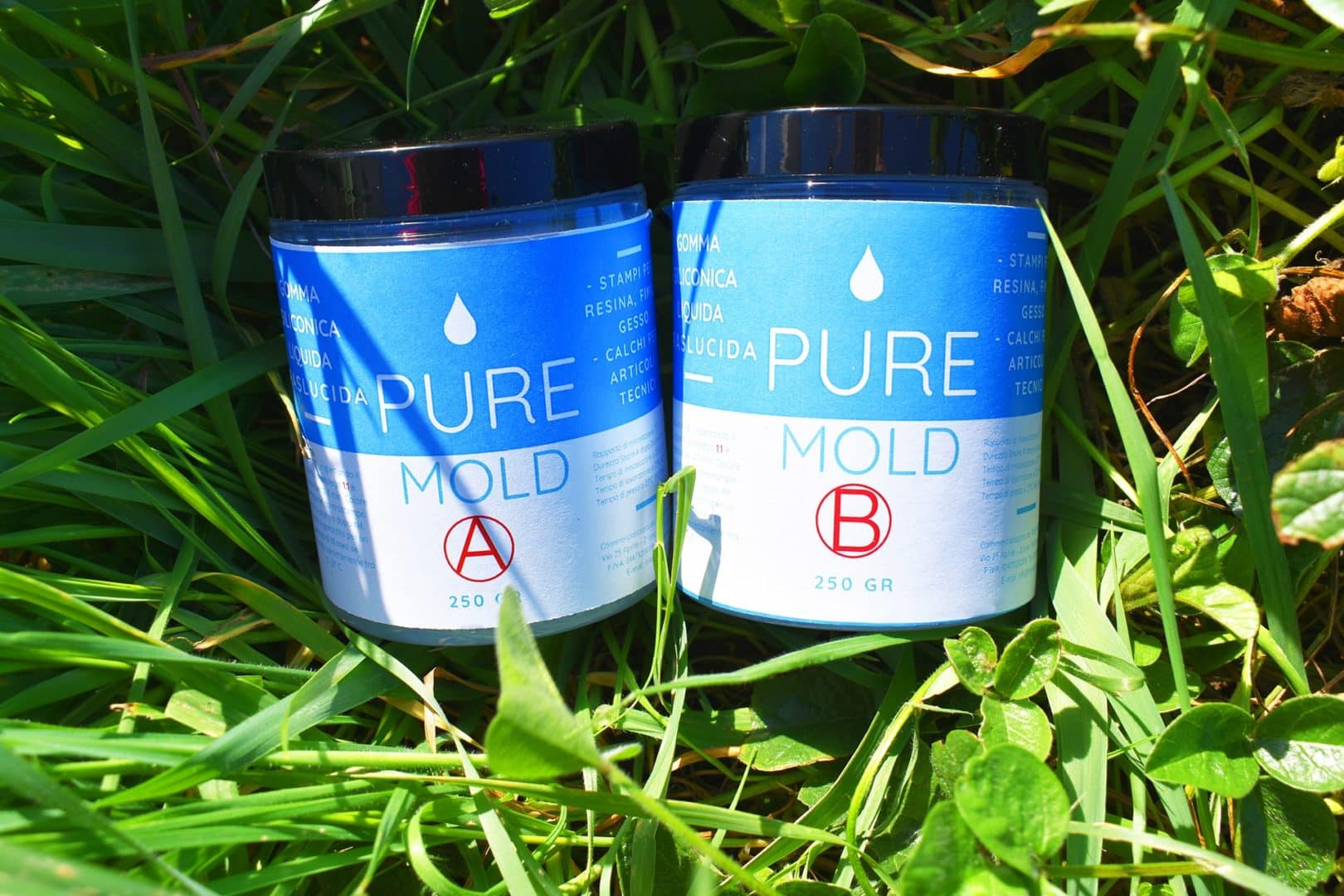
Visual Overview: Essential Materials and Tools
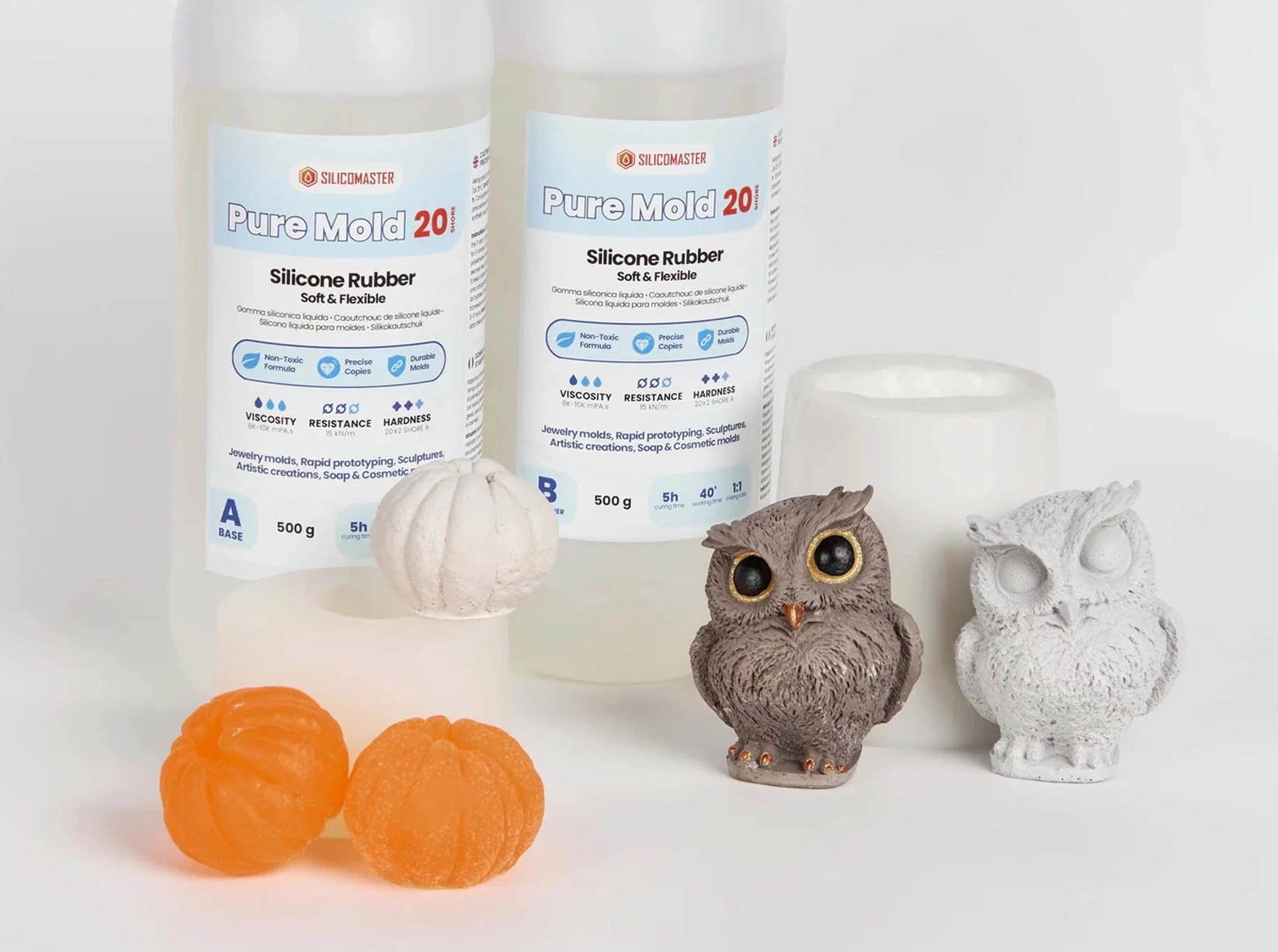
See the main components used in fillet mould creation—silicone rubber, release agent, and mixing containers. Observing the tools and their setup helps ensure you are prepared before starting your project.
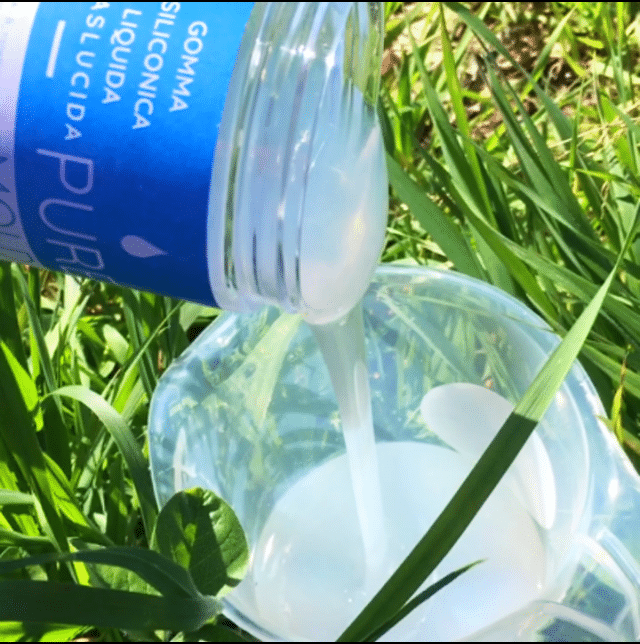
Step 1: Prepare the Master Model
Begin by ensuring your master model—the object to which you’ll apply the fillet mould—is clean, dry, and free from dust or loose particles. If your model is porous or likely to bond with silicone, consider applying a thin layer of release agent first. This will help protect the master and enable easy mould removal after curing. Position your model on a stable, level surface.
Accurate measuring is critical at this stage, especially for setting up the area where your fillet will be formed. Use tools like measuring tape or calipers to plan the shape and width of the fillet for a consistent result.
Step 2: Build the Fillet Profile
Forming the fillet profile can be achieved with a simple material such as modelling clay or wax, pressed carefully into the join or angle where you want the finished fillet effect. Shape it to your desired curve or transition using fillet tools or sculpting sticks. Ensure the profile is smooth and even, as any imperfections will be reproduced in your silicone mould.
Release agents help protect your master model and the fillet profile, preventing sticking during silicone application. Take care not to over-apply, as excess may reduce mould detail.
Step 3: Mix and Apply the Silicone Rubber
Measure out the required amounts of the silicone rubber, ensuring you keep to the recommended mixing ratio. For this, “Pure Mould” – Translucent Liquid Silicone Rubber for Mould Making is highly effective thanks to its 1:1 mixing ratio and low shrinkage. Thoroughly mix both components until a uniform consistency is achieved.
Pour or brush the silicone mixture gently over the fillet area, starting from the lowest point to avoid trapping air. Use a brush in tight or detailed areas to ensure full coverage. Tap or vibrate the work surface lightly to release air bubbles if necessary. Careful mixing prevents air bubbles and ensures your fillet mould is strong and accurate.

Step 4: Allow to Cure and Demould
The curing time will depend on the specific silicone used, but most mixtures set within a few hours. During this period, keep your workspace dust-free and avoid moving the mould. Once fully cured, gently flex the silicone to release it from the master model and fillet profile. Inspect for any imperfections or air pockets before proceeding to casting.
Patience during curing leads to better detail—rushing the process may distort the fillet profile or compromise the final mould’s quality.
Tips and Common Mistakes When Making Fillet Moulds
Working with silicone rubbers and resins requires a keen eye for measurement and detail. Always follow the manufacturer’s mixing instructions and avoid guessing proportions. Always wear gloves and work in a ventilated area to protect your skin and respiratory health.
Common pitfalls include under-mixing components, failing to use a release agent when necessary, and removing the mould before it is fully set. Take your time, and when in doubt, conduct a small test cast before committing to your main project.
Gallery: Real Examples of Fillet Moulds and Finishing Techniques
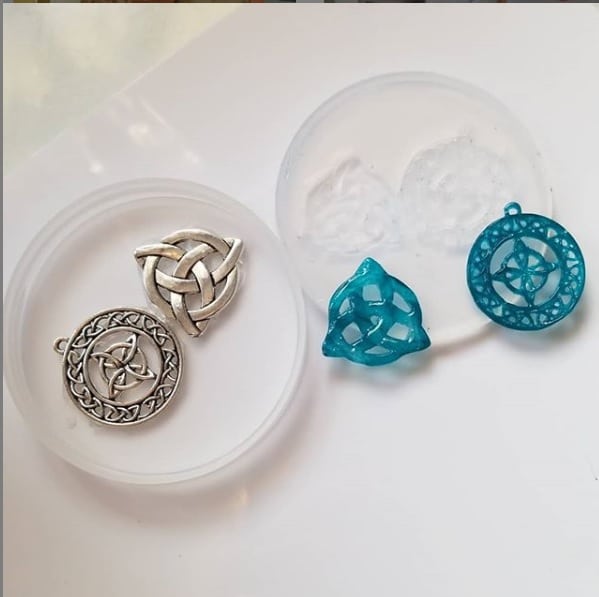
View examples of finished fillet moulds and see how surface detail and preparation impact the result. Inspiration from completed projects can support your own resin casting success.
- "Pure Mould" – Translucent Liquid Silicone Rubber for Mould MakingPrice range: £22.85 through £158.85"Pure Mould" is a translucent liquid silicone rubber suitable for mould making, compatible with various resins and materials.
- "River-Table" – Complete Kit for Creating Your First Epoxy Resin TablePrice range: £188.85 through £444.85"River-Table" kit offers materials and instructions for creating wood and resin tables, suitable for beginners and enthusiasts.
Frequently Asked Questions
What silicone is best for fillet mould making?
A transparent, platinum-based liquid silicone like 'Pure Mould' is excellent for creating detailed, durable fillet moulds compatible with various resins.
Is a release agent needed when making a resin fillet mould?
Using a release agent can help prevent the silicone from sticking to the master model, especially if it is porous or textured.
How long does silicone take to cure for a fillet mould?
Most platinum-based silicone mould rubbers cure in 3–8 hours, but it's best to follow the manufacturer’s guidance for optimal results.
What are common mistakes in resin fillet mould making?
Not measuring components properly, insufficient mixing, and removing the mould too soon are frequent issues that can affect final quality.
How do I capture fine detail in my fillet mould?
Use high-detail silicone rubber, ensure the model is clean, apply material slowly, and remove trapped air for best detail reproduction.
Can resin table kits assist with fillet mould making?
Yes, kits like 'River-Table' include both resin and useful formwork materials that beginners may find helpful when designing fillet moulds.