 Free shipping on orders over £29,85
  Shipping Tracking!


 Google
 Facebook
← Back to how to make a resin fillet mould?
When making a resin fillet mould, it’s essential to protect your master model so the finished mould captures every detail without unwanted bonding or damage. This is where release agents come in – a key step for successful, repeatable results.
Why Use Release Agents?
Release agents form a barrier between your master model and the moulding material, such as silicone or resin. This barrier prevents the silicone from sticking to the original item, making mould removal easier and helping to preserve the fine details of your master. Whether you’re working with wood, resin models, or other substrates, a suitable release agent reduces the risk of the mould tearing or the master being damaged during demoulding.
Choosing and Applying a Release Agent
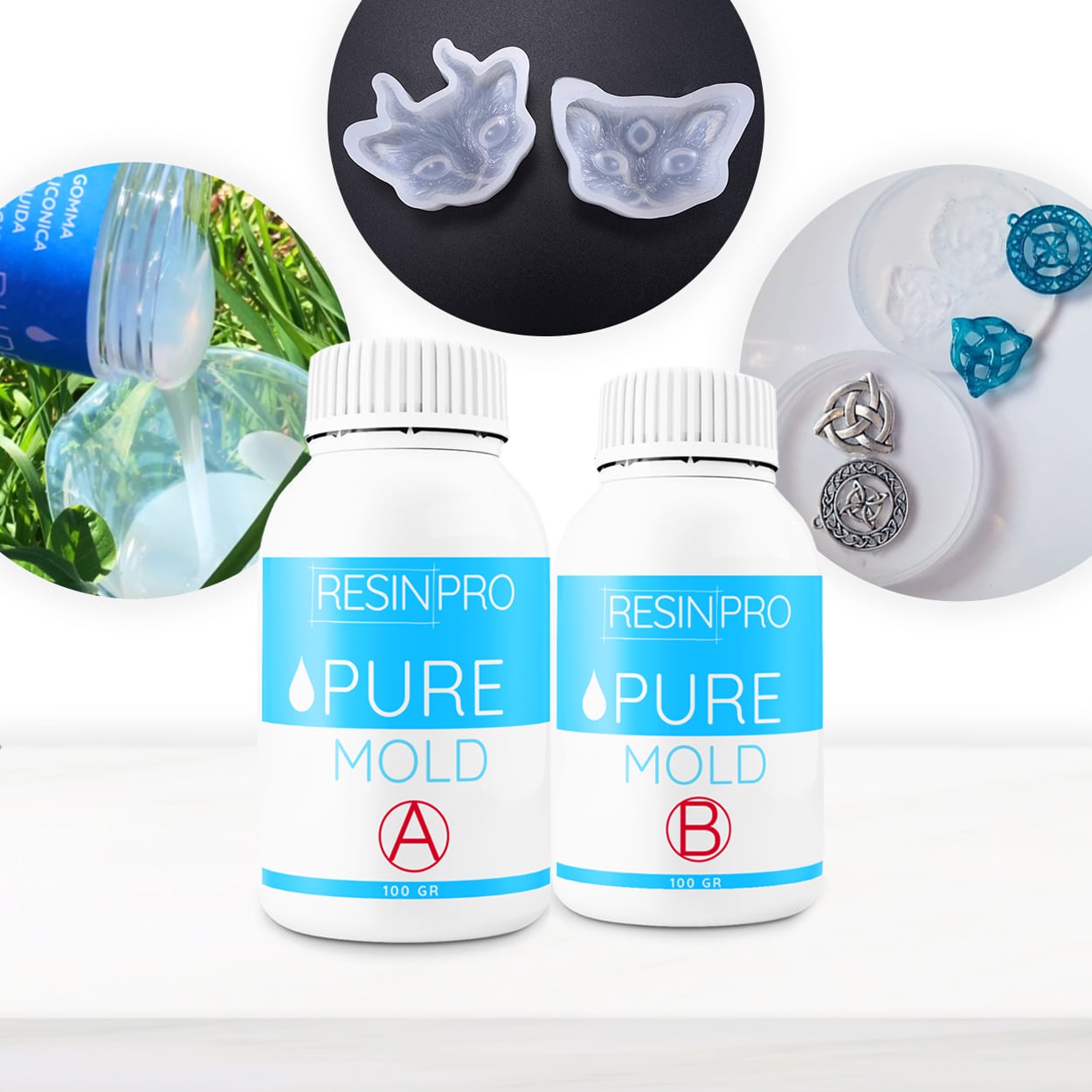
Selecting the right release agent depends on the materials involved. For most resin fillet mould projects using silicone – like “Pure Mould” Translucent Silicone Rubber – a spray or brush-on agent designed for silicone-on-resin or silicone-on-wood contact is ideal. Clean and dry your master model thoroughly, then apply a thin, even coat of release agent according to the manufacturer’s instructions. Allow it to dry before pouring your silicone, ensuring a clean release when the mould cures.
When Release Agents Matter Most
Release agents are crucial if your master model is delicate, contains intricate details, or if you want to reuse the master for multiple moulds. They become especially important for projects using translucent silicone rubbers, which offer high detail but can adhere firmly if applied without protection.
Related products
Related guides
Using release agents is a small step that offers big benefits for anyone creating resin fillet moulds. For more tips and step-by-step guidance on mould making, explore our complete resin fillet mould guide.