 Free shipping on orders over £29,85
  Shipping Tracking!


 Google
 Facebook
← Back to How do you make a mould with phase silicone rubbers?
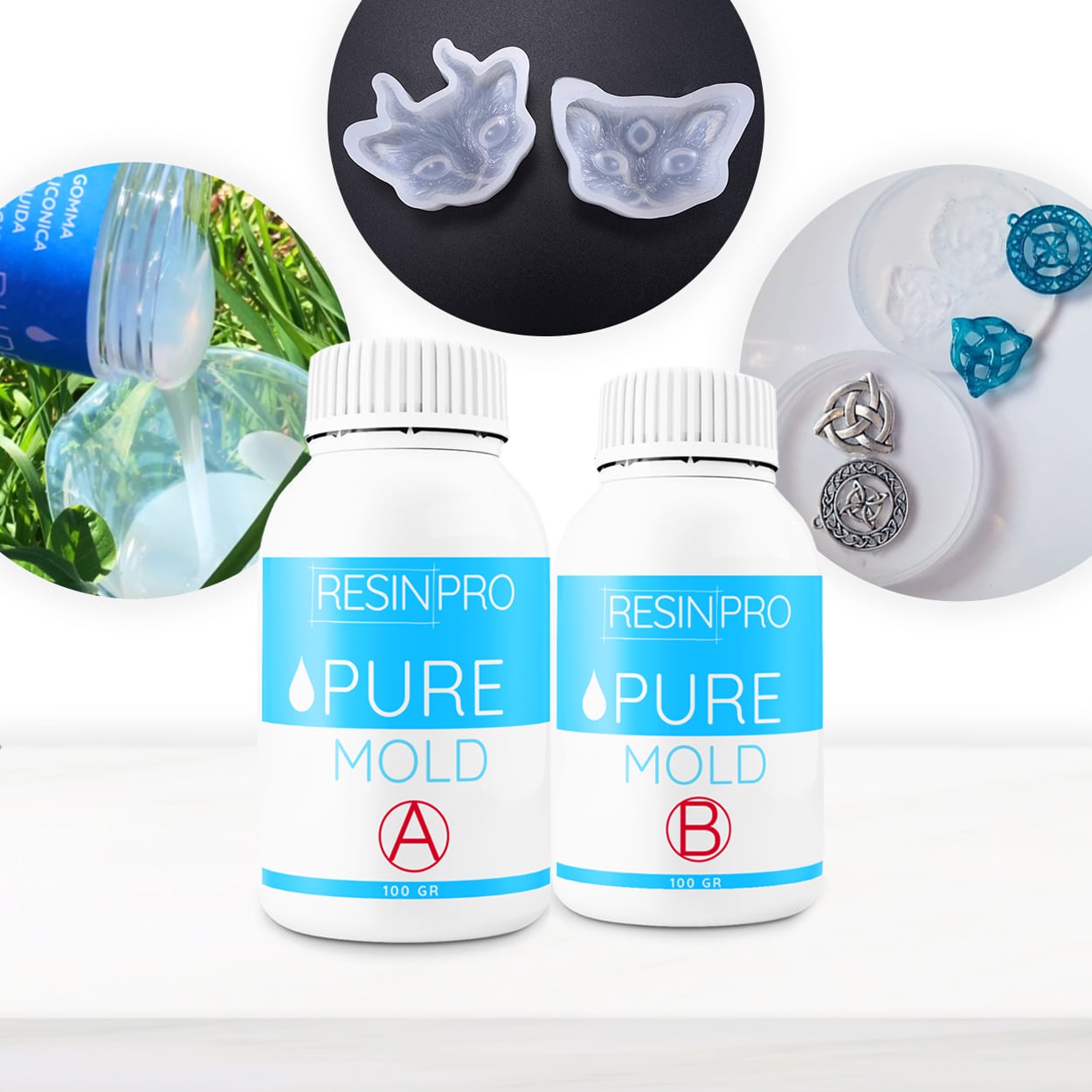
Waiting for a silicone rubber mould to cure can feel like a long process, especially when working on tight deadlines or multiple castings. Find out whether—and how—you can safely speed up the cure time without sacrificing the quality of your finished mould.
What Influences Silicone Rubber Cure Time?
The cure time for most phase silicone rubbers is determined by the product’s formula and ambient temperature. Many professional products, such as Pure Mould – Translucent Liquid Silicone Rubber, have a set working and curing window detailed in their instructions—often around 3–8 hours. Environmental factors, especially room temperature, can have a significant effect: warmth can accelerate curing, while cooler conditions extend it.
Tips for Safely Speeding Up Curing
- Increase Room Temperature Gradually: Raising the temperature in your workspace to a level near the product’s advised maximum can shorten curing. Aim for a moderate increase; do not expose moulds to direct heat sources or temperatures above product recommendations.
- Never Overheat: Excessive heat can cause defects like trapped bubbles, surface distortion, or loss of mould detail. Always follow the specific product guide for safe temperature ranges.
- Use Fast-Cure Formulations: If faster turnaround is vital, choose silicone rubbers formulated for speedy curing. ‘Pure Mould’ and other fast-catalysis silicones are designed to save time while still achieving reliable results.
When Fast Curing Matters
Faster curing can be essential for high-volume craft production, tight project deadlines, or when using rapid-setting casting materials. It’s particularly useful for makers creating multiple items daily, or when time is limited between project stages.
Related products
Related guides
Understanding how to safely speed up silicone rubber cure times helps streamline your mould-making workflow. For more in-depth guidance, explore our main page on making moulds with phase silicone rubbers.