 Free shipping on orders over £29,85
  Shipping Tracking!


 Google
 Facebook
← Back to How do you make a mould with phase silicone rubbers?
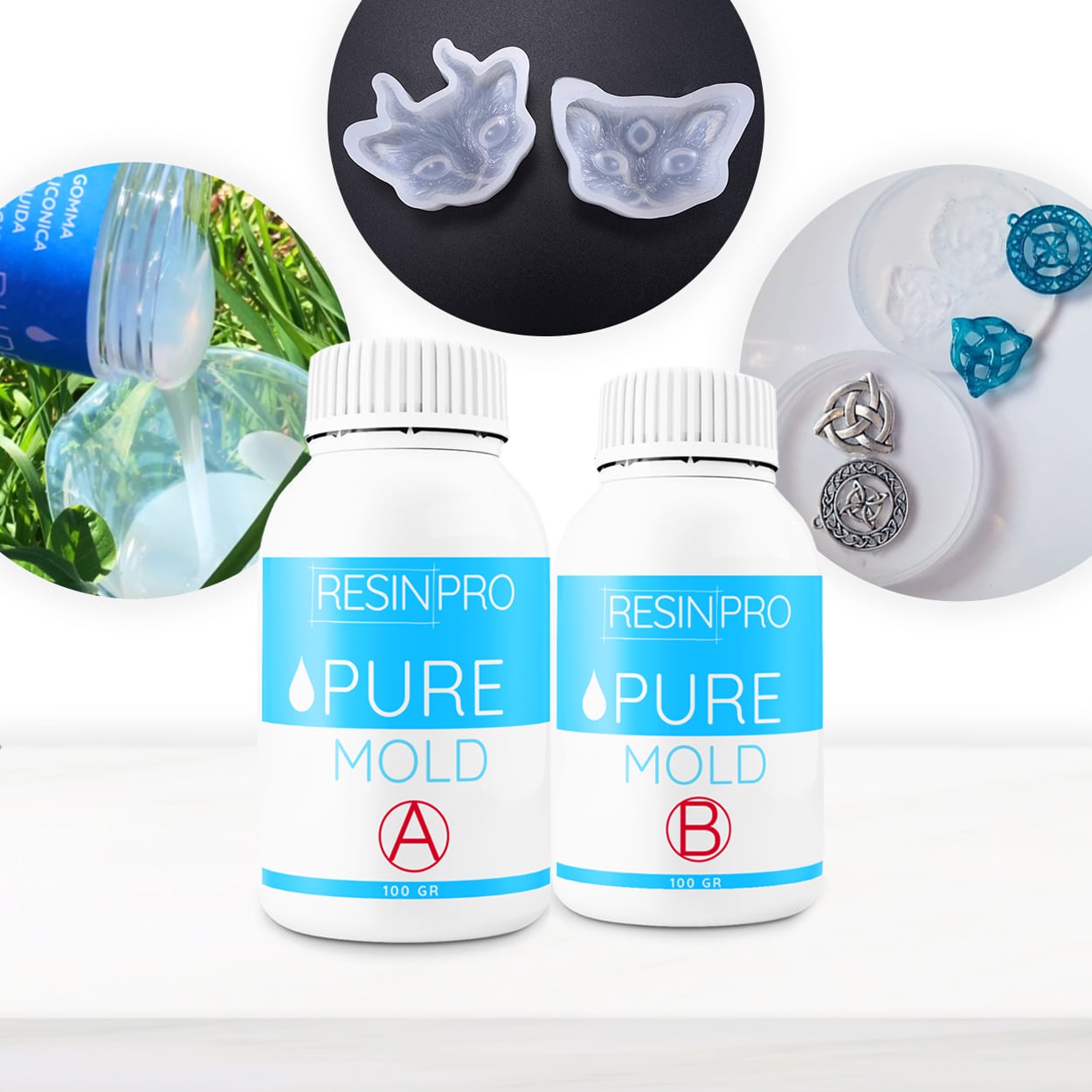
If you’re planning to create a silicone mould, preparing your original model is crucial. One common question is whether you should seal your model before pouring silicone rubber.
Why Sealing Matters
Sealing your model comes into play especially when working with porous materials such as wood, plaster, or unglazed ceramic. These surfaces can absorb the silicone, making removal tricky and risking damage to both the model and the freshly cured mould. A suitable sealant creates a barrier, preventing silicone from sticking or soaking into the item.
How to Seal Porous Models
To properly seal your model, use a dedicated sealer or a thin layer of shellac, varnish, or even a clear acrylic spray—just be sure it fully covers all surfaces and is allowed to dry before you pour silicone. For detailed models, pay attention to recesses and textured areas. After sealing, using a mould release agent provides further protection and makes demoulding much easier.
When using quality silicone rubbers like “Pure Mould” translucent silicone, these prep steps help capture detail cleanly without residue or fuss.
When This Step is Essential
- Wood, Plaster, or Stone Models: Always seal to reduce risk of silicone bonding.
- Models with Fine Detail: Sealing prevents trapped air and ensures crisp results.
- Multiple Casts Planned: Proper sealing extends the model’s lifespan across repeated use.
Related products
Related guides
Careful sealing lays the groundwork for a trouble-free moulding process, whether you’re using wood, plaster, or other porous materials. For more tips and a full guide to mould making with phase silicone rubbers, see our main page on making silicone moulds.