 Free shipping on orders over £29,85
  Shipping Tracking!


 Google
 Facebook
← Back to How to Make a Silicone Rubber and Plaster Mould?
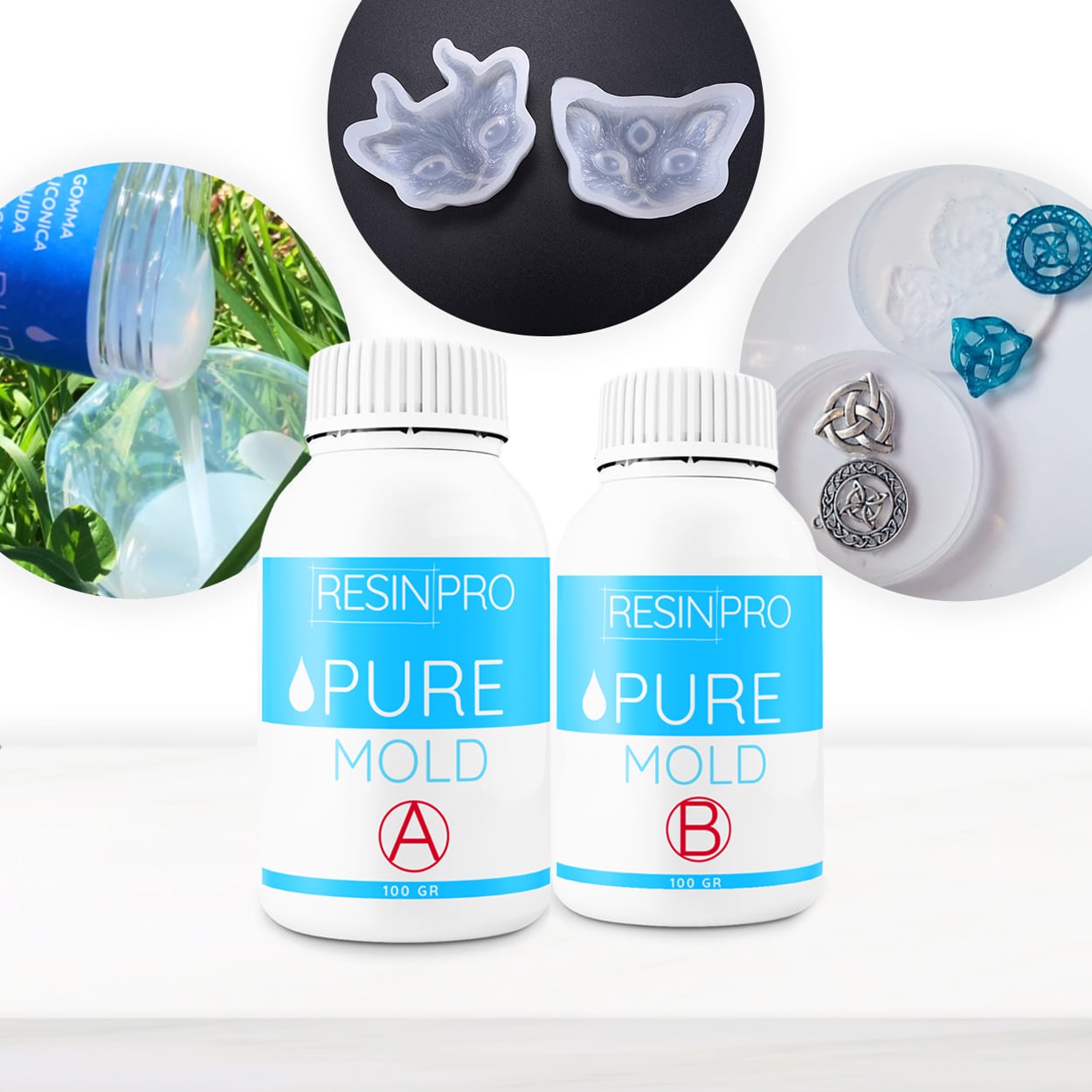
When making a silicone rubber and plaster mould, applying a suitable release agent can mean the difference between a perfect cast and a damaged mould or object. Let’s explore why they matter and how to select the right one.
Why Release Agents Are Essential
Release agents create a thin barrier between your mould and casting material, preventing them from sticking together. This protection ensures the clean separation of your cured piece from the mould, prolongs mould life, and helps capture fine details without tearing or residue.
Types of Release Agents for Mould Making
- Spray or Liquid Agents: Commonly used for both silicone and plaster moulds, suitable options include commercial silicone-based sprays or simple solutions like petroleum jelly thinned with a little water.
- PVA (Polyvinyl Alcohol): This water-based release agent is ideal when using plaster, providing a reliable film that can be easily washed away afterwards.
- Specialist Release Products: When using advanced casting materials—for example, with products like “Pure Mould” silicone rubber—it’s worth choosing release agents compatible with both silicone and resin, as specified by the manufacturer.
Applying Release Agents: Practical Tips
- Ensure your mould is dry and clean before application.
- Apply a thin, even layer; do not overuse, as excess can compromise detail.
- Reapply for each new casting, unless otherwise specified.
- Check that your chosen release agent is suitable for the materials you’re using, particularly if working with food-grade or highly detailed moulds.
When This Matters Most
A release agent is crucial if you want to reuse your mould many times, when working with intricate details, or if you are casting with resins or plasters that strongly adhere to surfaces. This step helps maintain both your mould’s physical integrity and the quality of your finished pieces.
Related products
Related guides
Thoughtful use of a suitable release agent sets the foundation for successful, stress-free mould making. For more on the full process, see our guide on how to make a silicone rubber and plaster mould.