 Free shipping on orders over £29,85
  Shipping Tracking!


 Google
 Facebook
← Back to How to make a mould with silicone rubbers?
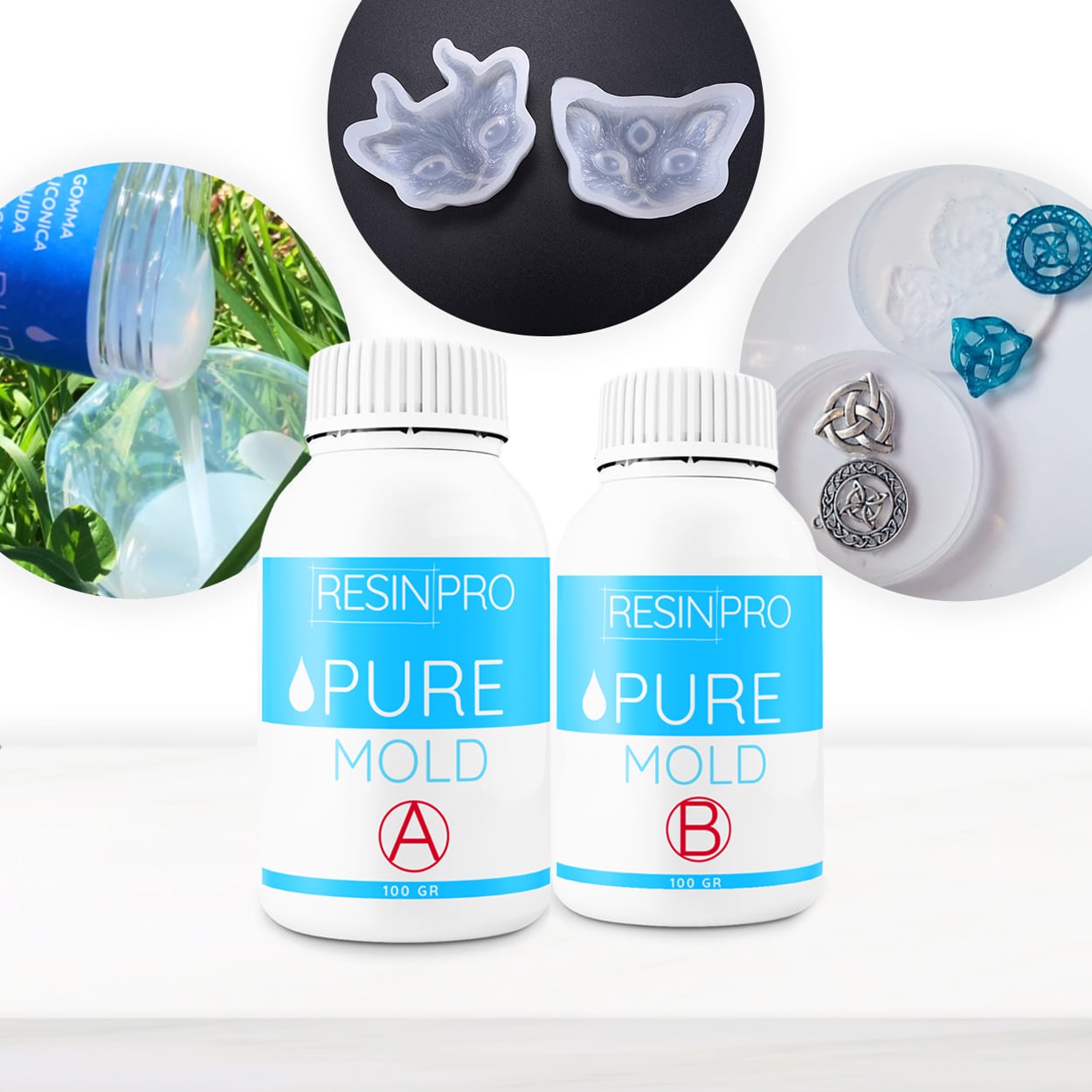
If you need to reproduce every tiny detail in your moulded projects, choosing the right silicone rubber is essential. Certain liquid silicones excel at capturing fine shapes, textures and undercuts, making them ideal for small, intricate forms.
Why Liquid Silicone Rubber Works Best
Liquid, bi-component silicones are specially formulated to flow into every crevice of your model, ensuring that even the most delicate textures are transferred perfectly. Products such as Pure Mould and Liquid Mould are widely recommended for small objects, jewellery, and detailed resin prints thanks to their excellent flow characteristics, translucency, and stable mechanical properties.
Choosing and Using Fine Detail Silicones
Look for silicones with an easy 1:1 mixing ratio, reasonable working time and high resistance once cured. A translucent rubber allows you to observe the moulding process, making adjustments if necessary. For the best results, ensure your original is free of dust and apply the mixed silicone slowly to minimise air bubbles. Allow for the recommended cure time (typically from 3 up to 12 hours, depending on the product).
- Select a silicone formulated for detailed reproduction (like Pure Mould or Liquid Mould)
- Mix as directed, paying attention to ratios
- Pour carefully, allowing the material to fill all features
When Fine Detail Matters
High-detail silicones are particularly useful for professional-quality models, jewellery, small sculpture, and prototype parts—anywhere surface texture, complex undercuts or sharp lines are important. They are also suitable for use with various casting materials including resin, plaster, wax, and polymer pastes.
Related products
Related guides
For anyone making intricate moulds, selecting the right silicone rubber ensures your finished casting is true to the original—an essential step in expert mould making. For a full guide, see our page on how to make a mould with silicone rubbers.