 Free shipping on orders over £29,85
  Shipping Tracking!


 Google
 Facebook
← Back to How to make a resin mould?
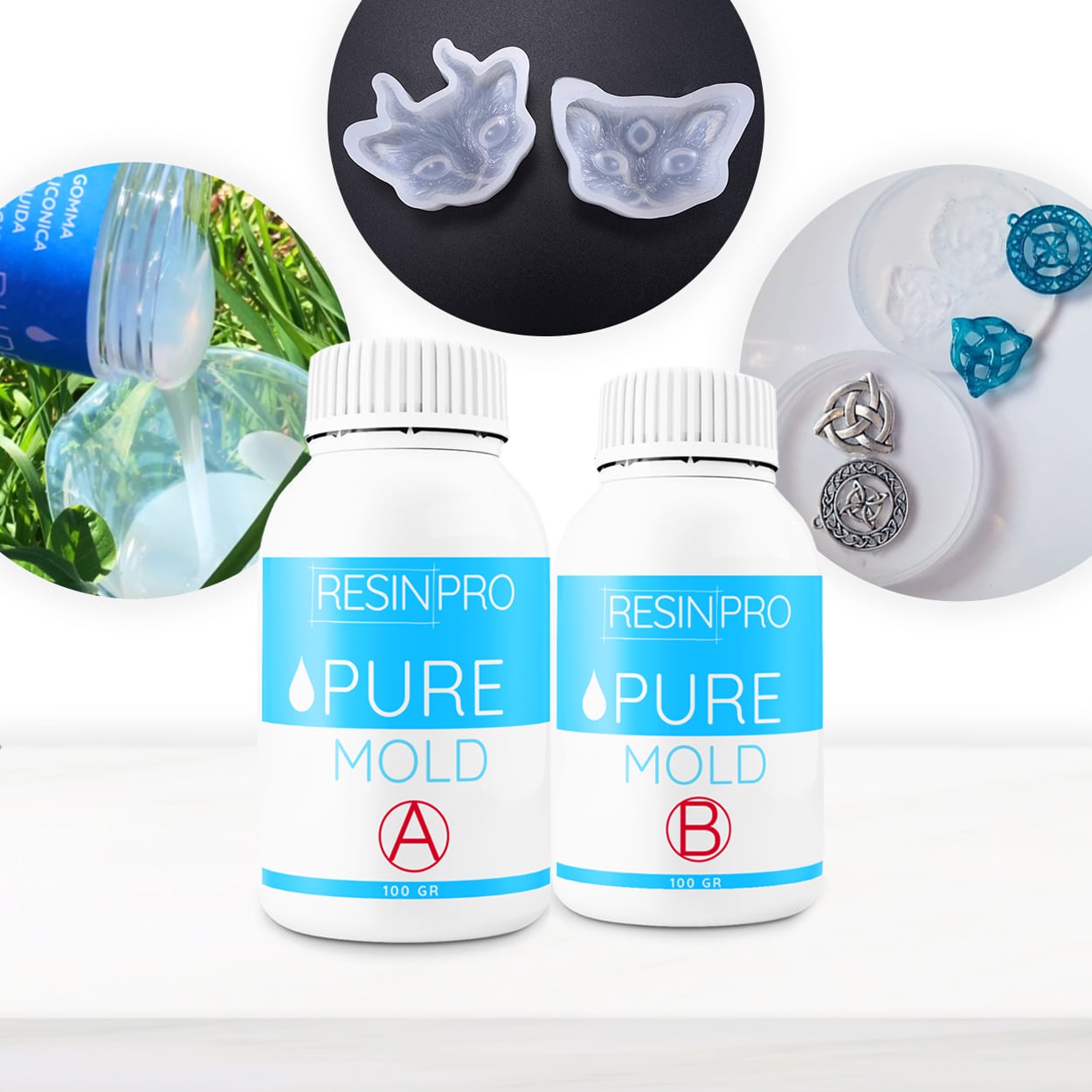
Making your own resin moulds at home is not only possible, but it’s also a rewarding and creative process. With basic materials and a bit of patience, beginners can achieve excellent results for both artistic and practical projects.
Essential Materials and Workspace Tips
Before you begin, set up a clean, well-ventilated workspace protected with a silicone mat or disposable covering. Basic supplies include a casting box or container, your chosen model (the item you want to replicate), and a quality mould-making material. For most home crafters, a two-part silicone such as “Pure Mould” – Translucent Liquid Silicone Rubber for Mould Making is ideal thanks to its user-friendly 1:1 mix ratio and suitability for resin, plaster, or cement.
Simple Steps to Create Your Mould
- Prepare your model: Ensure the item is clean, dry, and free from dust. Attach it securely inside your container.
- Mix and pour: Following manufacturer guidelines, combine your silicone mixture thoroughly, then pour slowly over your model, ensuring all details are covered. Knock or tap the container gently to release air bubbles.
- Curing: Allow the silicone to set—”Pure Mould” cures in roughly 3–8 hours. Once solid, gently demould to reveal a reusable, flexible mould.
Practical Tips for Beginners
Work patiently and avoid rushing pouring and mixing steps, as careful preparation is crucial for well-detailed results. Silicone moulds like the Silicone Hexagons Mould or Geode Coaster Mould offer ready-made options if you want to skip the model-making stage and jump directly into resin projects. Clean moulds gently with mild soap and water, avoiding aggressive solvents.
Related products
Related guides
Whether you’re designing a custom piece or using pre-made silicone moulds, making resin moulds at home opens the door to endless creative opportunities. Explore more tips on successful mould making in our main resin mould guide.