 Free shipping on orders over £29,85
  Shipping Tracking!


 Google
 Facebook
How to make a resin mould?
Step-by-step guide for detailed and creative resin casting
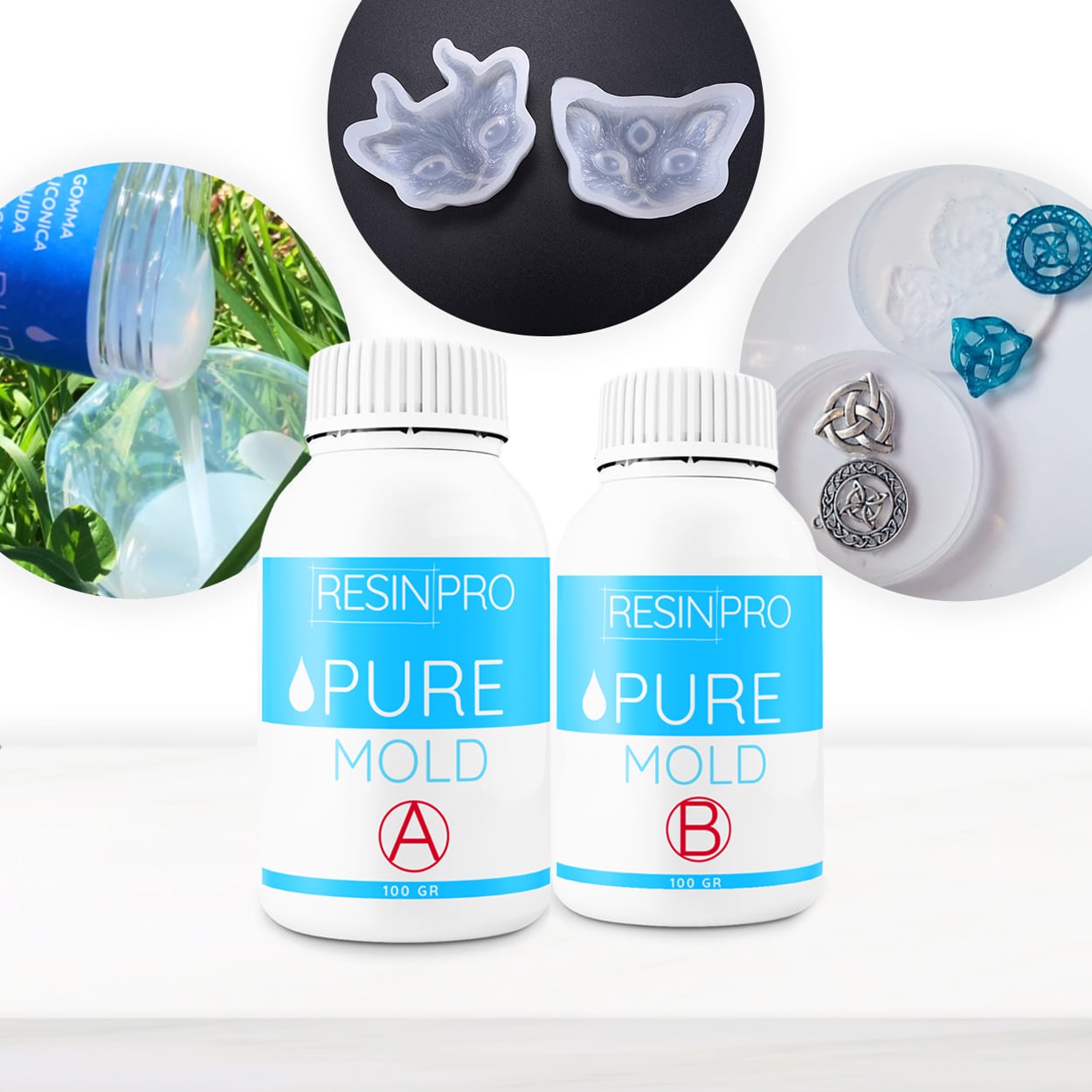
Making your own resin mould is a satisfying way to unlock endless creative possibilities for crafting, model-making, and decorative projects. Whether you want to capture intricate designs or simply replicate favourite items, this guide will walk you through the entire process, ensuring great results every time.
What You’ll Need
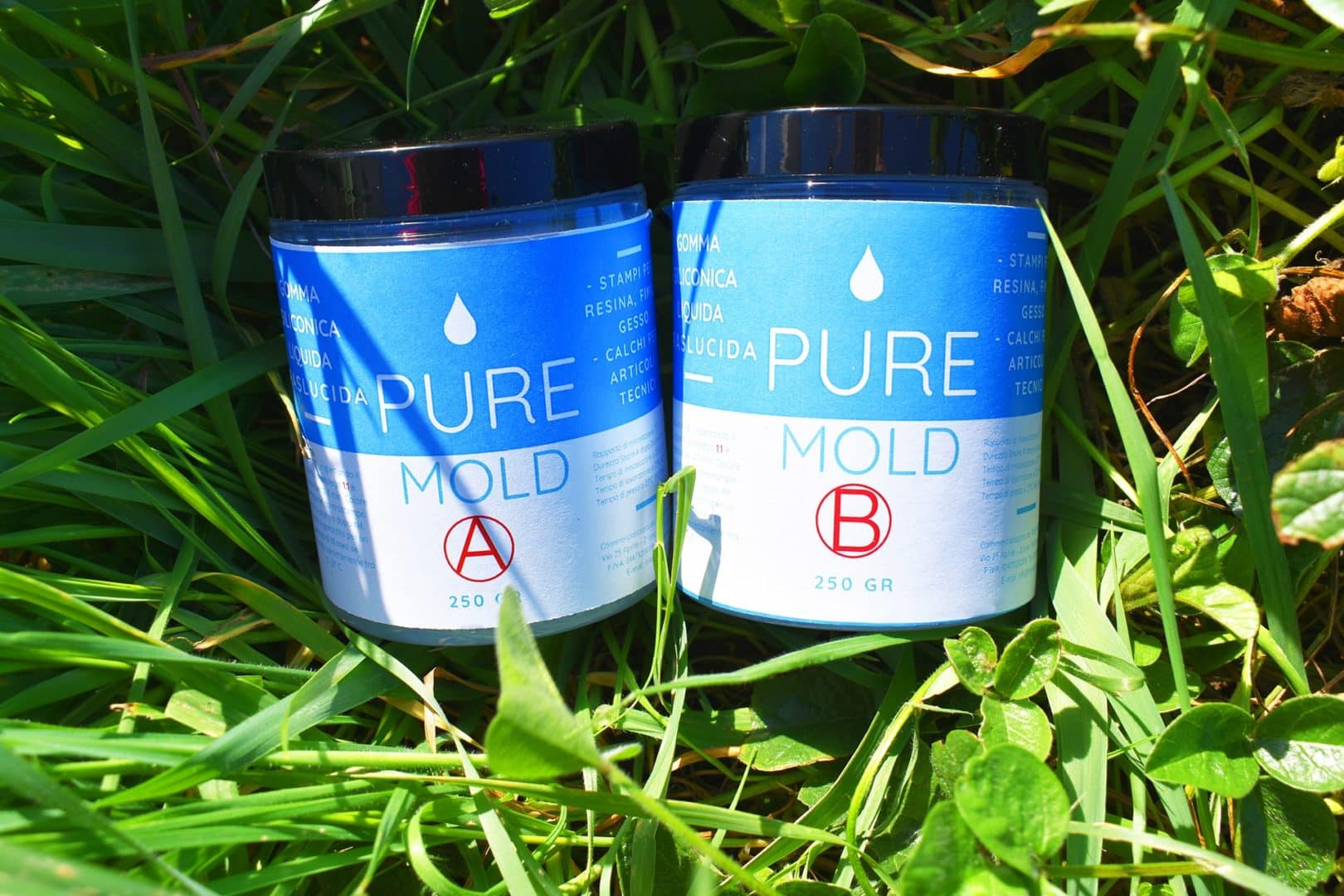
- “Pure Mould” – Translucent Liquid Silicone Rubber for Mould Making: A versatile silicone rubber ideal for detailed, reusable moulds compatible with resins, plaster, and more.
- Original object or model you wish to replicate
- Mould box or container (plastic, cardboard, or custom-built)
- Mixing cups, spatulas, gloves, and a clean work surface
- Release agent (optional, for complicated objects)
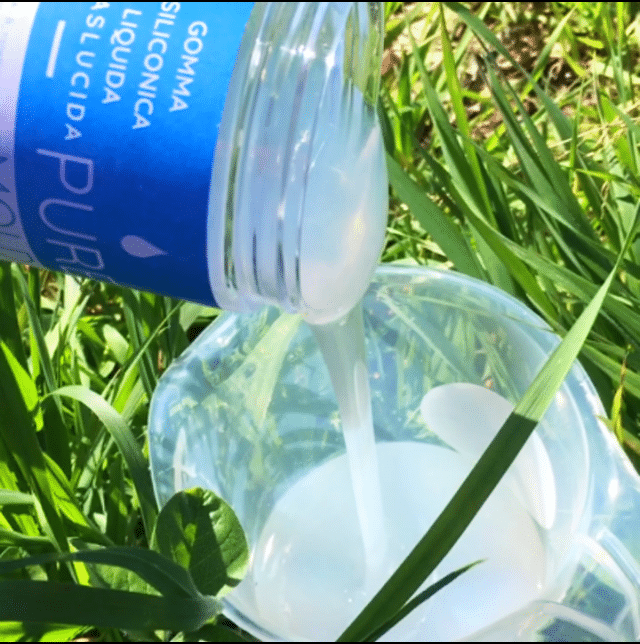
Close-up of Silicone Mould Pouring
Visualise the clarity and consistency of a freshly mixed silicone as it pours smoothly into a mould box over an intricate object. A seamless pour helps ensure fewer air bubbles and sharp detail replication, especially when using a translucent silicone rubber.
Step 1: Prepare Your Model and Workspace
Begin by thoroughly cleaning your original object or model, ensuring it is dry and free from dust or oily residues. Position the item in the mould box, leaving enough room for the silicone to surround it on all sides. Seal any joins or gaps in the mould box with tape or putty to prevent leaks during pouring.
For objects with undercuts or intricate details, you may want to lightly coat them with a release agent to help with demoulding later. Make sure your entire workspace, tools, and silicone components are at room temperature for optimal results.
Step 2: Mix and Pour the Silicone Rubber
Carefully read the instructions for your silicone rubber. With “Pure Mould” – Translucent Liquid Silicone Rubber for Mould Making, use the straightforward 1:1 mixing ratio. Wear gloves and measure equal parts of both components into your mixing cup.
Mix components thoroughly but gently to avoid introducing excess air bubbles. Once fully combined, pour the silicone mixture slowly into one corner of the mould box. Allow the silicone to rise and flow, which helps push trapped air upwards.
If you spot bubbles on the surface, lightly tap the sides of the container or use a fine tool to release them. Cover the filled mould and leave it to cure undisturbed. Curing generally takes between 3–8 hours, but check the product instructions for precise times.
Step 3: Demould and Inspect Your Silicone Mould
When the silicone rubber has cured, carefully remove the mould box. Gently separate the silicone from the object, taking care not to tear any delicate mould features. Flexible silicone should release easily, but proceed with patience, especially for complex designs.
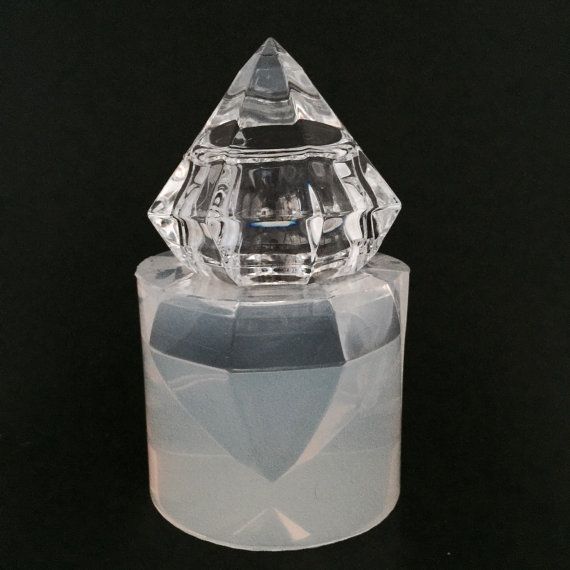
Check your finished mould for trapped air pockets or surface punctures. Well-mixed and bubble-free silicone will create a detailed reverse of your original model, ready to use for resin casting, plasters, or other materials.
Step 4: Care and Use of Your Resin Mould
Before using your new silicone mould for resin casting, clean it gently to remove any residue. If storing, ensure it is dry and kept away from sharp objects. Allow sufficient curing time for any fresh resin casts to avoid deforming your mould with premature demoulding.
Avoid using harsh chemicals for cleaning. Instead, wash with mild soap and water after each use to maintain the mould’s flexibility and non-stick properties. Handle with care when demoulding resin objects, especially for intricate or thin-walled pieces, to extend your mould’s lifespan.
Tips, Common Mistakes, and Troubleshooting
Remove bubbles before curing by mixing slowly and pouring from a height. If you encounter sticky or tacky areas, double-check your component ratios and mixing process next time. Avoid using aggressive solvents, as these can degrade the silicone’s surface and reduce your mould’s working life.
If your mould tears during removal, reinforce thin areas in future pours with extra silicone or adjust the mould box for thicker walls. For maximum detail and longevity, always use quality materials and follow safety and curing times meticulously.
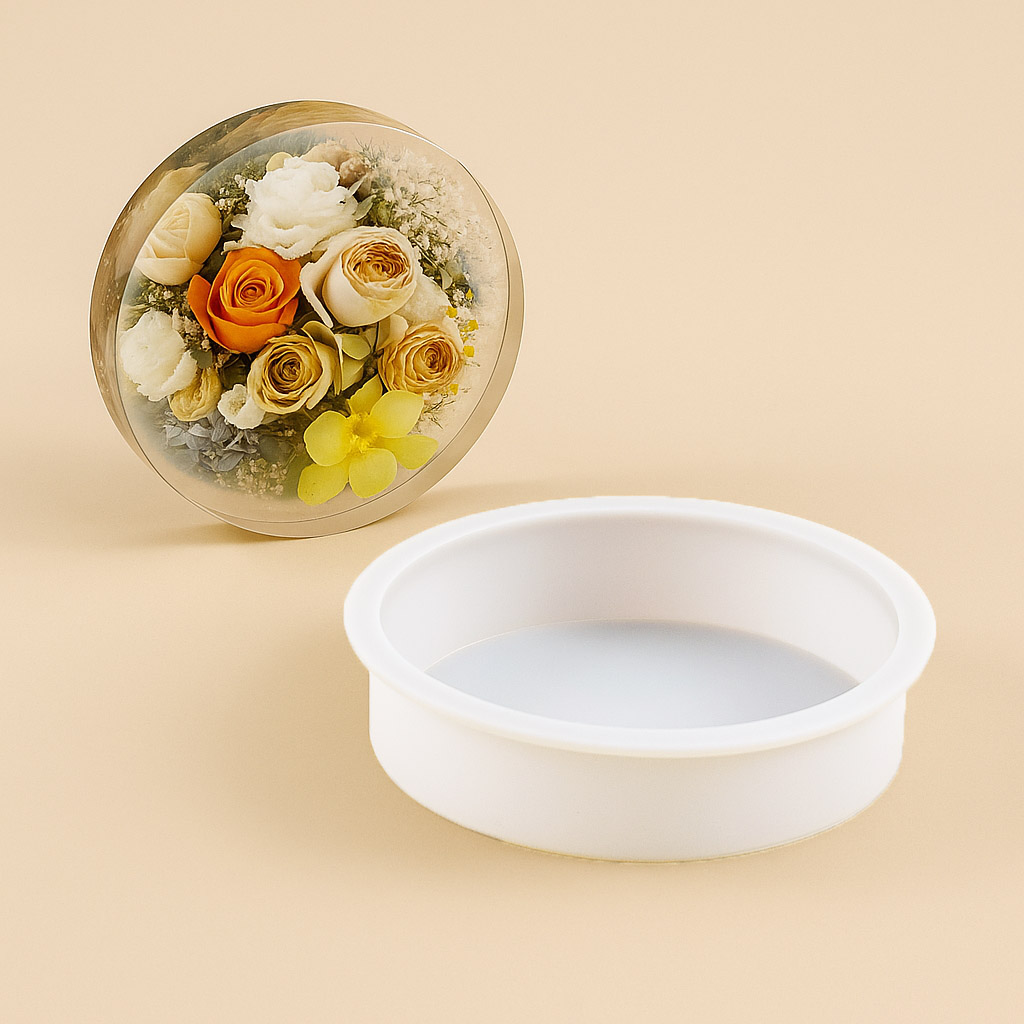
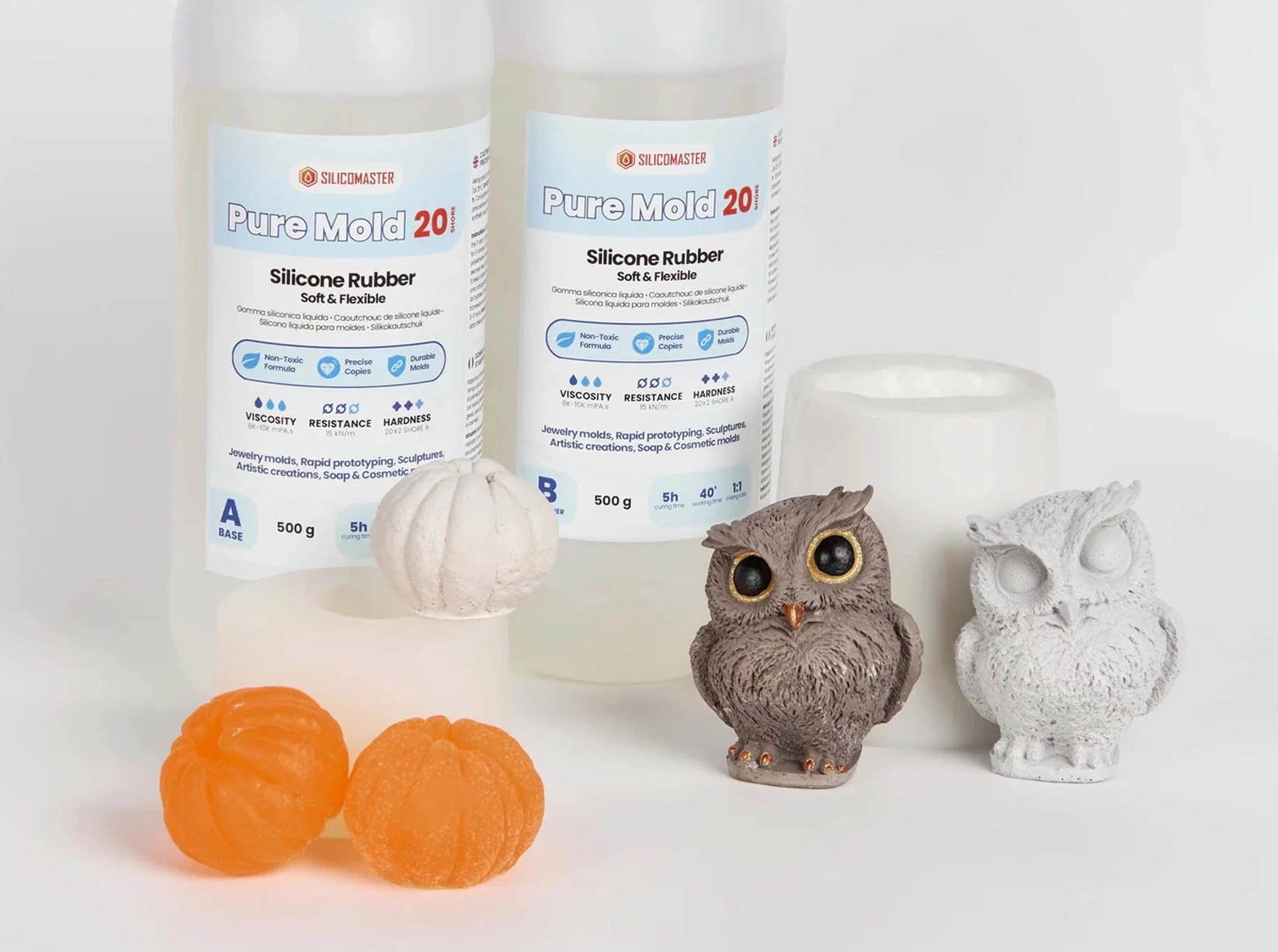
Finished Resin Mould and Demoulded Cast
Showcase a newly cured silicone mould alongside a resin object cast from it. A clean, detailed finish proves the value of careful preparation and proper demoulding techniques for hobbyists and professionals alike.

- "Pure Mould" – Translucent Liquid Silicone Rubber for Mould MakingPrice range: £22.85 through £158.85"Pure Mould" is a suitable translucent liquid silicone rubber for mould making, compatible with resins and plasters.
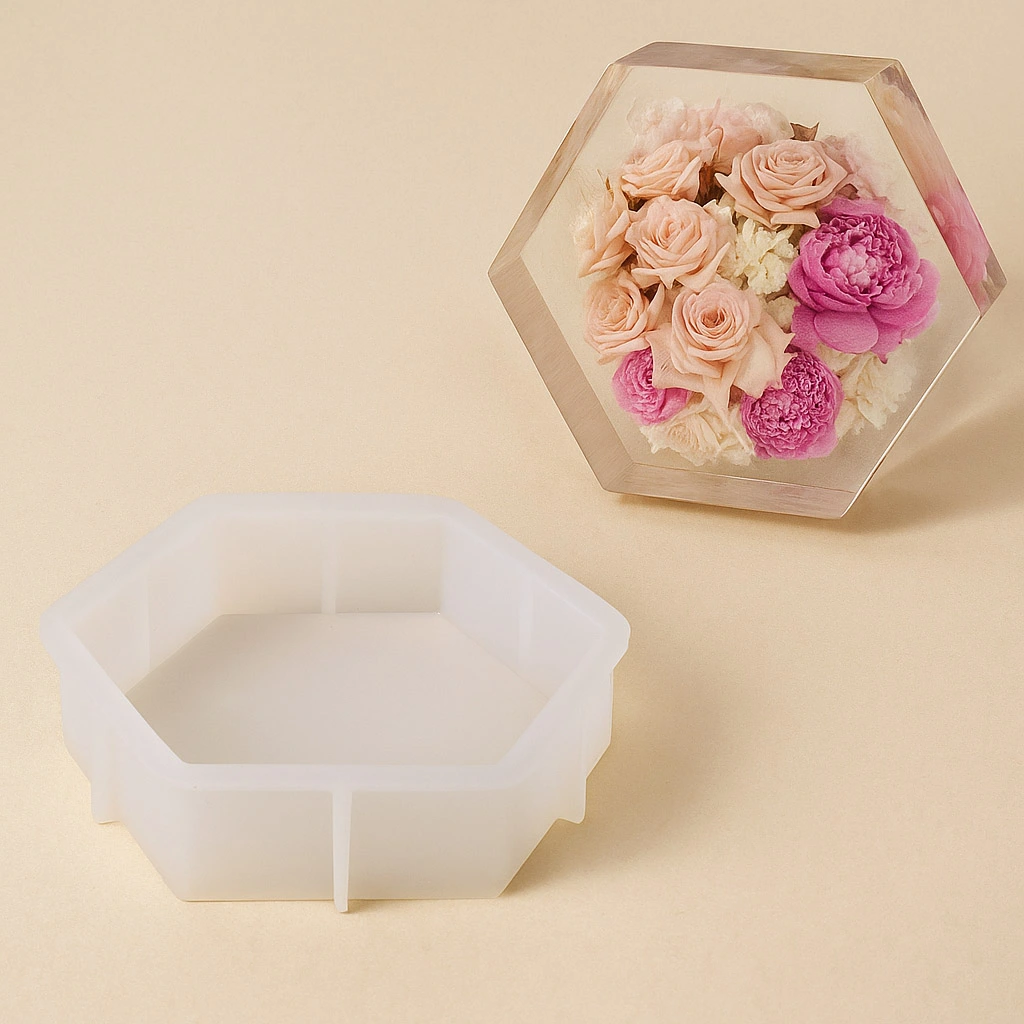 "Silicone Hexagons Mould" – For Creating with Epoxy Resin – 24x21cm£12.85Flexible silicone mould designed for creating decorative objects and artistic resin pieces.
- "Silicone Circle Mould" – For Creating with Epoxy Resin, Ø 20cm£12.85Flexible and reusable silicone mould suitable for creating decorative epoxy resin objects including coasters and other artistic pieces.
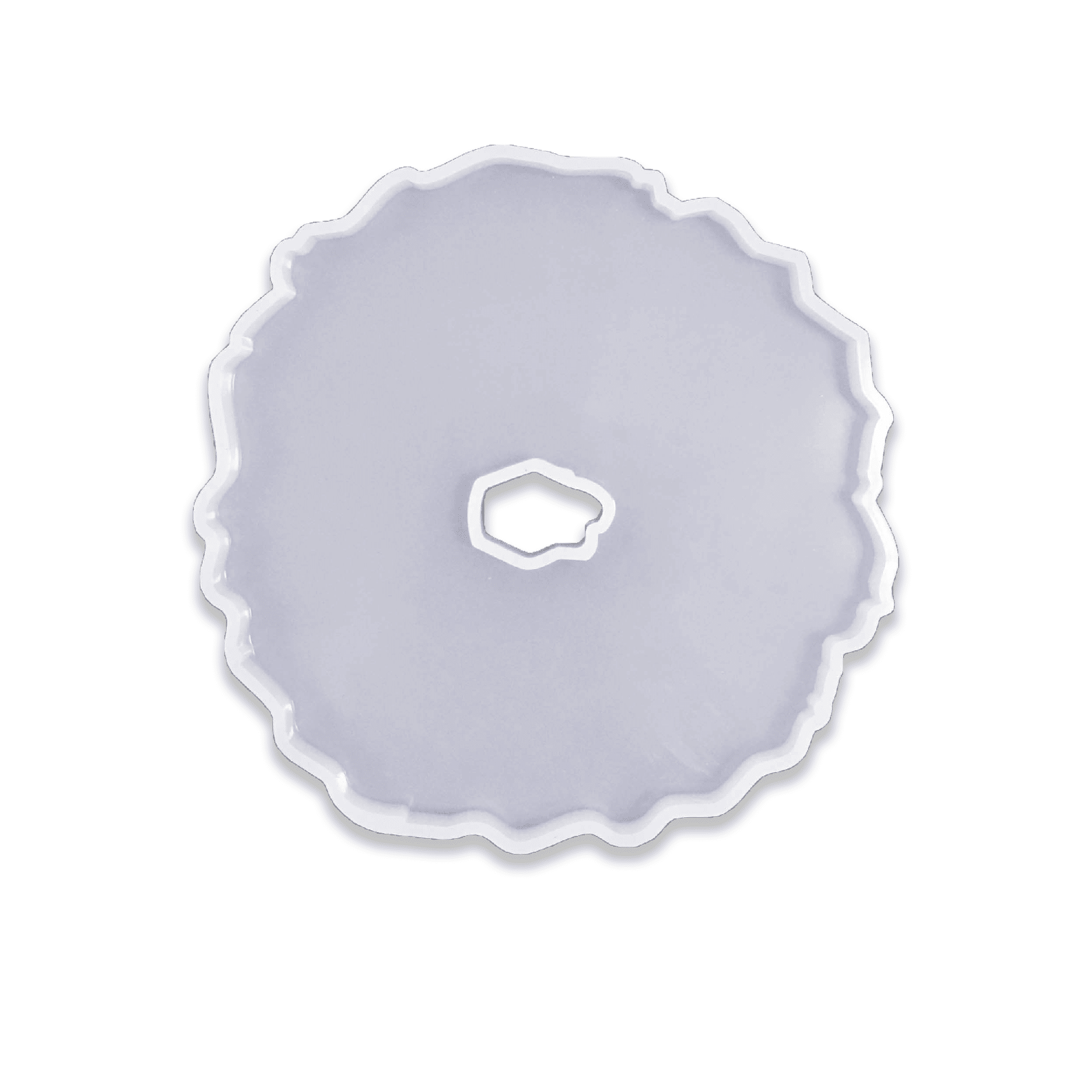 "O" – Geode Coaster Silicone Mould – 13cm£5.00"O" – Geode Coaster Silicone Mould – 13cm is designed for crafts and has a smooth interior for making flat coasters.
Frequently Asked Questions
Can you make a resin mould at home?
Yes, with the right materials and a proper workspace, making resin moulds at home is straightforward and accessible to beginners.
How long does silicone take to cure in a resin mould?
Most liquid silicones cure within 3–8 hours depending on the brand and ambient conditions. Always check your product’s instructions for best results.
What is the best silicone for resin mould making?
Platinum-based translucent silicone rubbers offer superb detail reproduction and durability, making them ideal for hobby and professional use.
How do you prevent bubbles in resin mould making?
Mix your silicone slowly, pour in a thin stream from one corner, and tap or shake the mould box gently to bring bubbles to the surface.
Can I use a plastic box as a mould container?
Yes, as long as it is smooth, sealed, and does not react with the silicone, a plastic box works well as a mould frame or container.
How do I care for my silicone resin mould?
Clean it with mild soap and water, avoid sharp tools, and store dry and flat for best longevity. Do not use aggressive solvents to clean your mould.